
Small group tour with a curated private / bespoke itinerary of Spain – organized by Wine Tourism Spain – Spain Small Group Tours
Granada is a city in Andalusia, in the foothills of the Sierra Nevada mountains, at the confluence of four rivers, the Darro, the Genil, the Monachil and the Beiro. It is located 262 miles south of Madrid, and 126 miles east of Cordoba.
On our 2nd morning in Cordoba, we set off on a day trip to Granada. Caught the morning IRYO train from Cordoba train station which took approximately 90mins. Again, it was a pleasant ride.
For me Granada was one of the most charming and enchanting cities in Spain.
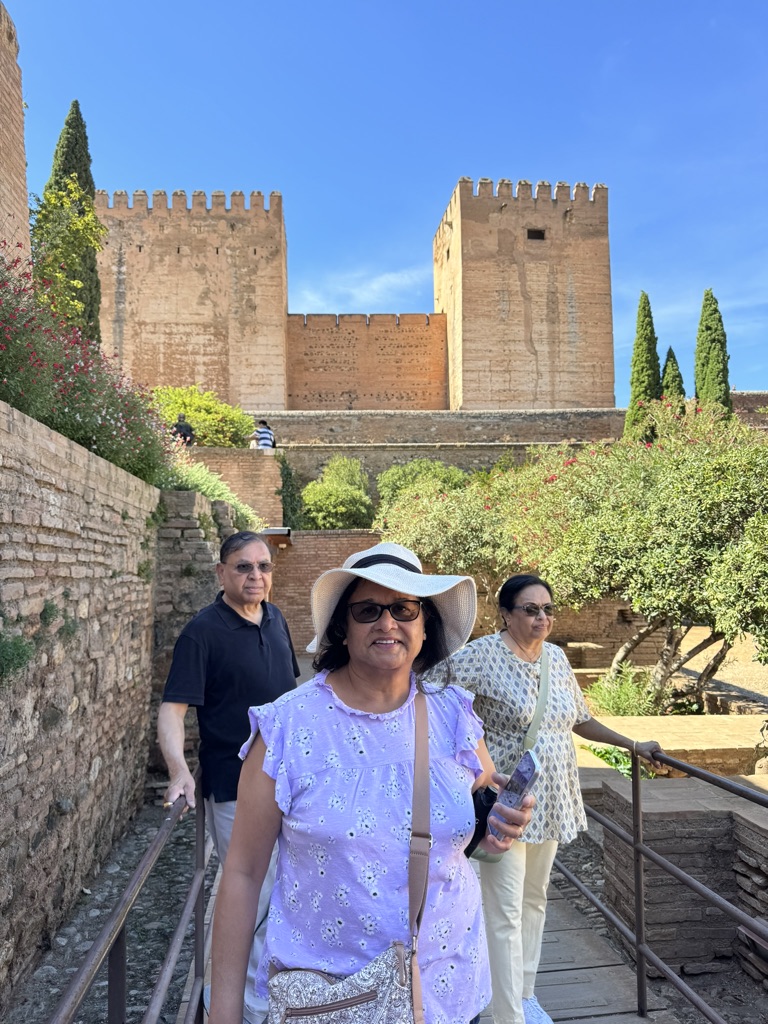
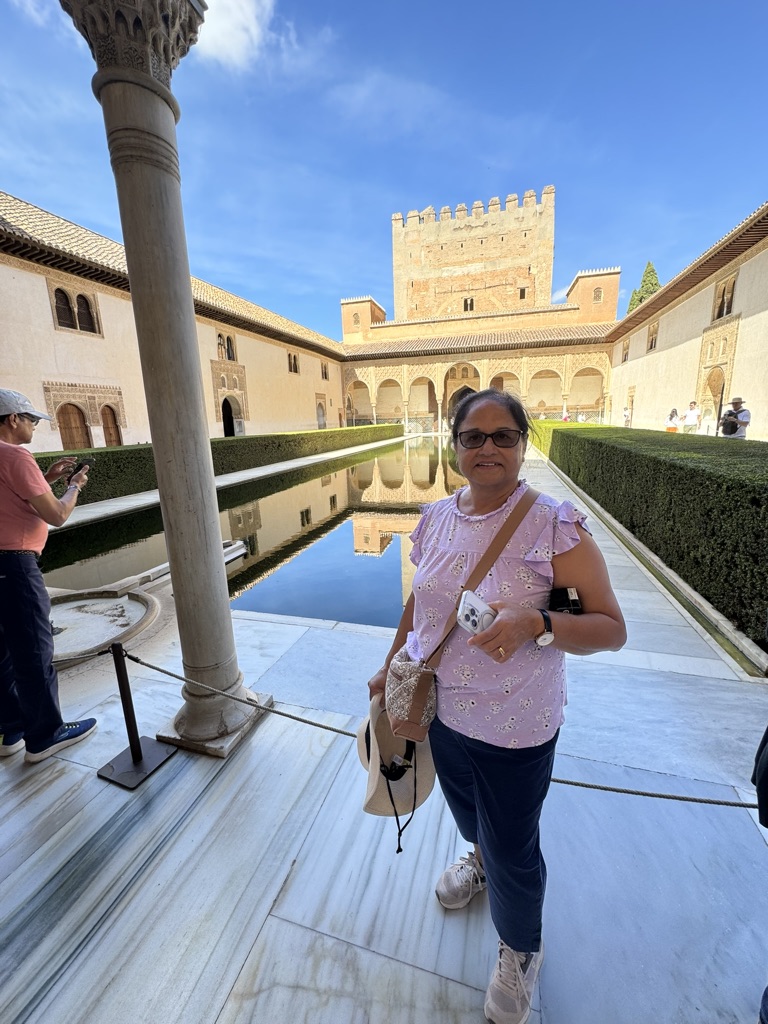
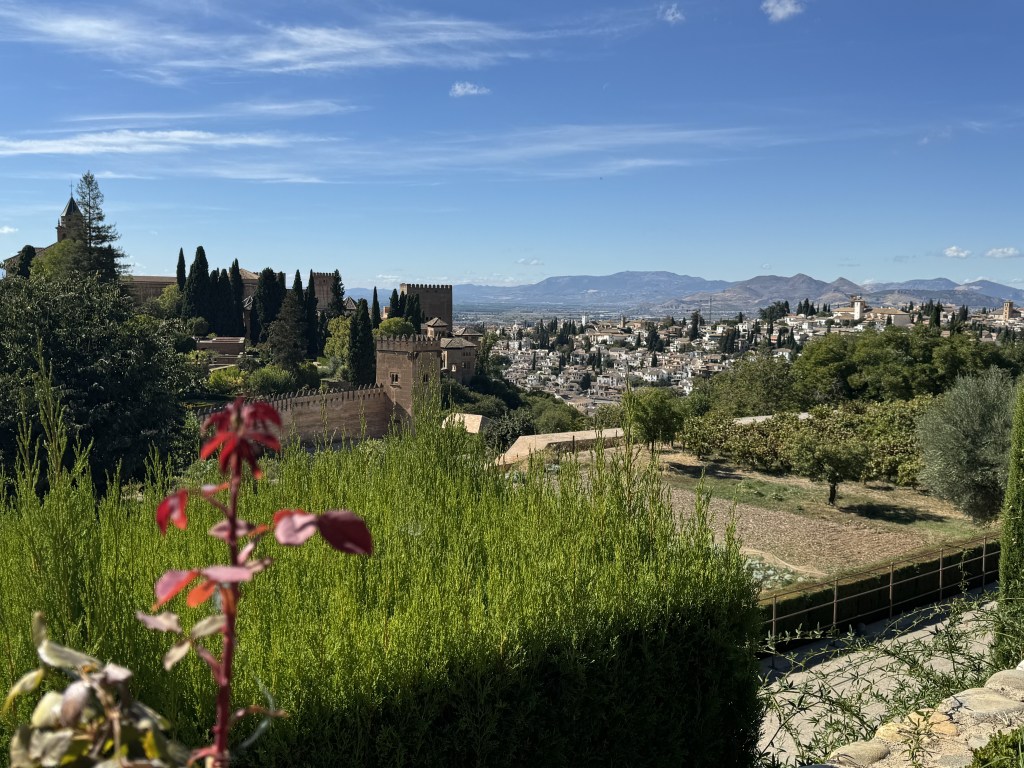
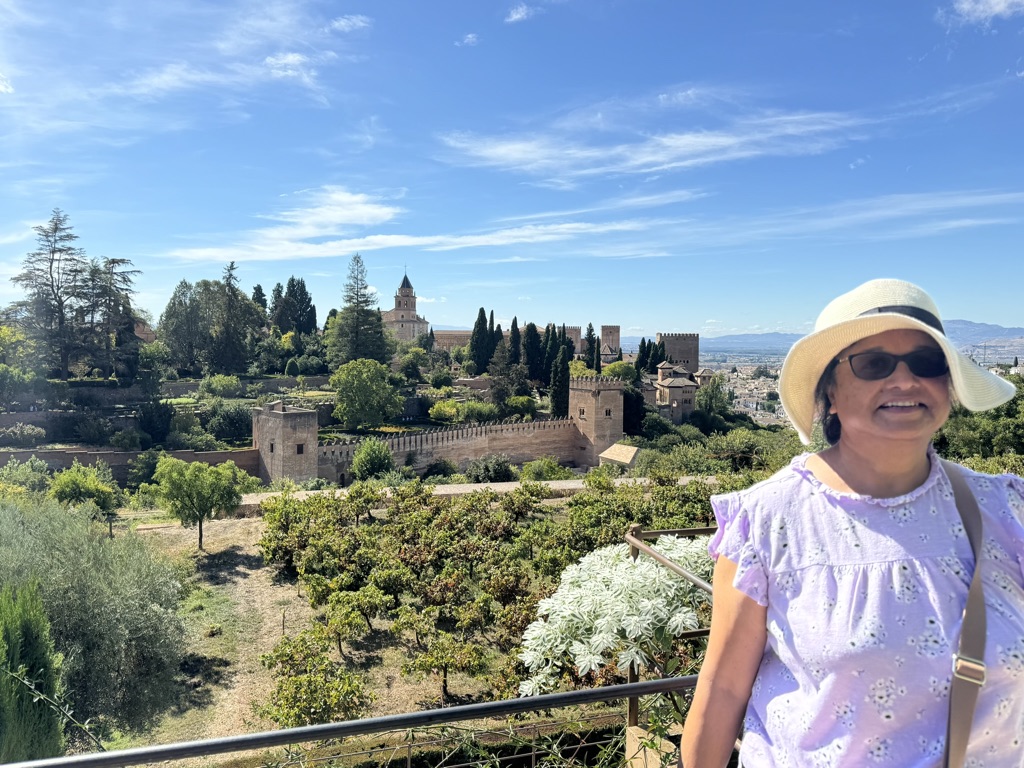
The crown jewel of the Nasrid period, it’s architectural jewel par excellence: The Alhambra. It is considered by many to be the eighth wonder of the world.
Three different impressions of Granada throughout time:
- Al-Suqundi, 13th century: “Granada is the Damascus of Al-Andalus, a pasture for the eyes, an elevation of the soul. It has an in-expugnable castle of tall walls and magnificent buildings. It stands out for the singularity of its river, which disseminates through its houses, baths, Moorish markets, internal and external mills and gardens”.
- Víctor Hugo, 19th century: “Be it near or far, Spanish or Arabic, There is not one single city, Which dare dispute, With Granada, the beautiful, The prize of beauty, Nor any that show, With more enchantment or jollity, Brighter eastern sparkles, Under a more serene sky”.
- Pedro Antonio de Alarcón, 19th century: “Who has not heard of and admired Granada without even visiting it?”.
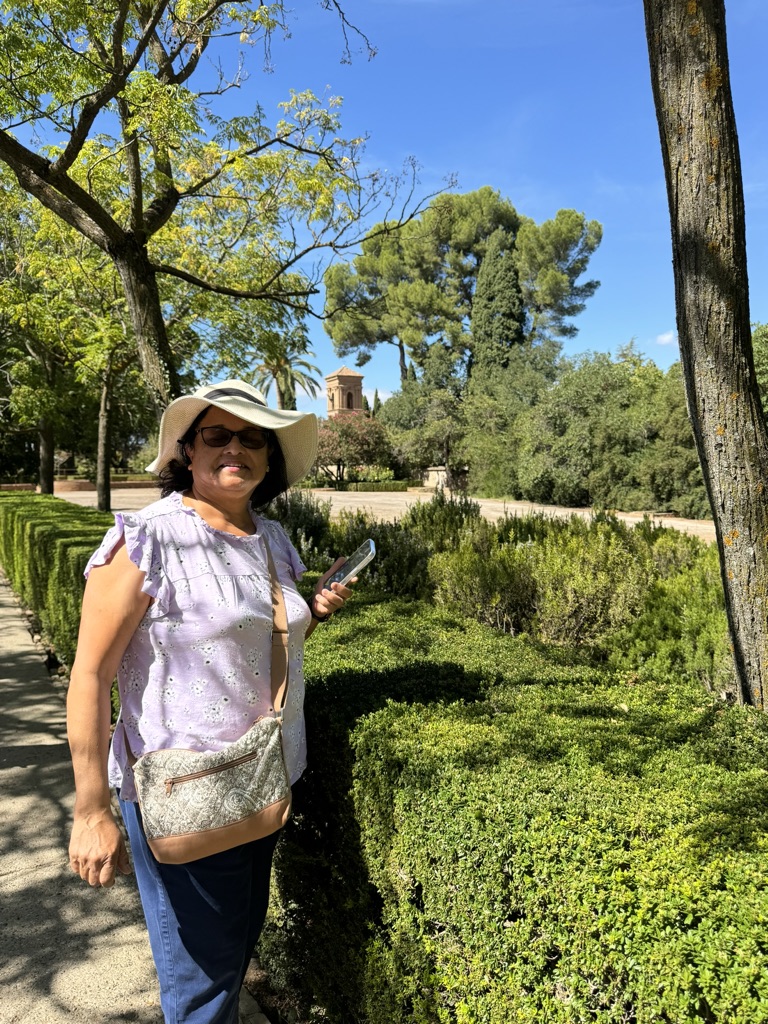
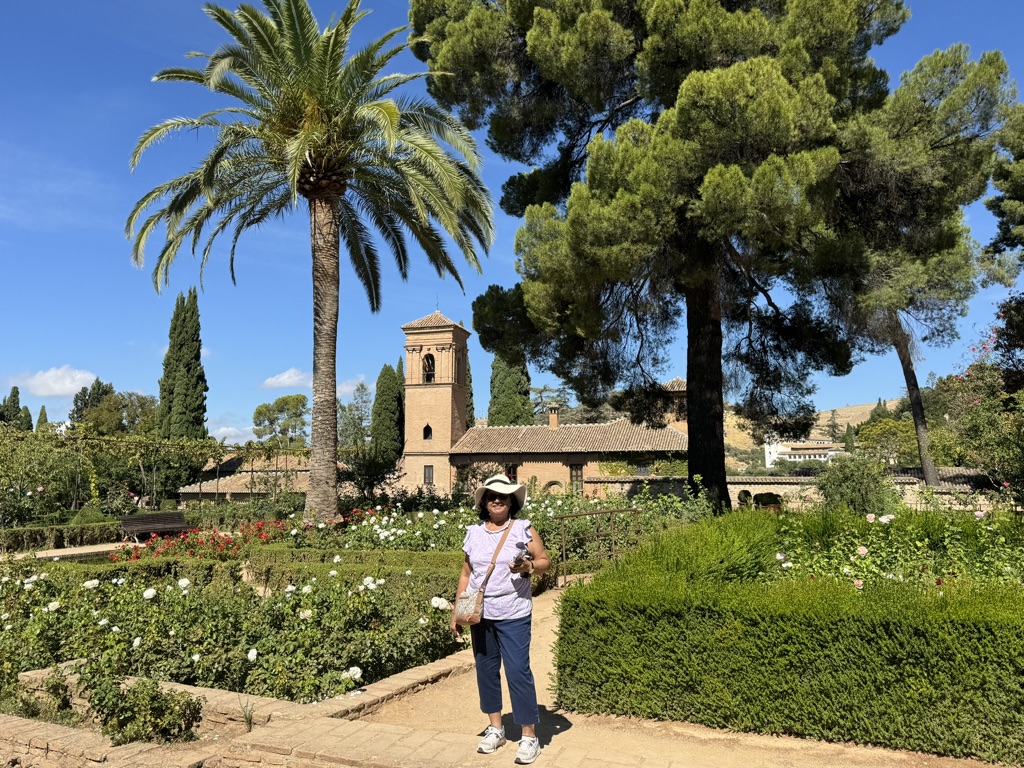
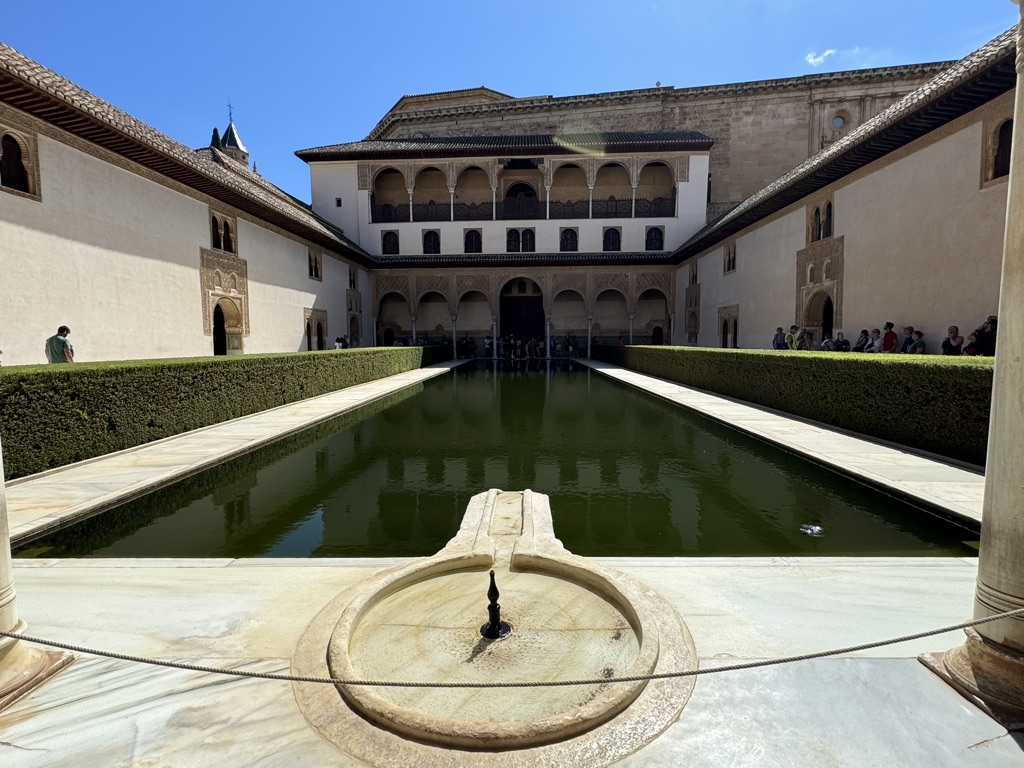
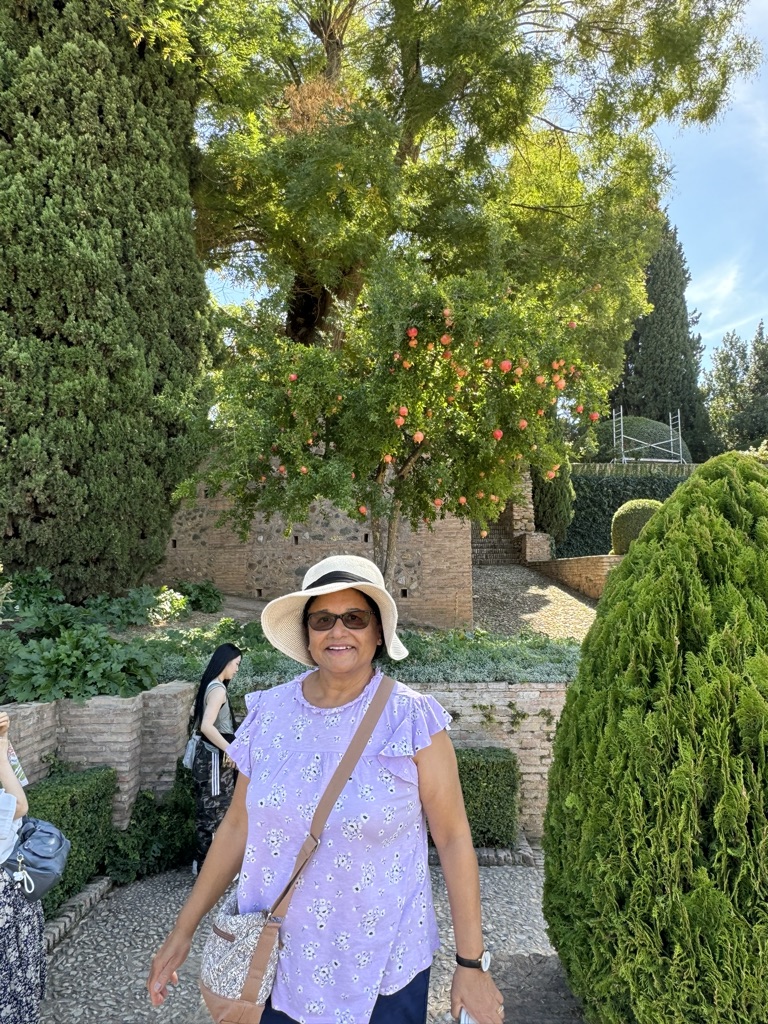
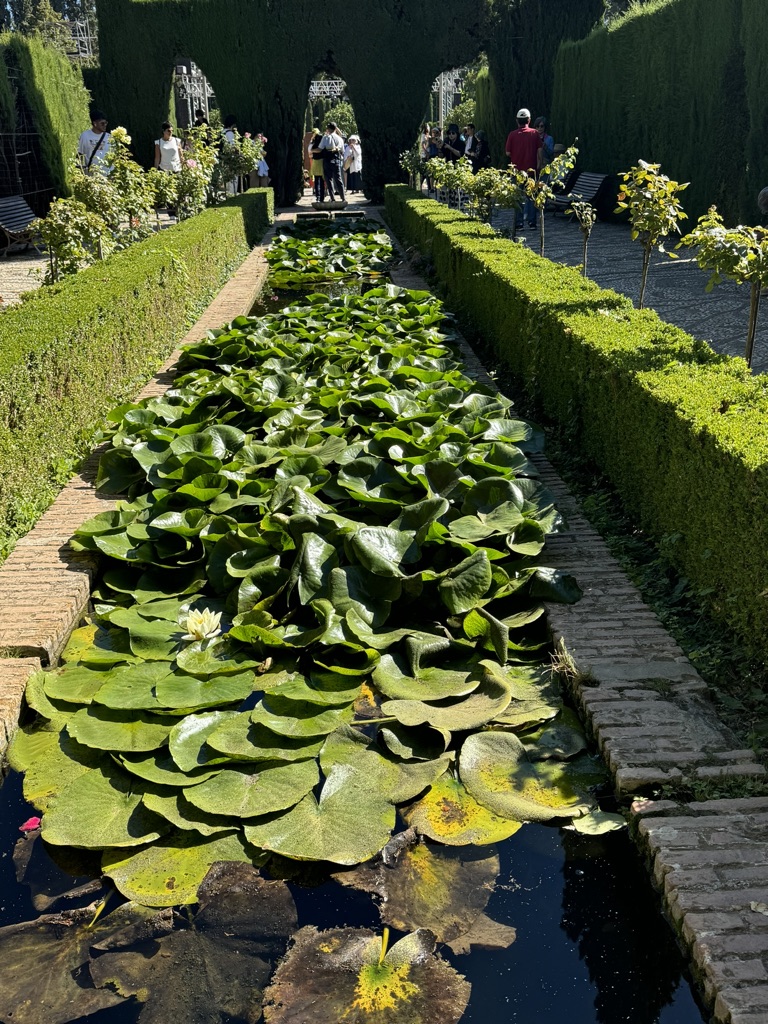
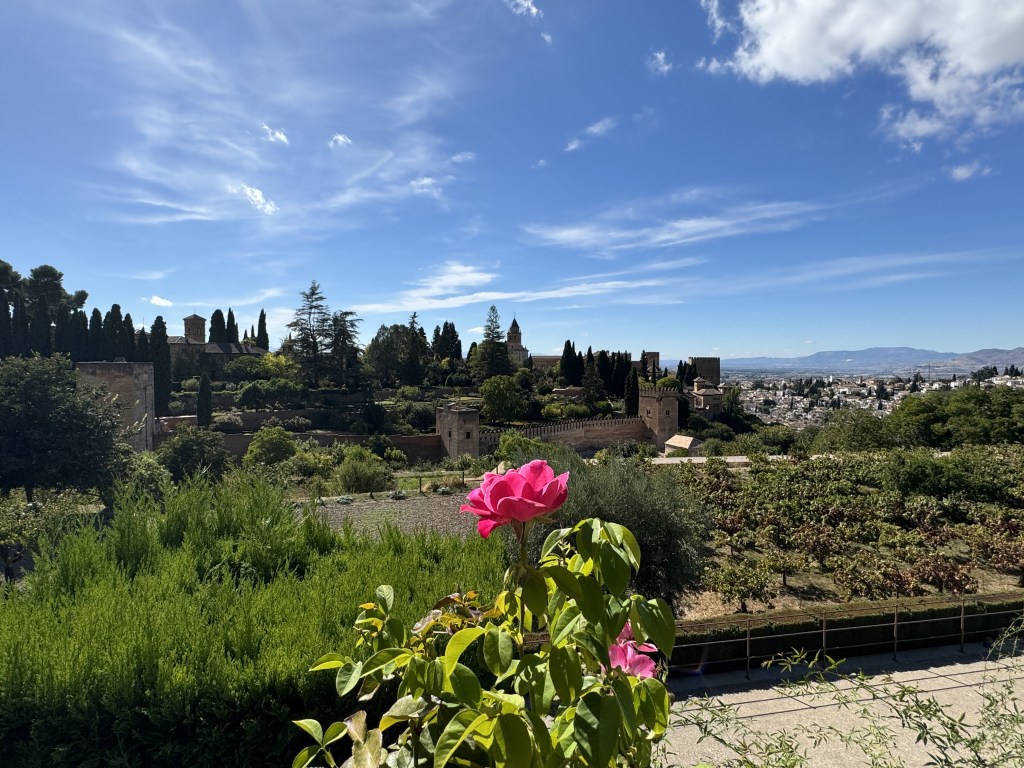
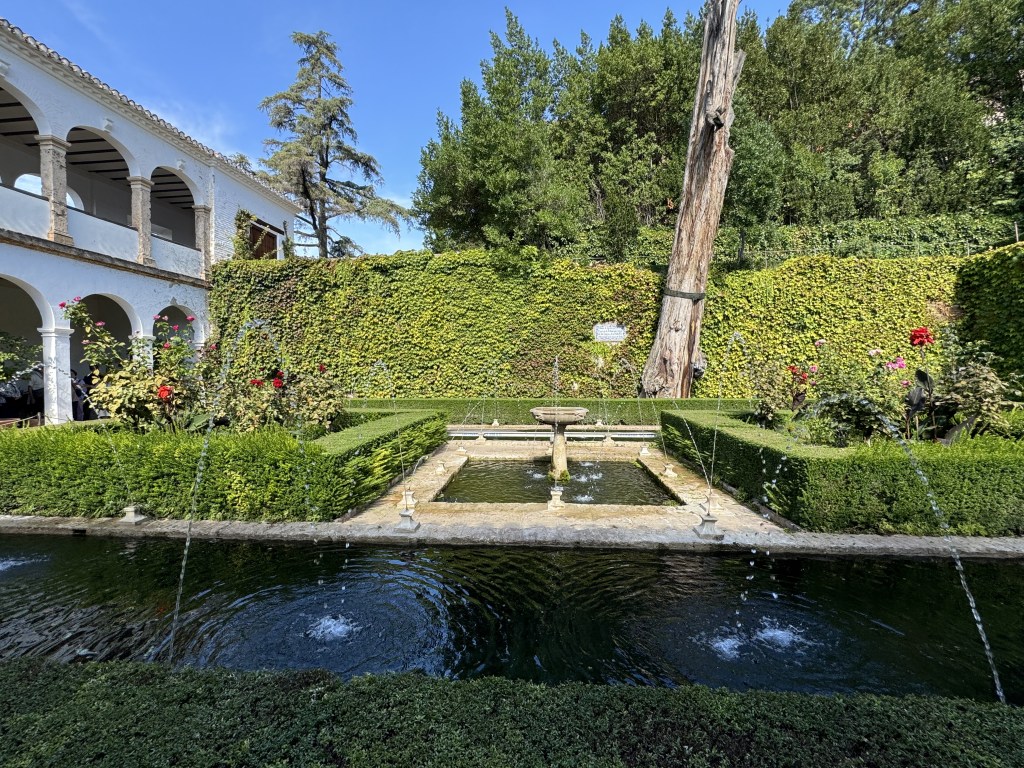
This sprawling hilltop fortress complex encompasses royal palaces, serene patios, and reflecting pools from the Nasrid dynasty, as well as the fountains and orchards of the Generalife gardens.
It houses one of the most famous monuments of Islamic architecture and one of the best-preserved palaces of the historic Islamic world, in addition to containing notable examples of Spanish Renaissance architecture.
- The complex was started during the early part of the 20th century (in 1238) by Muhammad I Ibn al-Ahmar, the first Nasrid emir and founder of the Emirate of Granada, the last Muslim state of Al-Andalus.
- Later Nasrid rulers continuously modified the site. The most significant construction campaigns, which gave the royal palaces much of their defining character, took place in the 14th century during the reigns of Yusuf I and Muhammad V.
- After the Christians reconquered it in 1492, the site became the Royal Court of Ferdinand and Isabella (where Christopher Columbus received royal endorsement for his expedition), and the palaces were partially altered.
- In 1526, Charles V commissioned a new Renaissance-style palace in direct juxtaposition with the Nasrid palaces, but it was left uncompleted.
- The site fell into disrepair over the following centuries, with its buildings occupied by squatters.
- During the Napoleon wars in 1812 (a series of conflicts fought between the French and a fluctuating array of European coalitions) parts of the Alhambra complex were destroyed.
After this, the Alhambra became an attraction for British, American, and other European travelers. The most influential of them was Washington Irving, whose Tales of the Alhambra (1832) brought international attention to the site.
After a wonderful day, albeit long, in Granada we caught an evening fast train back to Cordoba.





Global Travel Blog; Global Travel Blogger; Travel and Blog; Travel & Blog; Travel Blogs; One Life Many Travels means One Life Many Trips; One Life Many Journeys means One Life Many Memories; One Life Many Journeys means One Life Many Experiences; One Life Many Journeys means One Life Many Moments; One Life Many travels means One Life Many Adventures; Small Group tour; Private Small Group tour; Custom Small Group tour; Bespoke small group tour; Global Small Group tour
Leave a Reply