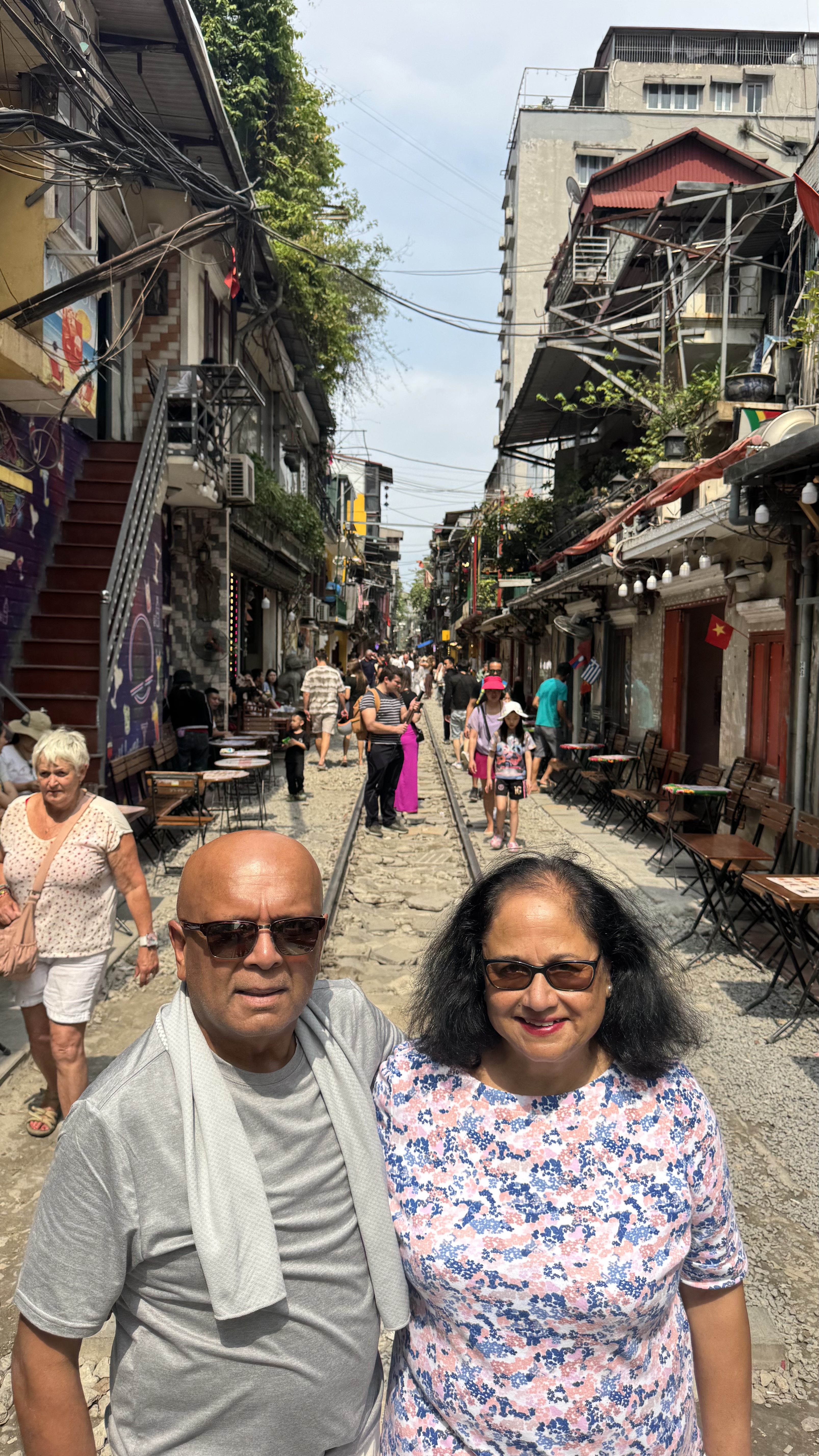
Four thousand years of history in one thin country
Vietnam is long, shaped like a question mark, which seems appropriate for a place that has spent four thousand years asking what it is allowed to be. It runs 1,650 kilometers from the mountains on the Chinese border to the flat green delta of the Mekong, shaped by two great river systems, the Red River in the north and the Mekong in the south, that have fed and flooded and defined Vietnamese civilization across four thousand years of recorded history.
Vietnam has been invaded, occupied, colonized, and bombed by some of the most powerful empires in history. It has outlasted all of them.
The Chinese occupied it for a thousand years and left. The Mongols invaded three times and left. The French colonized it for eighty years, built railways and planted rubber trees and romanized the alphabet, and then lost a battle at a valley called Dien Bien Phu in 1954 that ended European colonialism’s last serious chapter in Asia. The Americans came and spent twenty years, at a cost of two to three million Vietnamese lives, fifty-eight thousand American lives, and then left in helicopters. North and South Vietnam reunited as one in 1976.
The country spent ten years in poverty and isolation, then introduced market reforms in 1986 and has been growing ever since, quietly, methodically, with the patience of a civilization that has simply outlasted everyone who ever underestimated it.
What Vietnam teaches you in the first 48 hours
Vietnam will teach you several things very quickly. The first is how to cross the street. The second is that you did not previously understand what the word ‘coffee’ could mean. The third is that everything you thought you knew about noodle soup was provisional. And then there is the “frenchness” that is omnipresent in Vietnamese cuisine.
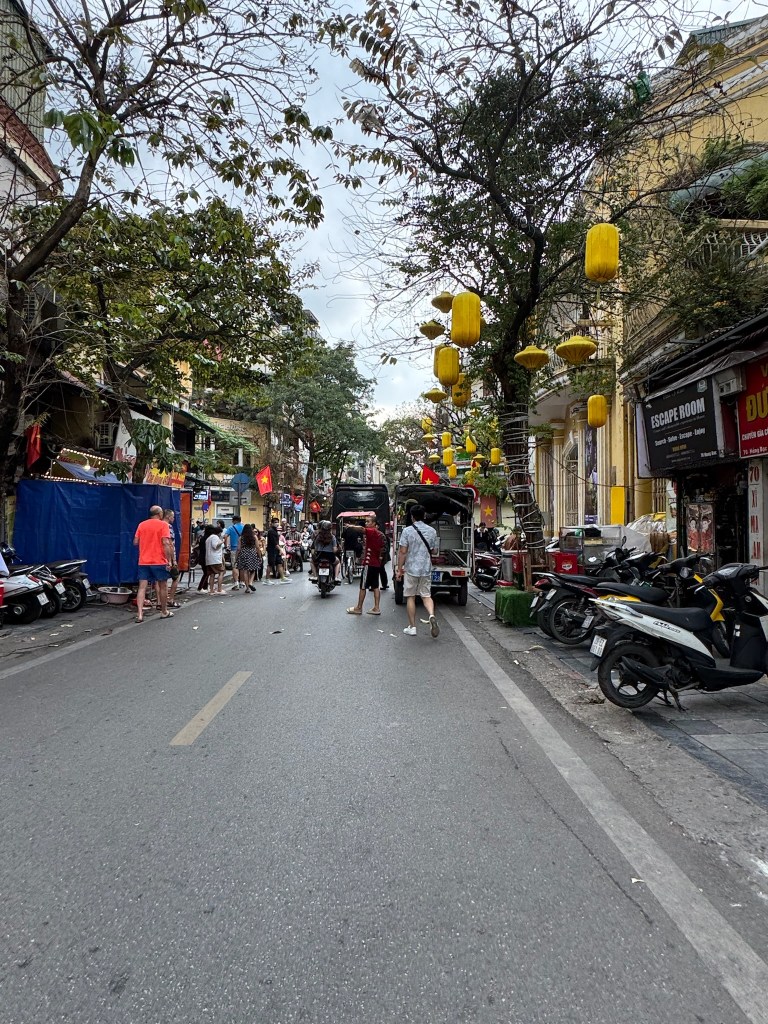
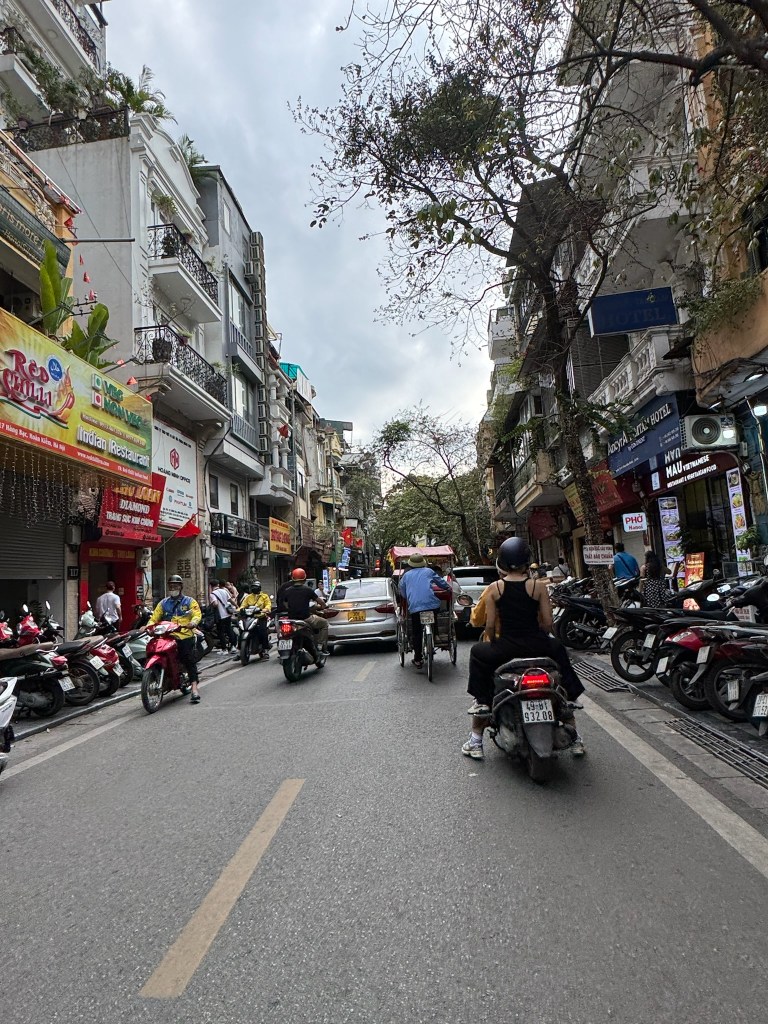
The traffic in Vietnamese cities operates on a principle that is genuinely foreign to anyone raised on traffic lights and right-of-way conventions. The principle is: flow. You step into the road, you do not stop, you do not run, and the motorbikes distribute themselves around you like water around a stone. This works. It works every time, for everyone except the people who panic and stop, which is the one thing you must not do. After two days you will do it without thinking, and after four days you will find yourself mildly impatient with pedestrian crossings in other countries for being so unnecessarily prescriptive.
The coffee is Vietnamese drip, called “ca phe”, served in a small metal filter that drips very slowly into a glass of condensed milk while you contemplate your life choices. The iced version, “ca phe sua da”, is served everywhere, costs about fifty cents, and even though it supposedly solves most problems, I did not dare to try it – just in case I ended up with a new problem.
The noodle soup situation is extensive. There is pho, which everyone outside Vietnam knows, and then there is everything else — bun bo hue, bun rieu, bun cha, cao lau, hu tieu. Vietnamese eat soup for breakfast every day. In fact most Vietnamese eat breakfast not at home but at some small local joint close to home, near a bus or train station, or near their place of work. This is also the case when it comes to dinner. Across all these places, people are seated on a small, kid size red stools and a small similar sized table with others – friends or strangers, chatting and engrossed in their meal.
A nice surprise – French influence is quietly omnipresent. You don’t really notice it at first. Then slowly it dawns on you — the pastries, coffee, the pâté tucked inside a bánh mì on a roadside stall.
France and Vietnam have had, let’s say, a complicated relationship. And yet somehow, through all of it, the croissants, baguettes, at a minimum survived – even thrived. French baking is so thoroughly woven into Vietnamese cuisine that the bread won, even if the empire didn’t.
How far does your money go in Vietnam?
Here the money goes a very long way. A good hotel room is twenty to forty dollars. A bowl of pho is a dollar fifty. A good quality full meal at a decent restaurant rarely exceeds twelve dollars! Street food runs fifty cents to two dollars. Budget travelers can live well on forty dollars a day including accommodation. This arithmetic means Vietnam rewards lingering, staying longer, which is the correct approach.
Getting around: Grab, motorbikes, and domestic flights
A ride share operator, Grab, works across all the major cities, and offers a good, easy, cheap way to move around town, especially when you don’t want to walk. The ride-share drivers are uniformly friendly, often chatty in the way that people are chatty when they are genuinely curious about where you are from and what you think of their city. Scooters, mopeds, and motorbikes abound! A domestic flight rarely exceeds sixty dollars if booked in advance.
Learn two phrases before you go: xin chao (hello) and cam on (thank you). You will use them constantly, you will mispronounce them continuously, and the mispronunciation will be met with patient correction and genuine appreciation for the attempt.
Why Vietnam stays with you
You come here expecting a country defined by its war. You leave understanding that the Vietnam war was twenty years in a history four thousand years long. Vietnam was here before the war. It is here after it. It will be here long after the last photograph of that rooftop helicopter has faded from collective memory.
What moves you about Vietnam, if you let it, is not the landscape, even though the landscape is extraordinary. It is the continuity. The women in conical hats in the rice paddies are doing something their ancestors were doing two thousand years ago. The pho broth has been simmering since before my grandmother was born. The temple incense has been burning, in one form or another, since the Bronze Age. Four thousand years of unbroken habitation on the same land, and the land remembers all of it.
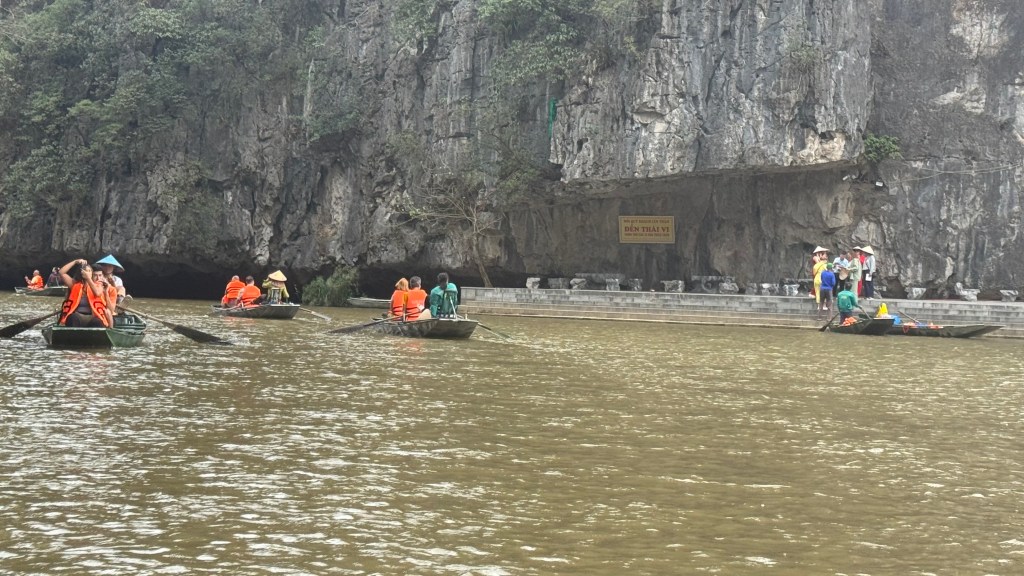
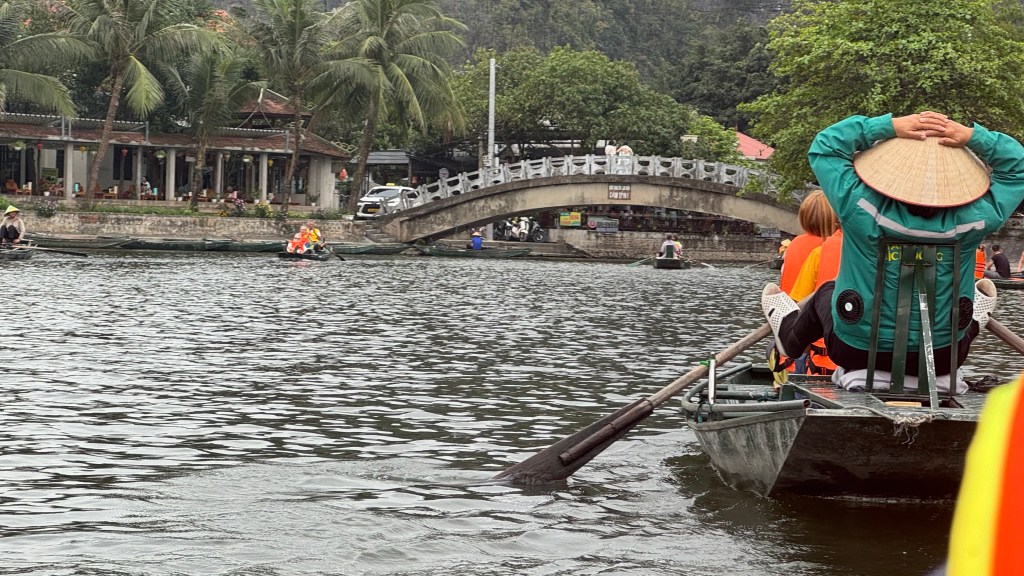
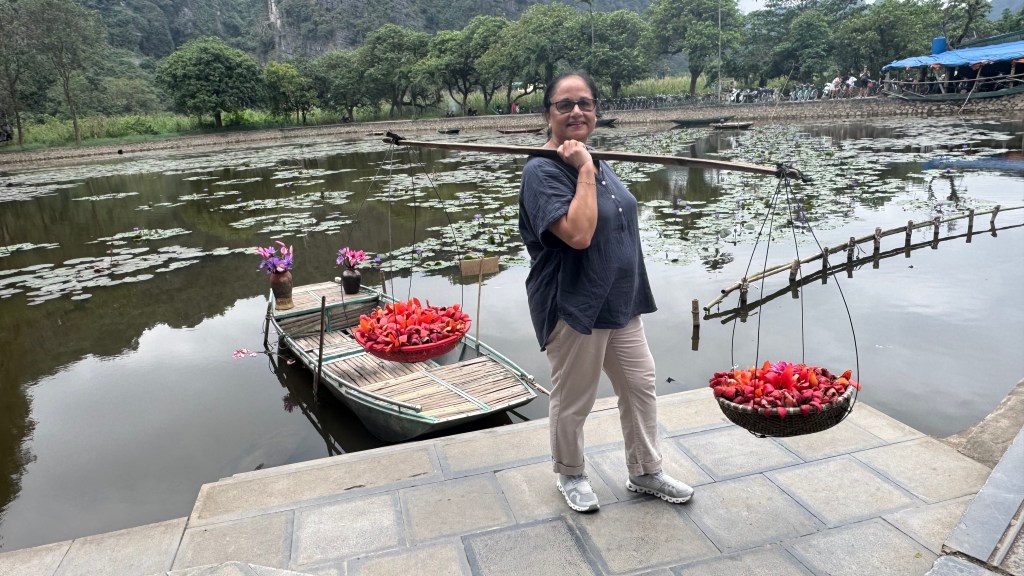
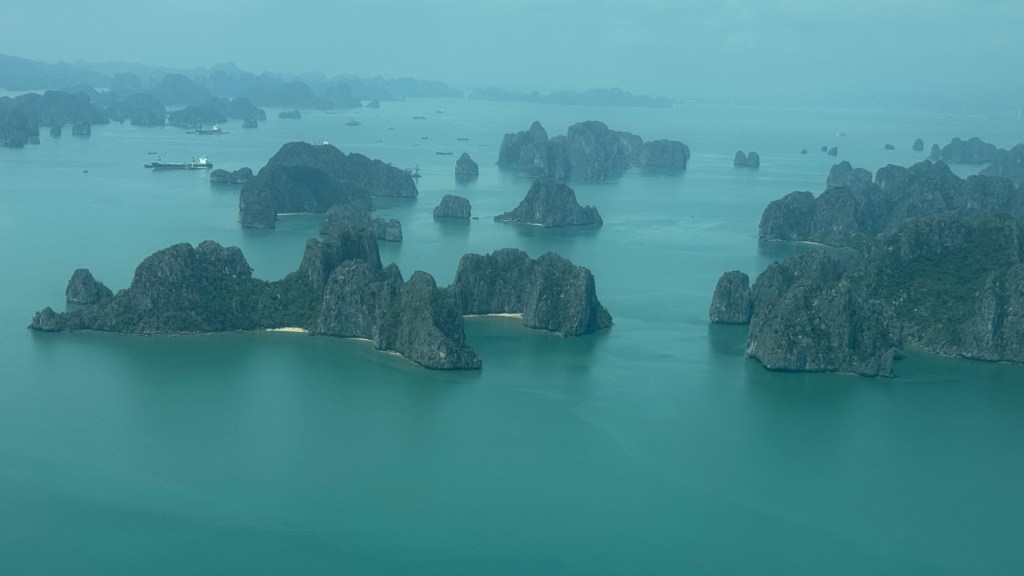
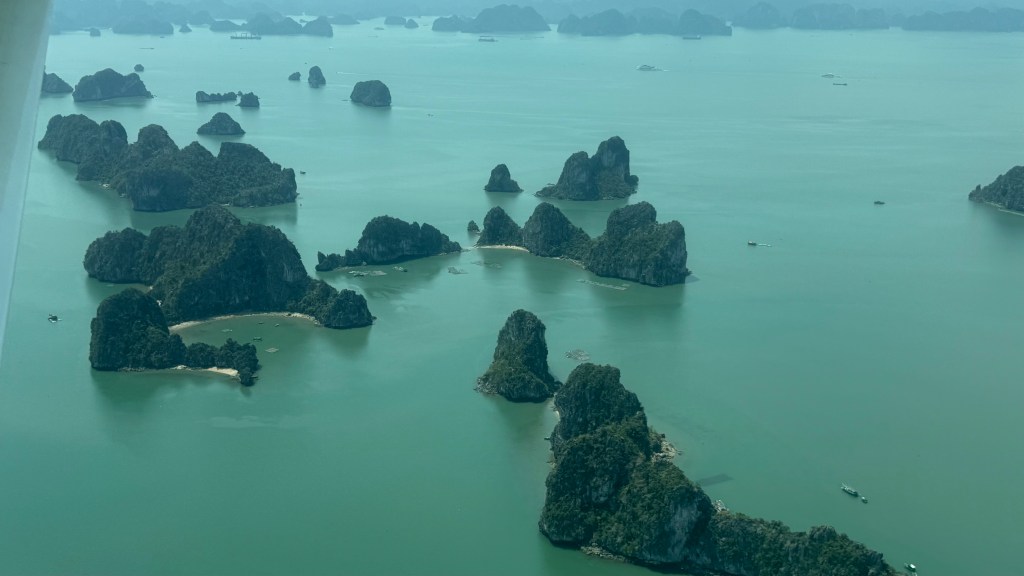
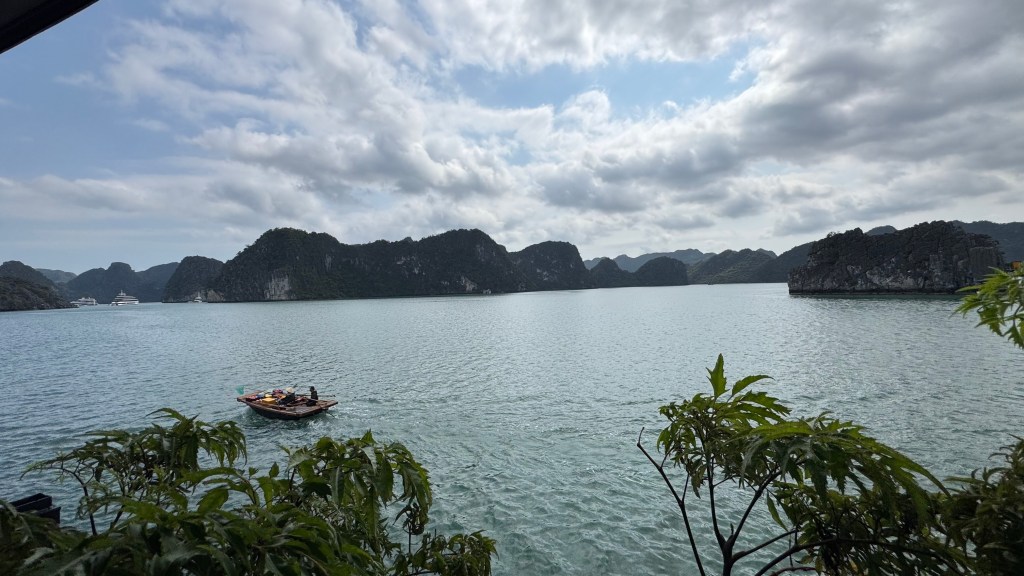
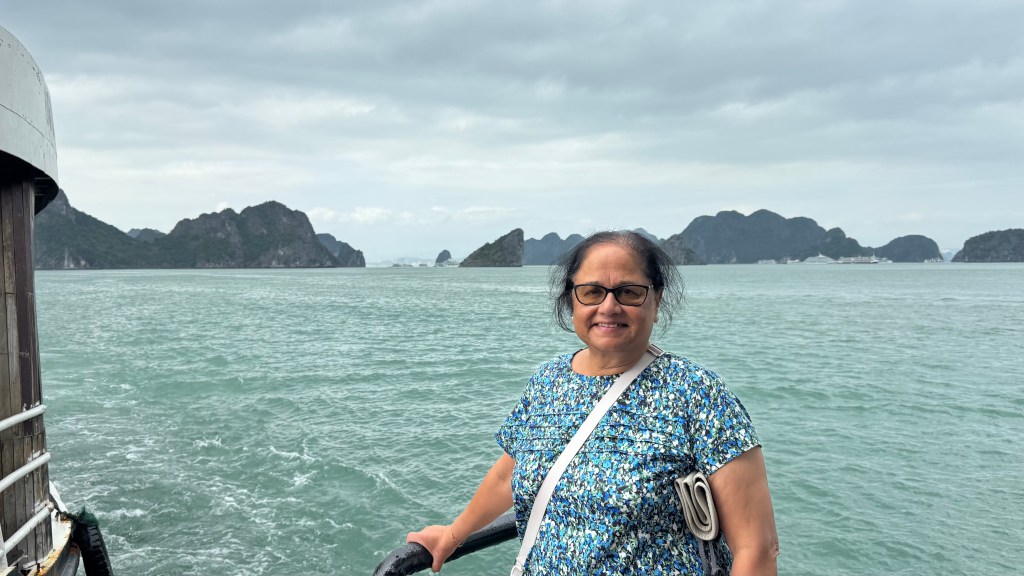
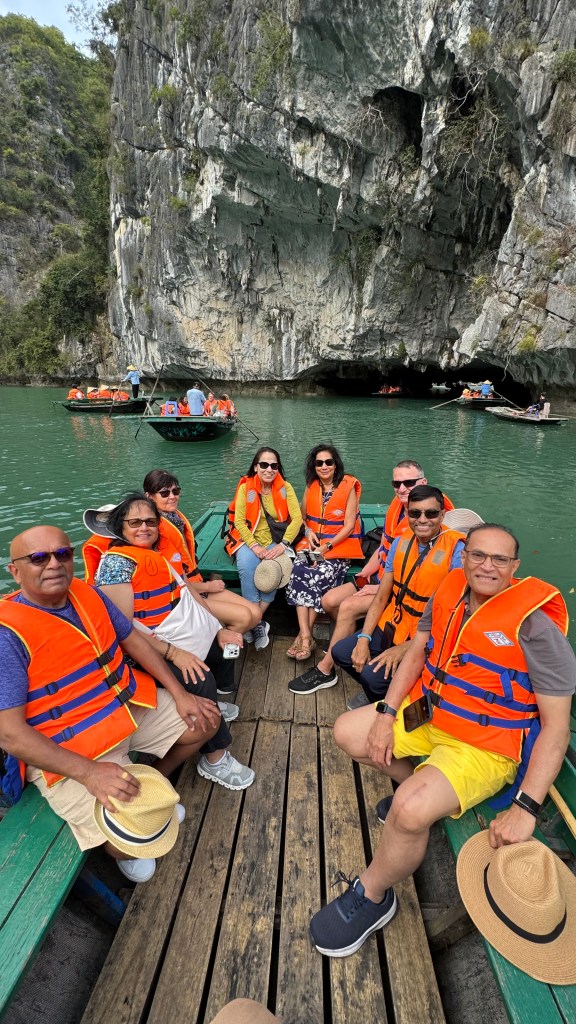
After 14 days in Vietnam, I leave enamored with its people, their warmth, and the places we visited – HaNoi, Ninh Binh, Ha Long Bay, Hoi An, My So’n, Saigon, and Can Tho!
I convey a huge, big thank you to Vicky, at Little Vietnam Tours for her expert planning of our private tour.
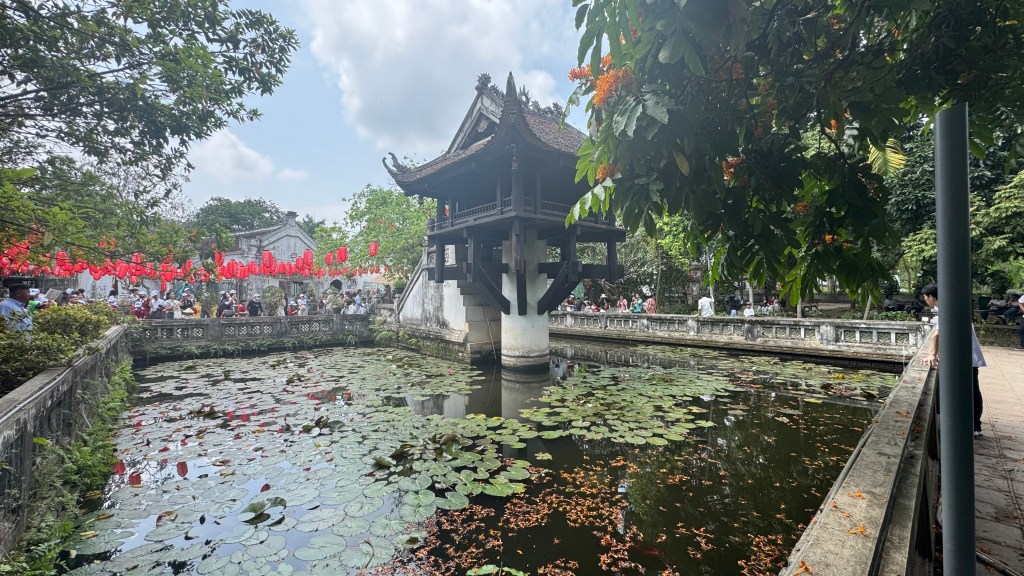
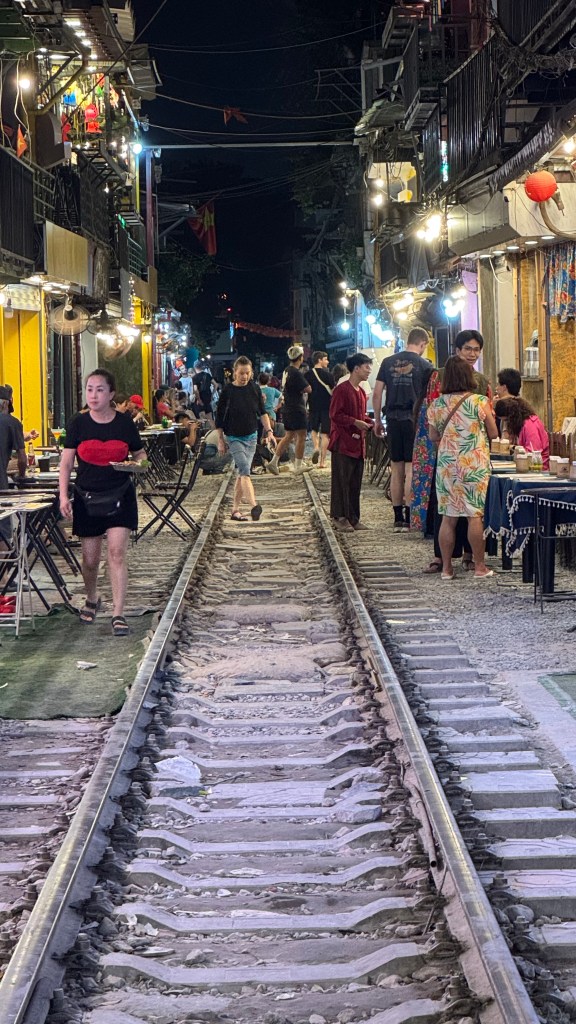
Hanoi … Hanoi — the city that breathes history


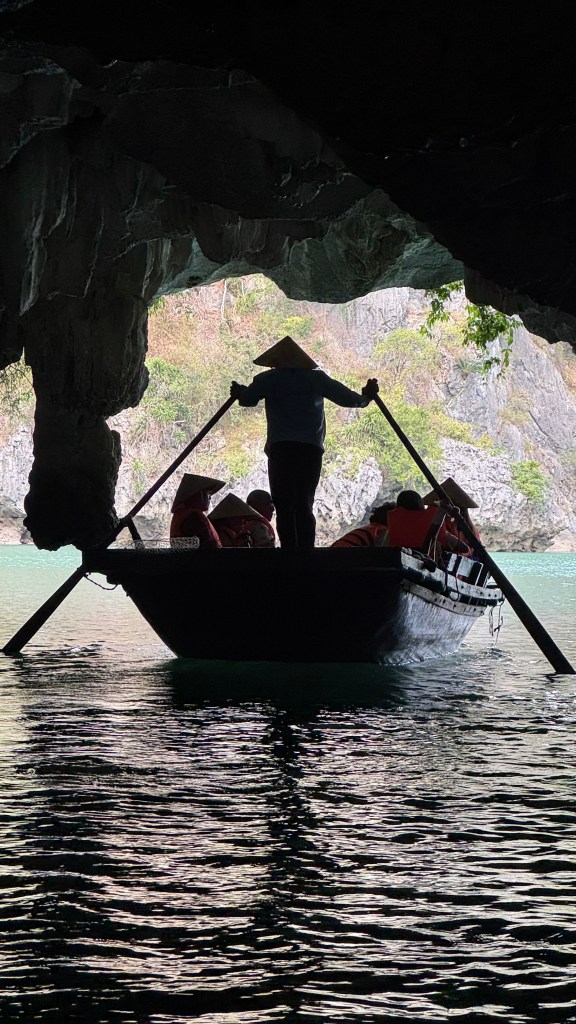
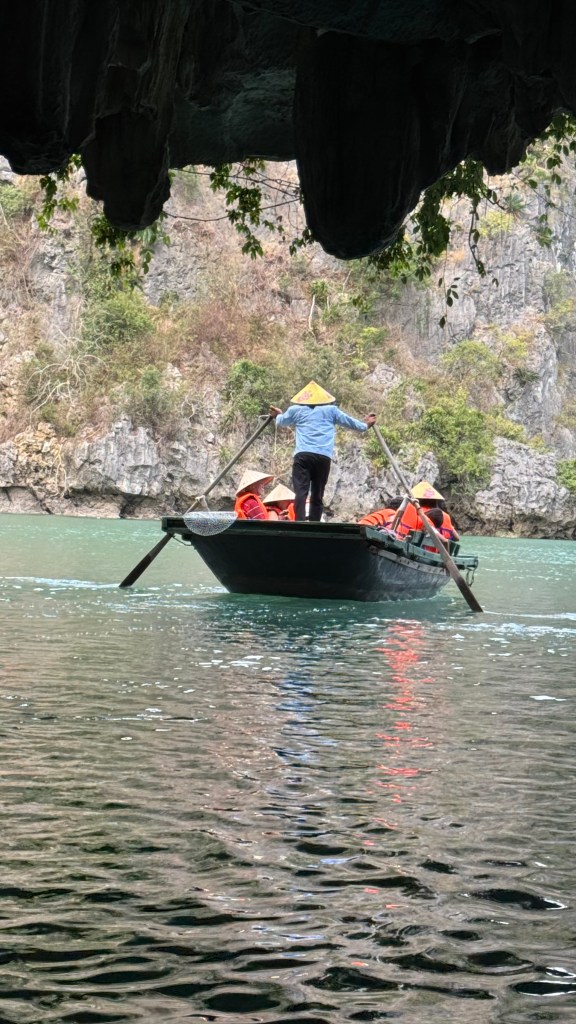
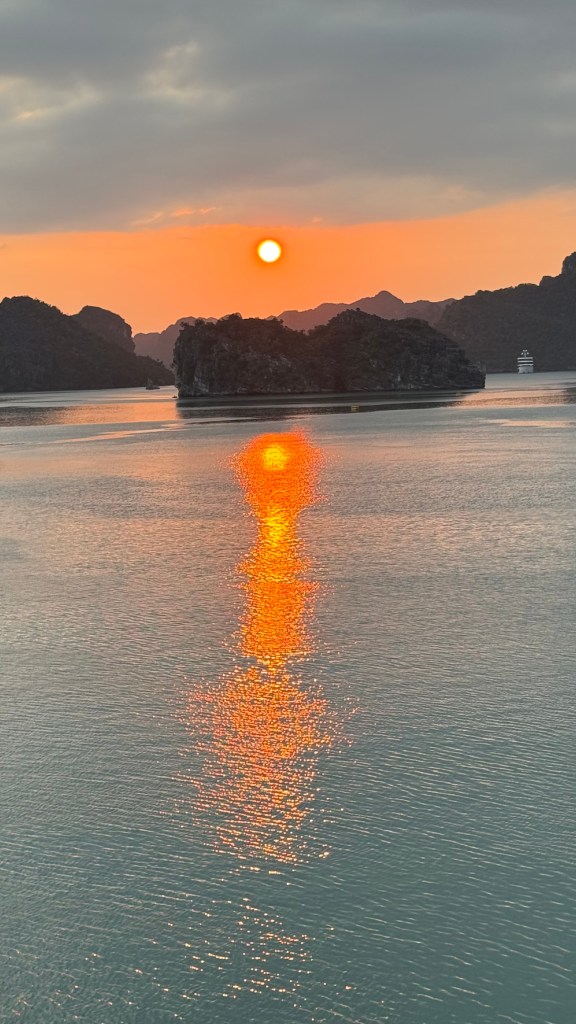
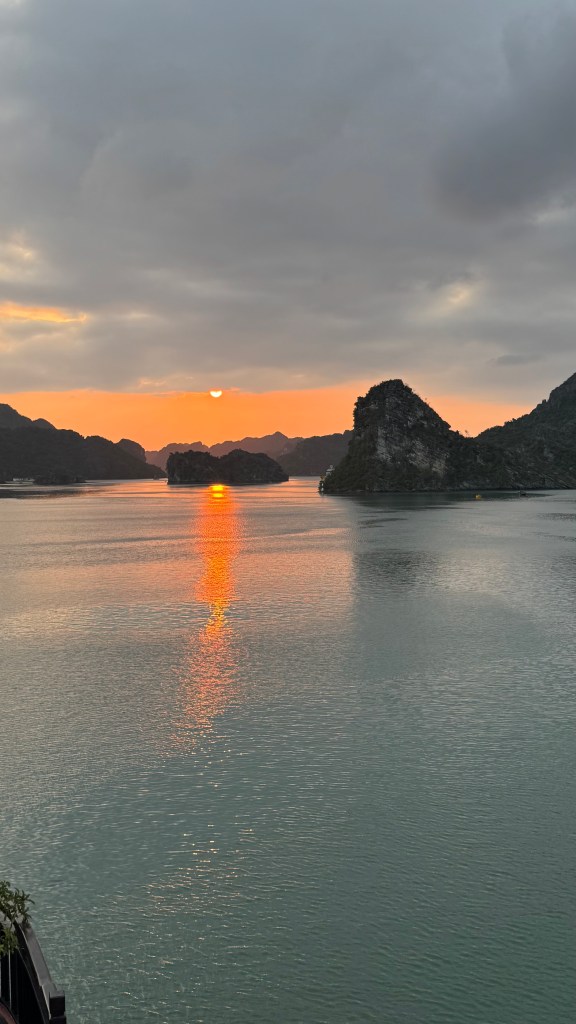
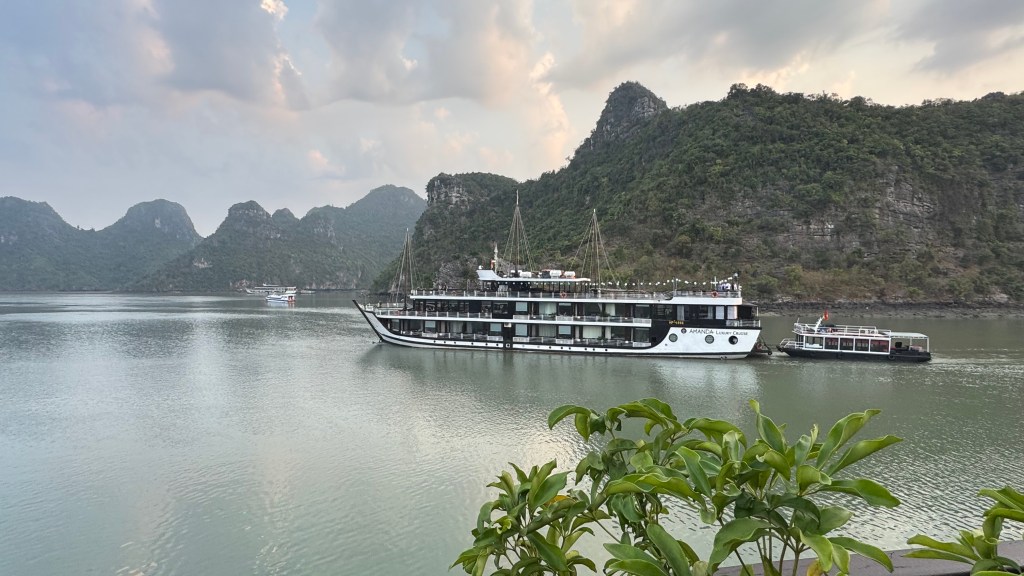
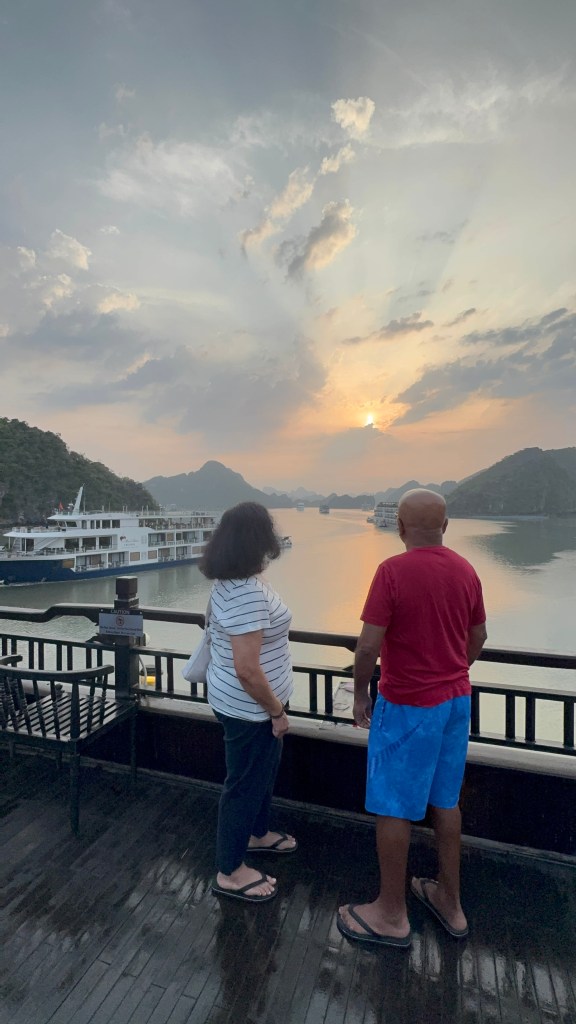
Ha Long Bay … blog forthcoming








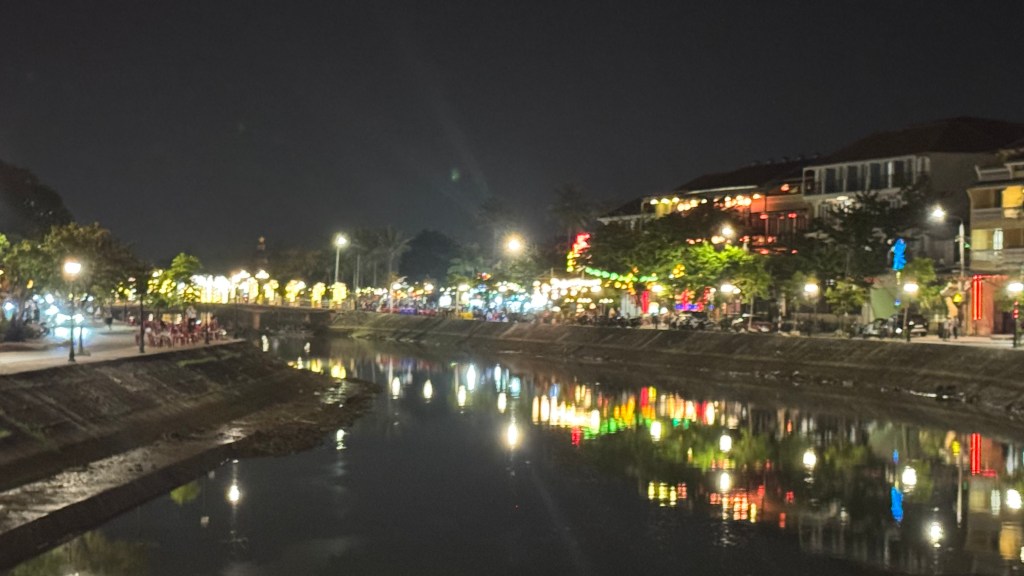
Hoi An … blog forthcoming




Saigon & Cam Tho … blog forthcoming


Leave a Reply