
Historical timeline of Egypt
Before Egypt existed as a state
People lived along the Nile for thousands of years before any civilization:
- Farming villages: ~5000 – 4000 BC
- Stone tools, pottery, early trade
But this is not yet “Egypt” – just human settlement.
Birth of Egypt as a civilization
Egypt becomes Egypt when it unifies under one king. This happens around 3100 BC when King Narmer / Menes unites Upper & Lower Egypt.
This is when:
- Pharaohs begin
- Hieroglyphic writing appears
- The state, religion, and bureaucracy are born
- When the pyramids were built
- The Great Pyramids were built around 2600 BC, which means Egypt was already 500 years old when Giza was built.
End of ancient Egypt
The last Egyptian ruler was Cleopatra.
Rome takes over in 30 BC. This marks the end of Egypt as an independent ancient civilization.
Egypt is not just a country – it’s a 3,000 year long civilization that never stopped.
While Rome was still huts on hills, Egypt already had:
- Writing
- Law
- Medicine
- Architecture
- International trade
And the reason it all exists?
The Nile


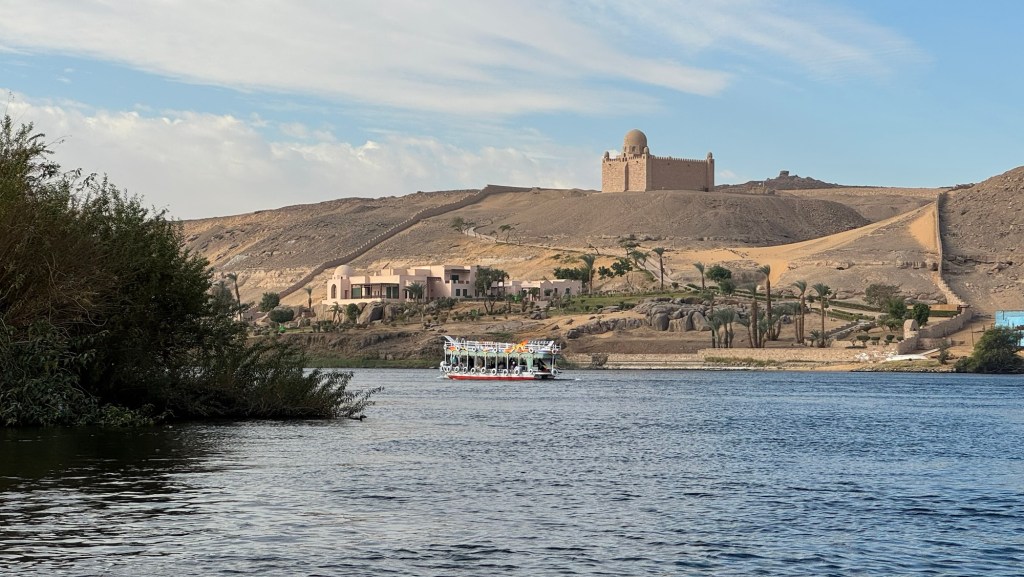


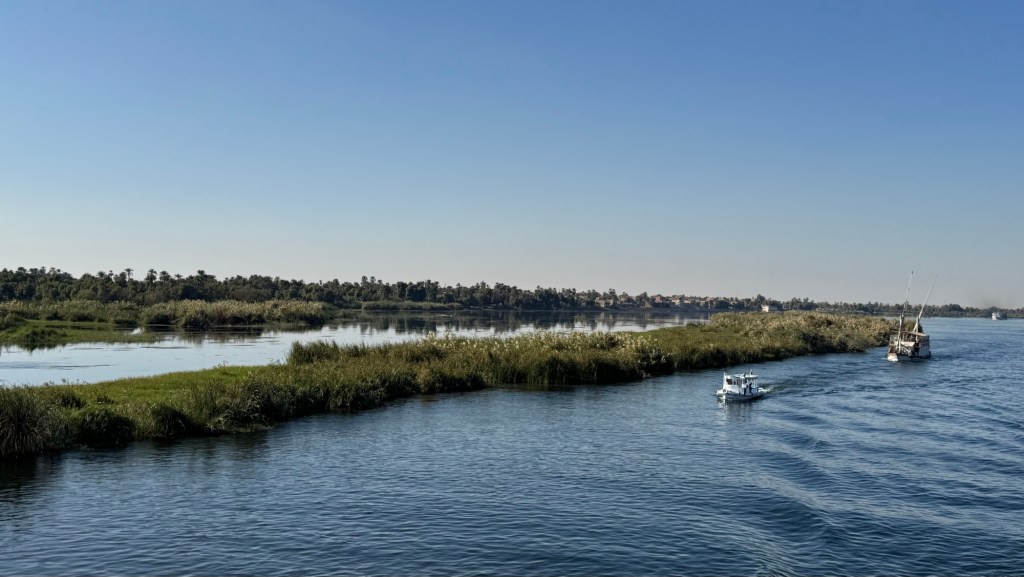
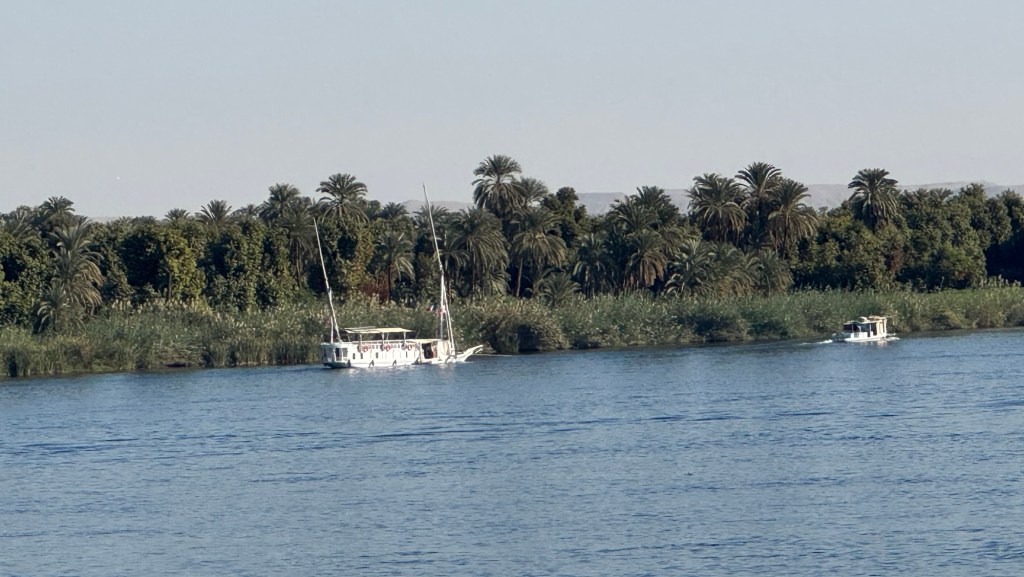

Egypt is a river with a country attached to it.
Over 95% of Egyptians live within a few miles of the Nile — because beyond it is Sahara desert.
Every year the Nile flooded, leaving behind black fertile soil:
- Farmers grew wheat
- That fed workers
- That built pyramids
- That created empire
The ancient Egyptians believed: The Nile was the bloodstream of the Gods.
It flows south to north (rare for a major river), from the heart of Africa to the Mediterranean, making Egypt the green ribbon in a sea of sand.
The Nile didn’t just grow food. It created religion, timekeeping, astronomy, and monarchy.
Which leads to…
The Pharaohs
Pharaohs weren’t kings. They were living Gods on Earth.

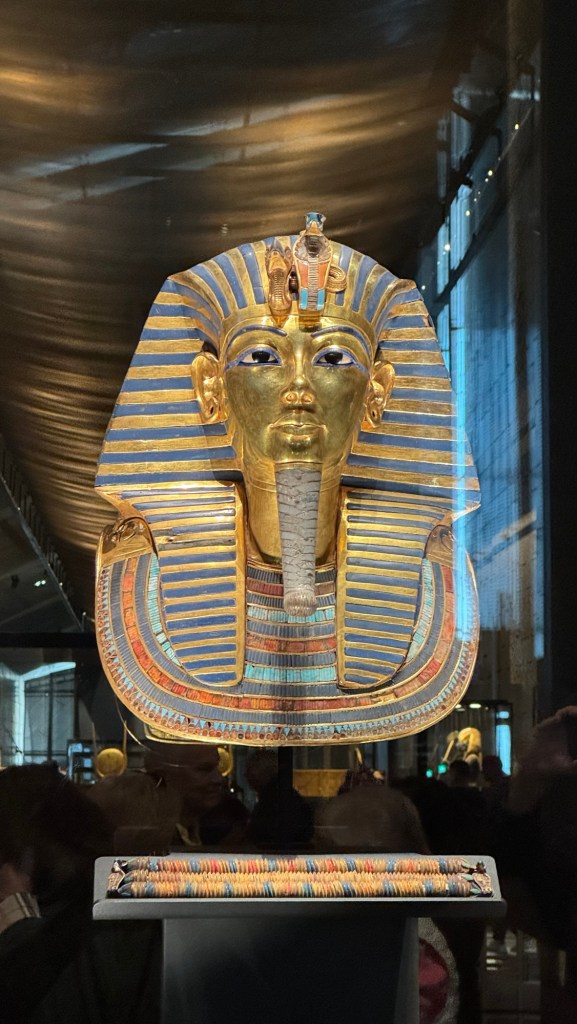

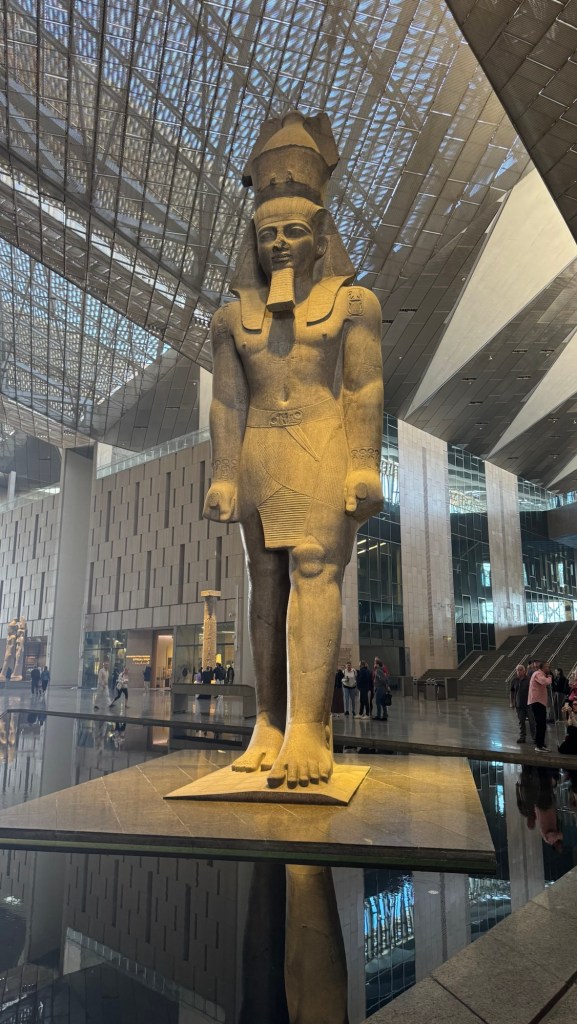


Their job:
- Keep the Nile flooding on time
- Keep the Gods happy
- Keep chaos (called Isfet) away
Death wasn’t the end — it was a career change.
They built tombs that were not “memorials,” but a pathway to the afterlife.
Which brings us to…
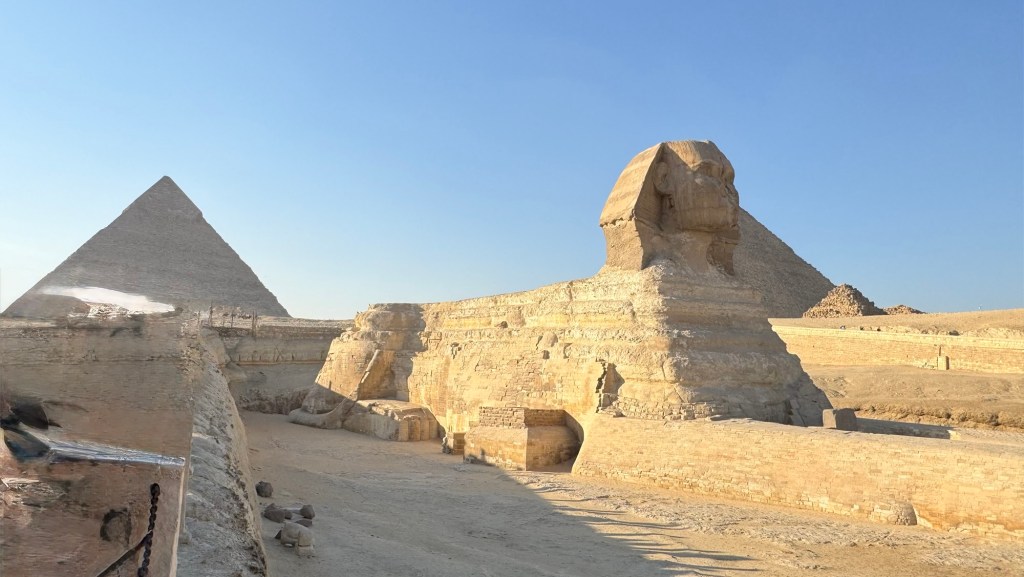
The Pyramids of Giza
They were built around 2600 BC, when:


- Stonehenge was barely forming
- Mammoths were still alive in parts of the world
The Great Pyramid:
- Was the tallest building on Earth for 3,800 years
- Used over 2.3 million stone blocks
- Each block weighs as much as an SUV
And they were not built by slaves.
They were built by skilled Egyptian workers who lived in organized cities with:
- Doctors
- Bakeries
- Wages
- Beer rations
The pyramids were launchpads to the afterlife – designed to aim the soul toward the stars, where the Gods lived.
Even their shape reflects the sun’s rays descending to Earth.
Why Egypt feels different
Rome feels old.
Egypt feels eternal.
Because while empires rose and fell everywhere else, the Nile kept flowing, and Egypt kept being Egypt.
- Same river.
- Same farming.
- Same sky.
- Same sacred geography.
You don’t “visit” Egypt.
You step into humanity’s first great, continuous civilization.
Just a fyi, also around the same time, 3300 – 2600 BC, there were two other great civilizations that independently arose:
- Mesopotamian (Sumerian), and
- Indus Valley (Harappan).
Why Egypt stays with you
Italy makes you fall in love.
Egypt makes you feel small in the best way.
It was the blueprint for civilization.
- Religion.
- Architecture.
- Writing.
- Time.
It all flows from one river.
Next blog: The River of Time: Aligning with the Ancient Rhythm of Egypt …
Leave a Reply