
Hanoi is a city that has been the capital for over a thousand years, and it carries this history with the particular grace of a place that does not need to announce itself.
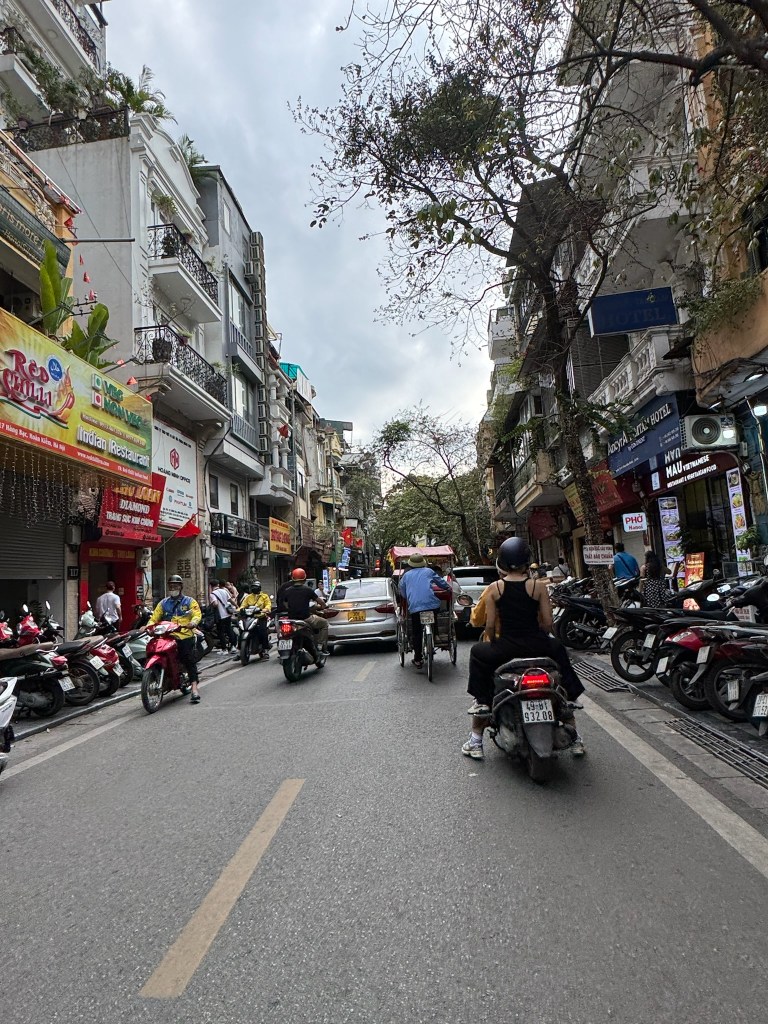
Walking in the morning to the Temple of Literature, there is a hold your heart in your hands moment. Nobody warned me about the motorbikes, or rather the orchestral chaos of motorbikes! The secret to crossing a Vietnamese street is to be like water – just flow. The bikes go around you. Mostly.
Hanoi Old Quarter: 36 Streets, A Thousand Years
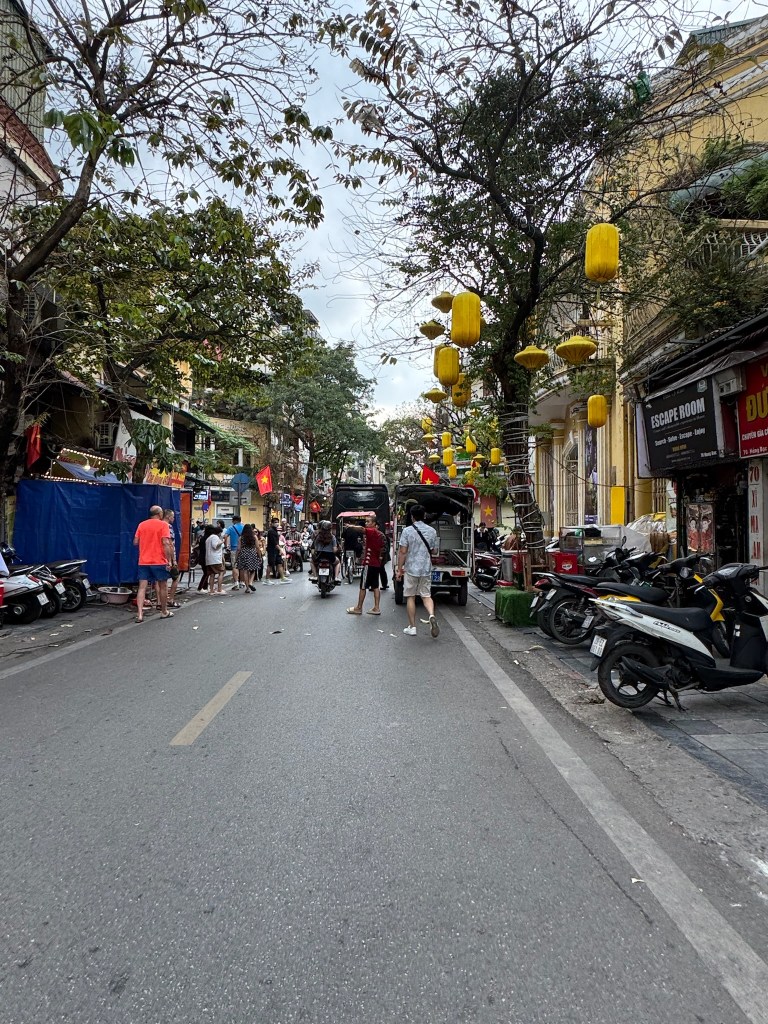
The Old Quarter is a labyrinth – 36 guild streets named for the trades that once defined them – sells silk on Silk Street and tin on Tin Street, paper on Paper Street, exactly as it always has, alongside the tourist shops and the coffee houses and the places that have been selling the same thing since before France decided it owned this country.

Hoan Kiem Lake and the Legend of the Sword
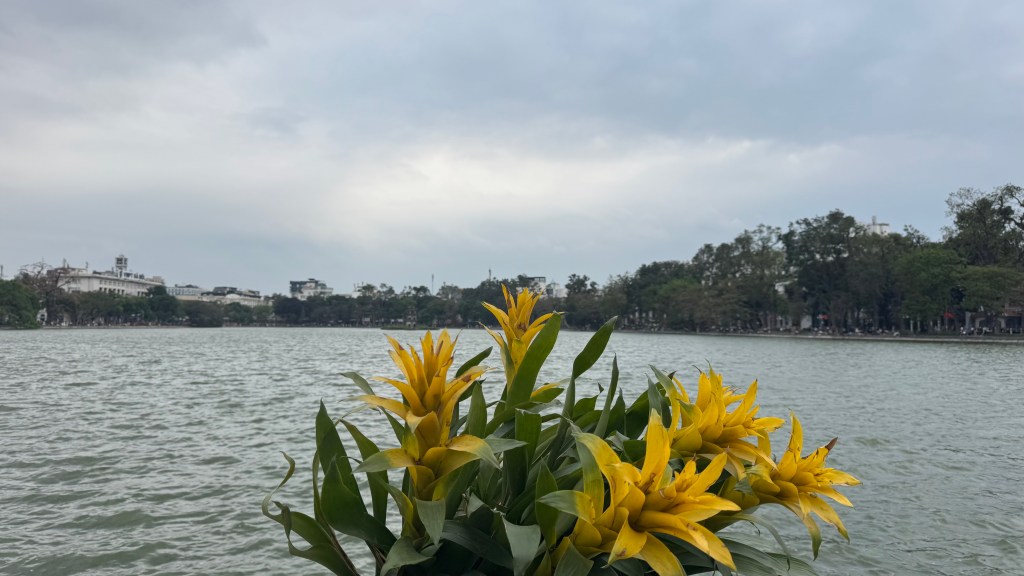
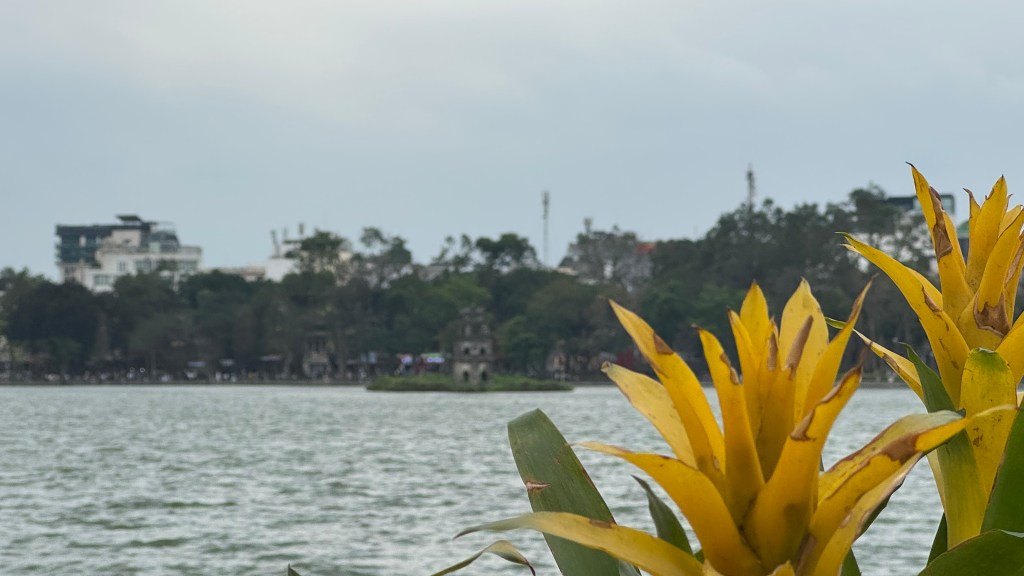
The lake at the centre of the city, Hoan Kiem, holds a legend: a king was given a magical sword, won independence with it, returned to the lake, and the sacred turtle rose from the water to take it back. The turtle is possibly a myth. The independence was real. There is a red bridge to a small island pagoda, and apparently at dawn the old men do their tai chi at the water’s edge.


Visiting Hanoi
Hanoi has been doing this – absorbing the new while keeping the old – for a thousand years. The French added the wide boulevards and the café culture, and these are now as Hanoian as anything. The American war left its craters, and the craters became lakes, and the lakes became parks.
Still, Hanoi metabolizes its history and moves on without apparent trauma. That is either extraordinary resilience or profound equanimity — and possibly both.
We had Hanoi for one full day, which sounds stingy until you realise Hanoi packs quite a lot into a day.
We arrived from Singapore around 6pm and sailed through immigration — which was frankly embarrassing, because we had paid for VIP access after watching dramatic news footage of queues that apparently existed on a different day, or possibly in a parallel universe. The VIP lane was our tribute to anxiety.
Driving into the city felt immediately recognisable — if you’ve experienced traffic in India or East Africa, Hanoi’s roads will feel like a reunion. Chaotic, loud, and somehow everybody gets where they’re going.
The hotel was near the Old Quarter, which was convenient in the way that only becomes apparent once you’re there and realise you can walk to everything without consulting Google Maps every four minutes.
Now — $65 a night for a 4-star hotel. Our group approached this figure with the suspicion it deserved. Surely there was a catch. A shared bathroom? Existential dread included in the price? No. It was just a nice hotel. Clean, comfortable, good breakfast. Vietnam simply refuses to charge what we’ve been conditioned to expect.
Dinner the first night: Indian food, twelve people, $90 including tip. Someone did the math aloud and the table fell silent in the way it does when something genuinely doesn’t compute. We recovered quickly and ordered dessert.
Train Street was exactly as advertised, which is to say: a train comes. You are very close to it. Closer than feels entirely responsible. We sat, we watched, we stood up at the crucial moment and I will not say how close our fingers got to that train. But we have stories.
Hanoi is one stop in a country that rewards every kind of traveler – read my full [Vietnam travel guide] for where to go next.
Leave a Reply