Small group tour with a curated private / bespoke itinerary of Spain – organized by Wine Tourism Spain – Spain Small Group Tours
Toledo
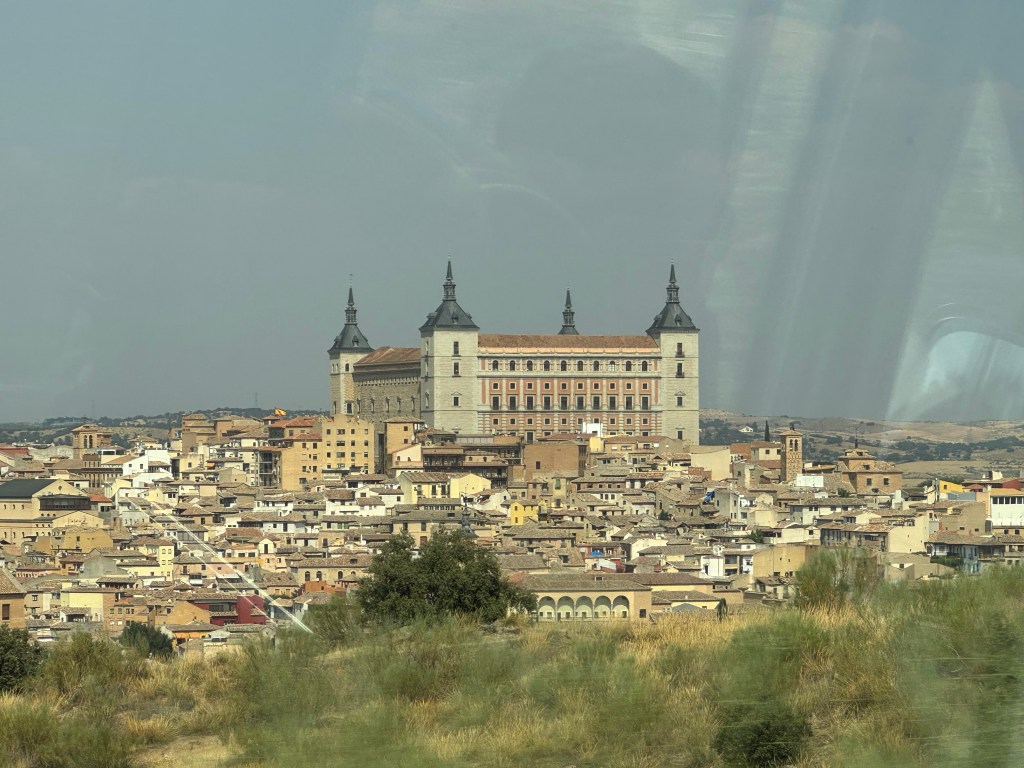
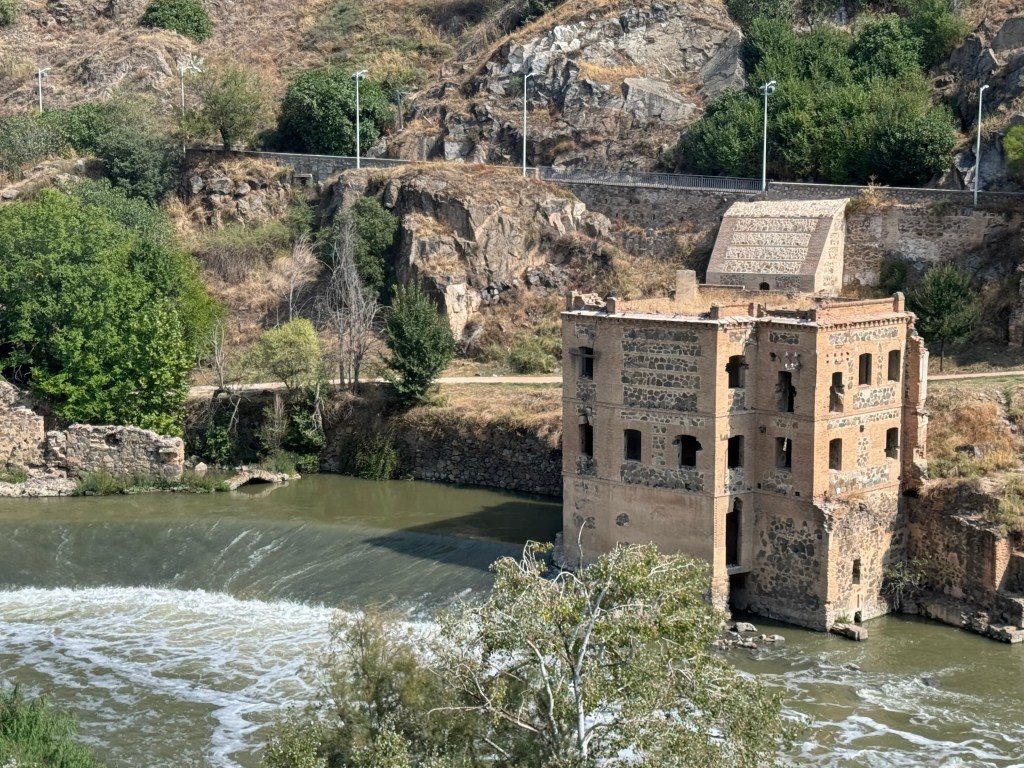
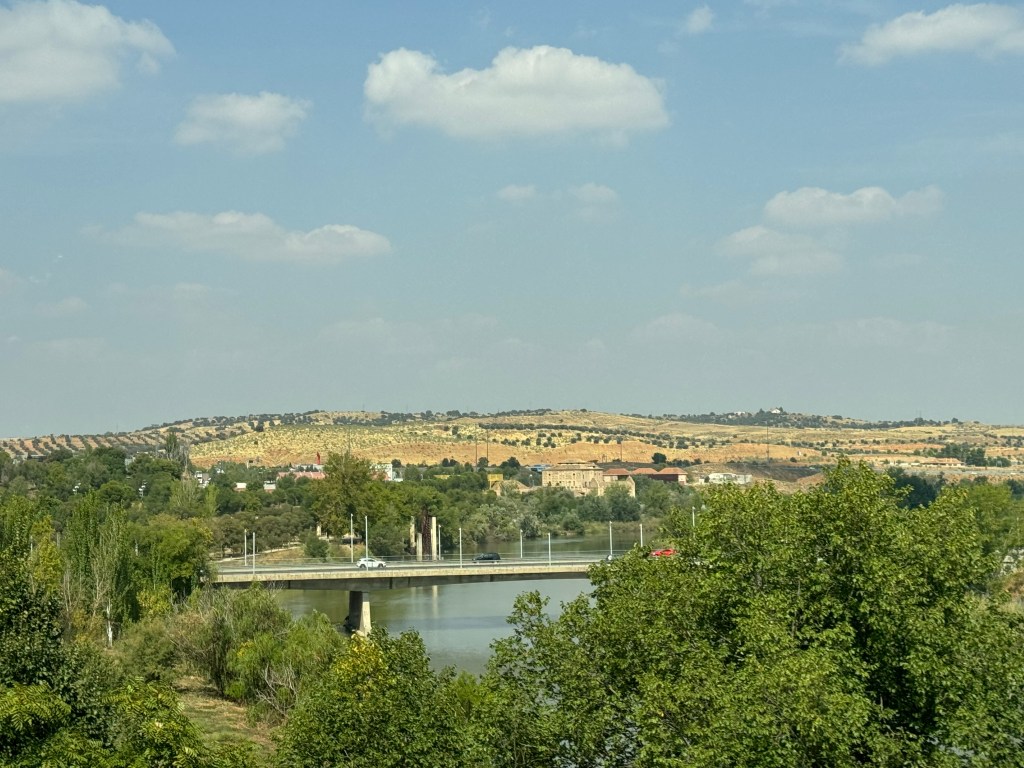
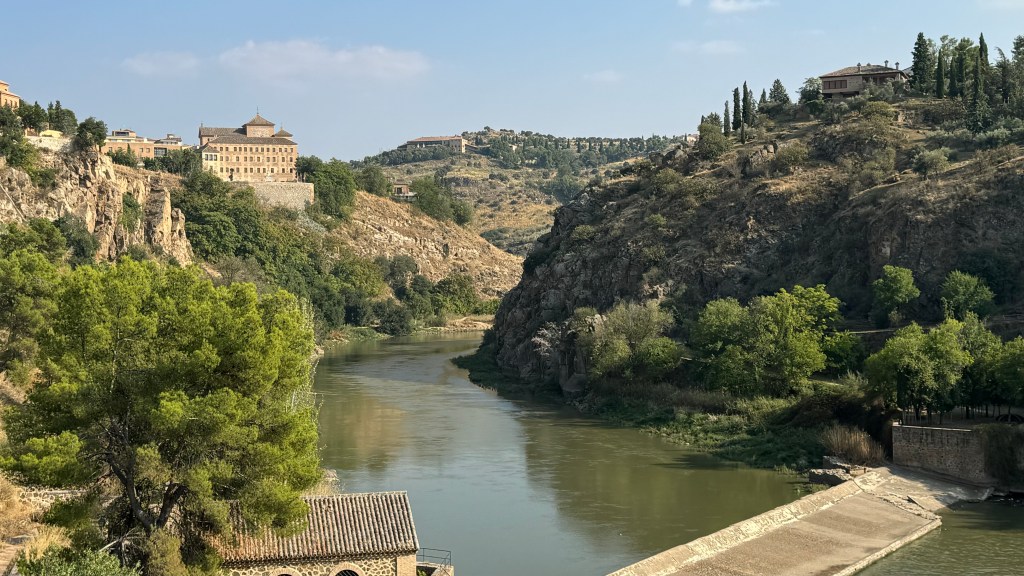
Toledo is the capital of the province of Toledo and the seat of the government of the autonomous community of Castilla–La Mancha. The town is just less than 50 miles from Madrid, and is nestled on the banks of the river Tagus in central Iberia.
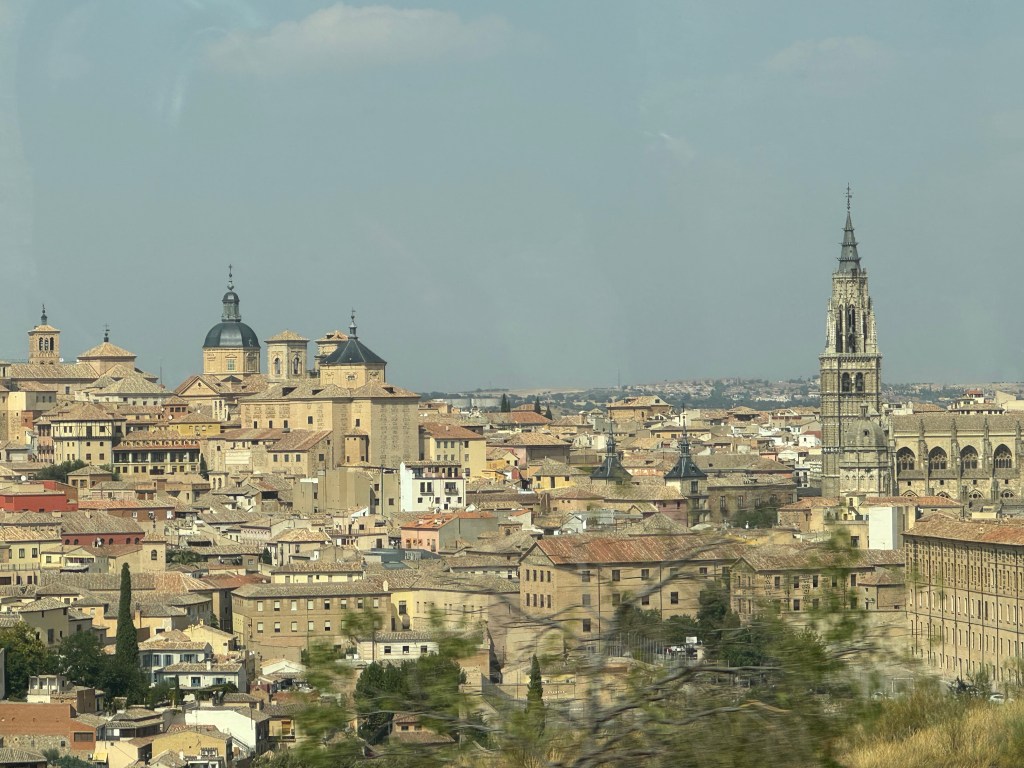
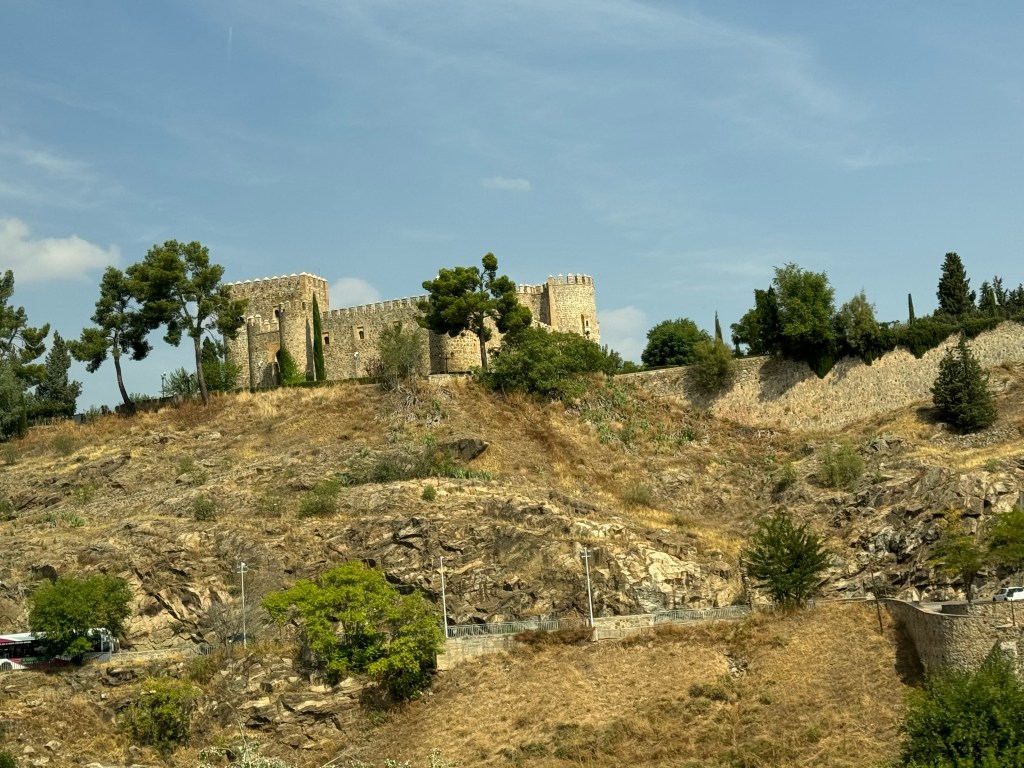
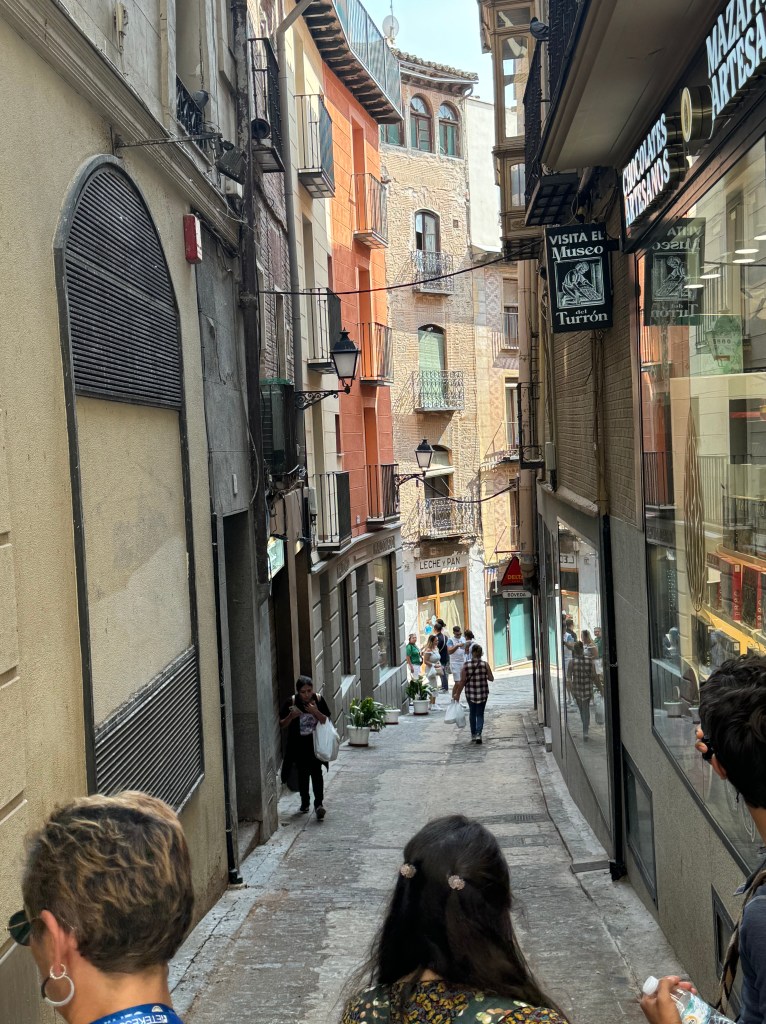
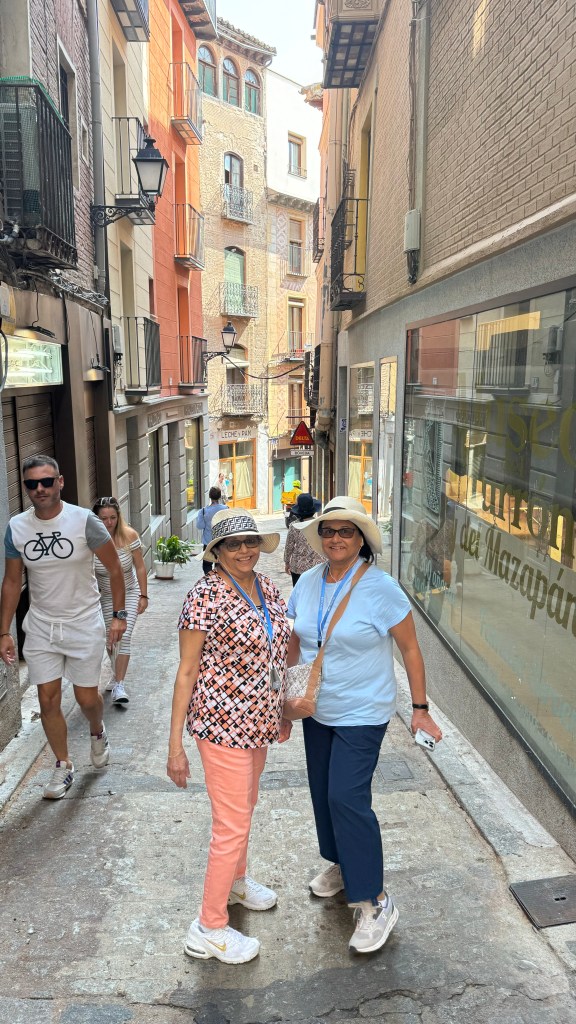
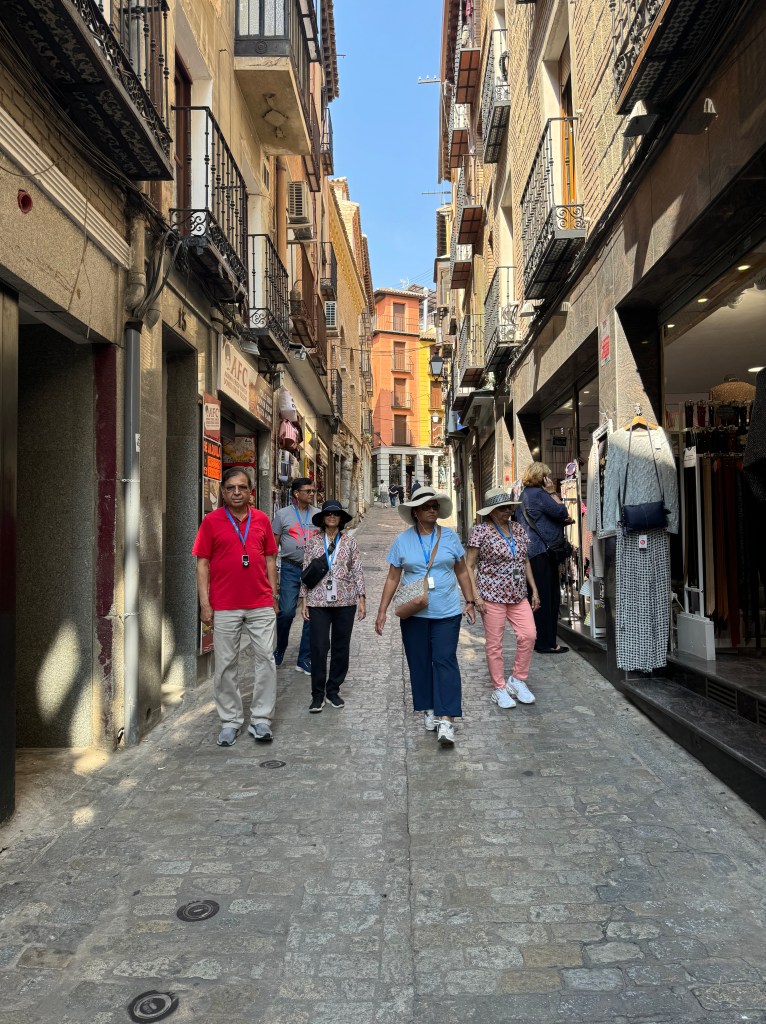
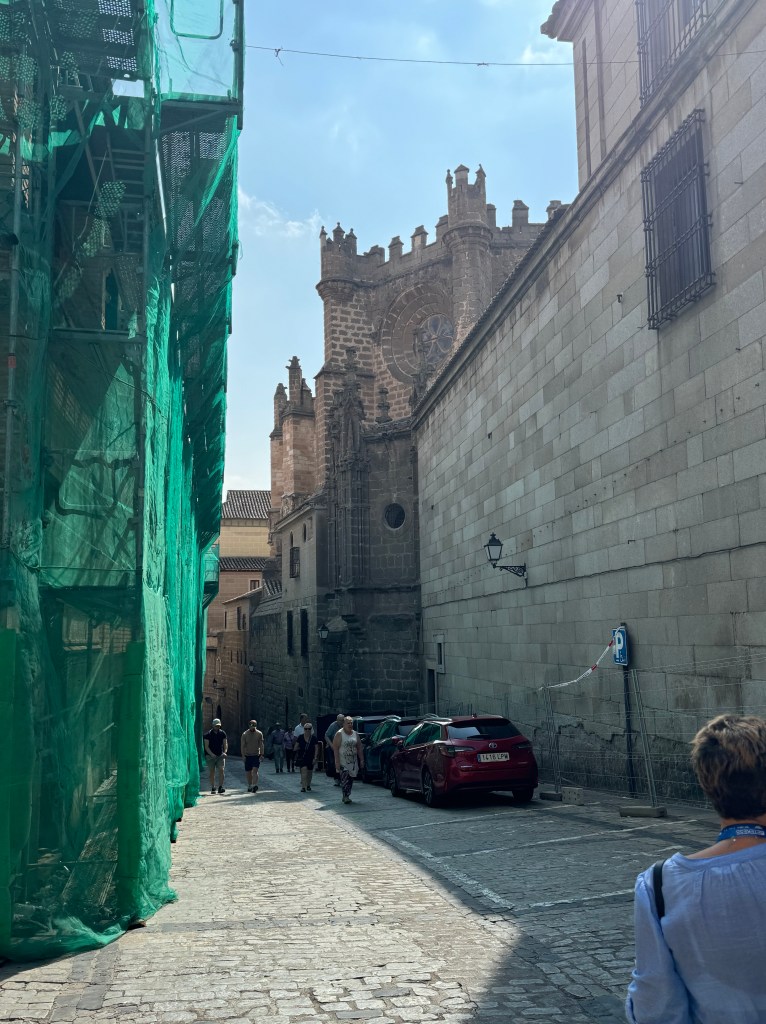
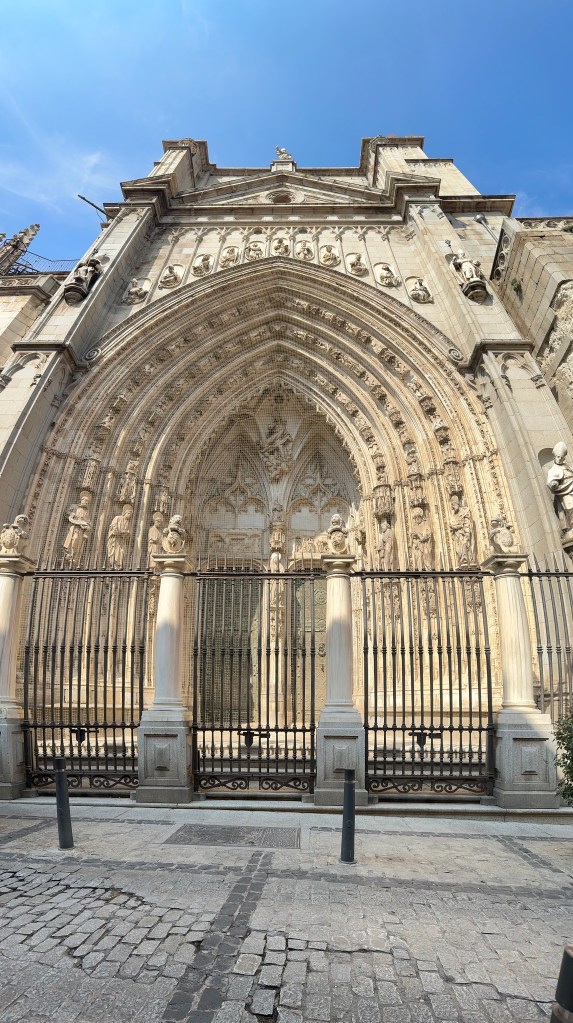
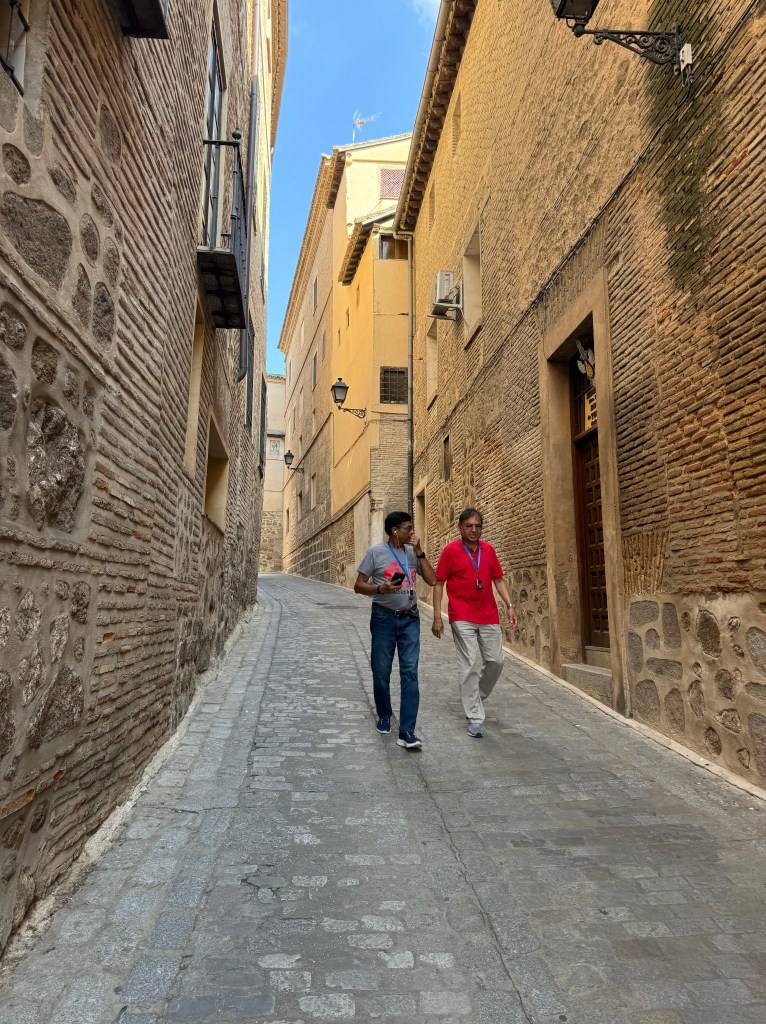
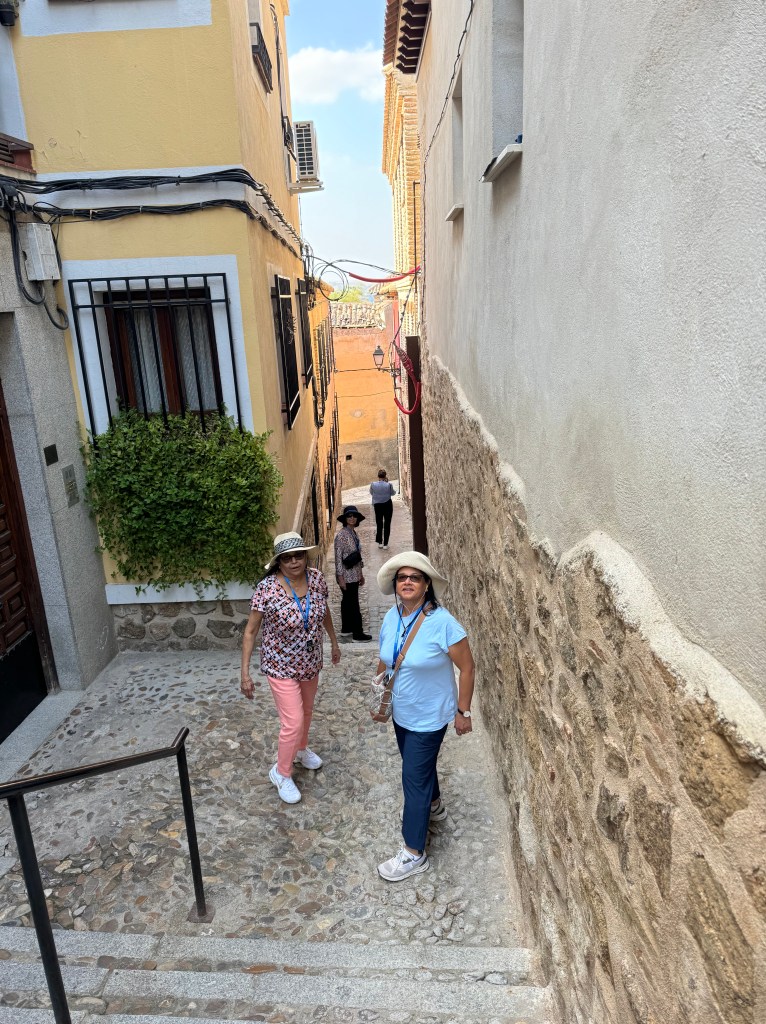
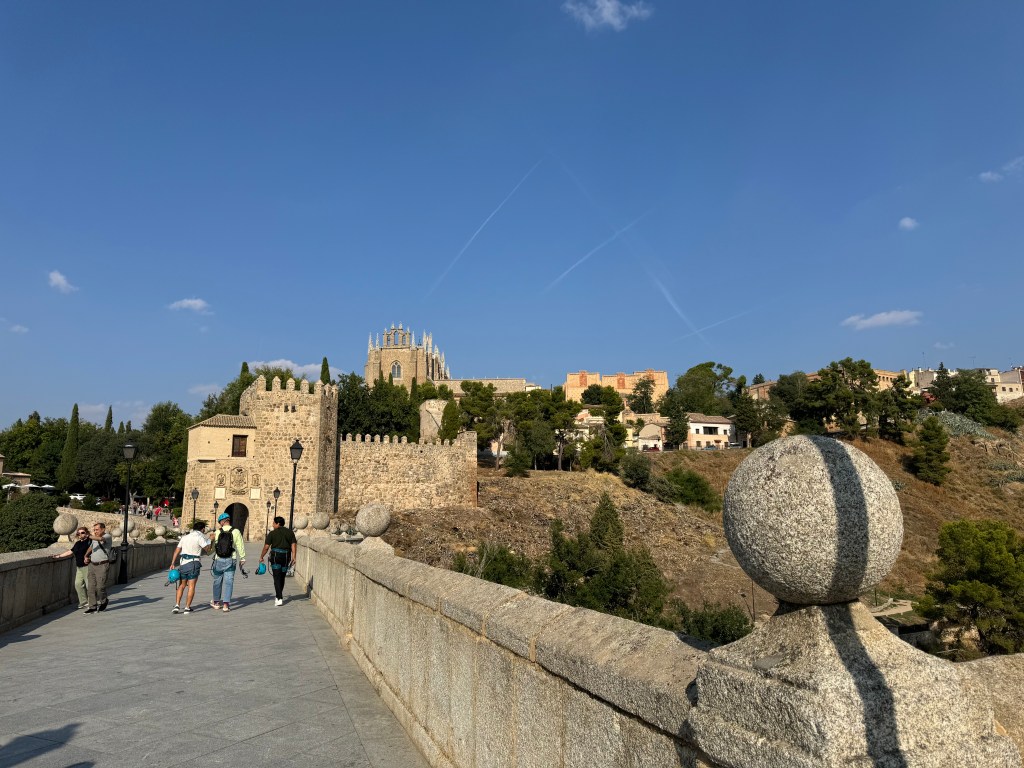
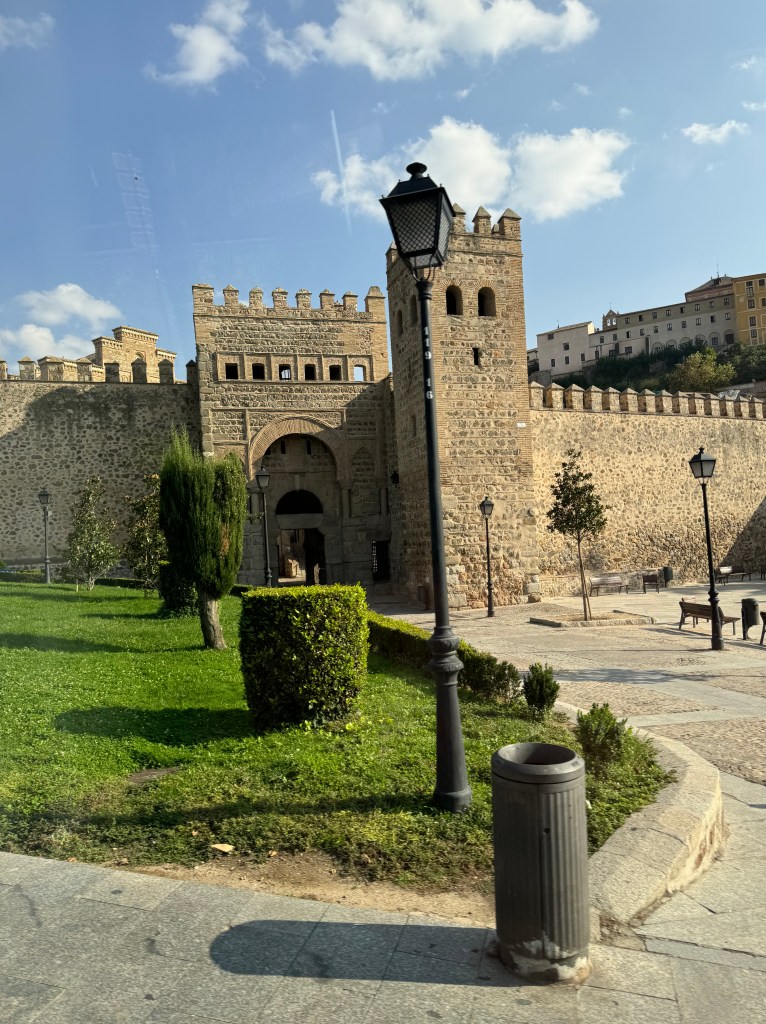
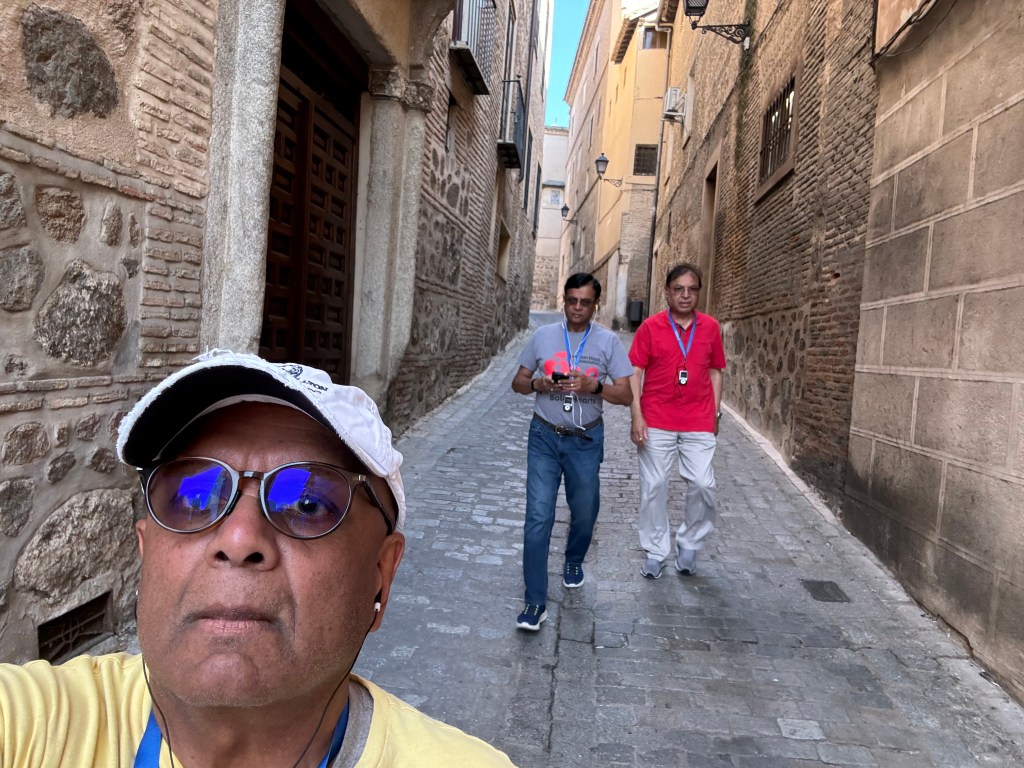
This walled hilltop city is a captivating UNESCO World Heritage Site, and depicted in the paintings of El Greco. Behind its daunting medieval walls, lies magnificent old stone buildings and a labyrinth of narrow, winding picturesque cobblestone streets that whisper the legacy of the past.
For centuries, Christians, Muslims, and Jews flourished in a “City of Three Cultures” and built a dazzling array of churches, Gothic cathedral, horse-shoe arched mosque, sephardic synagogue, Alcazar, and fortress in close proximity to each other.
Consuegra
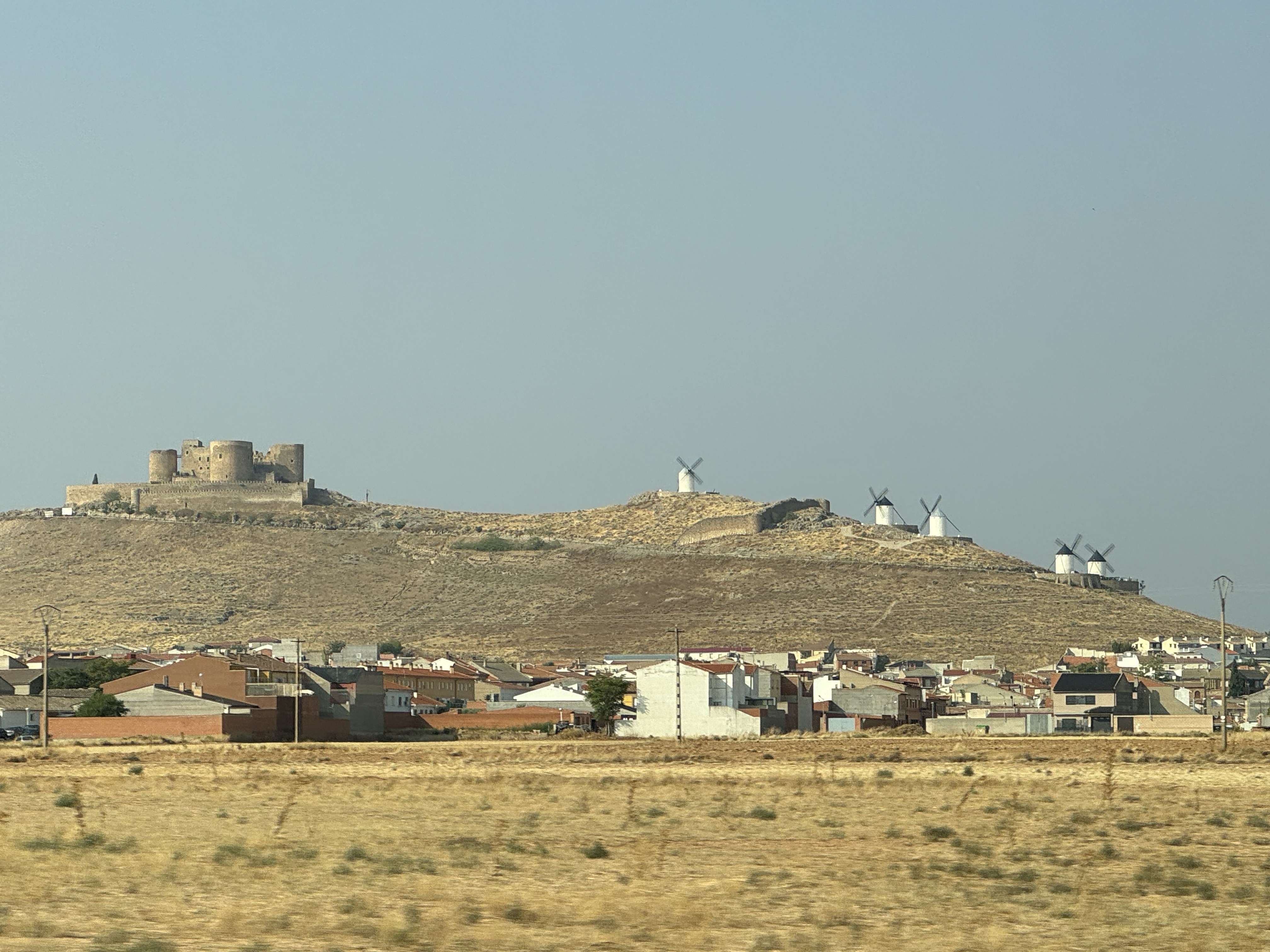
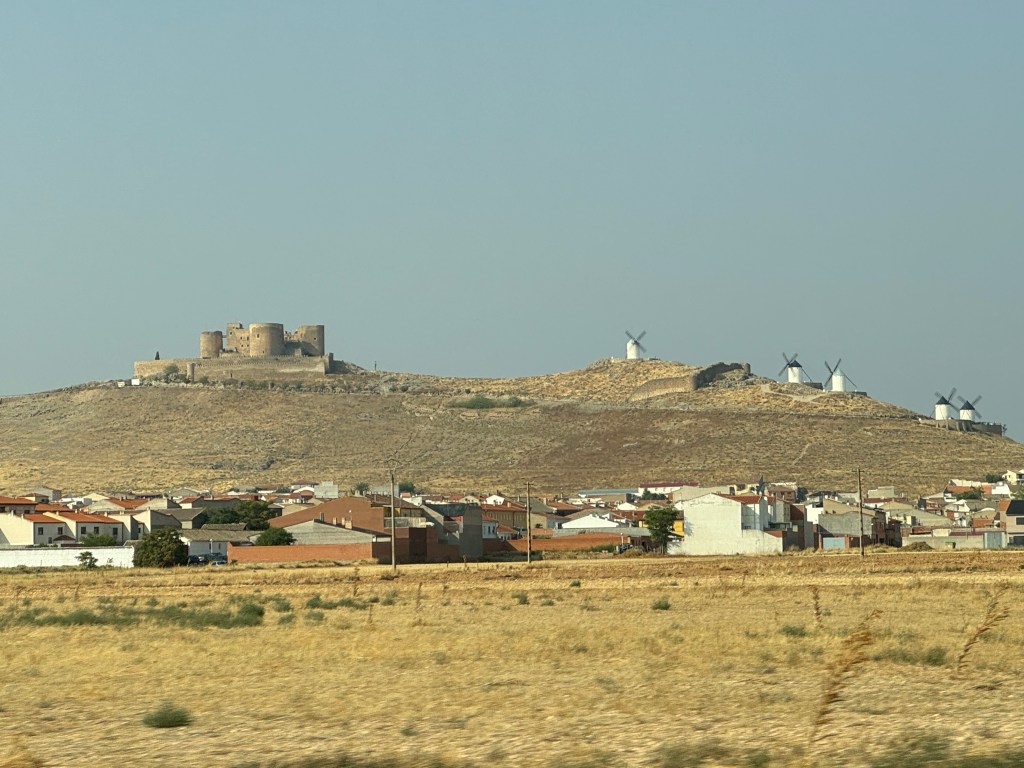
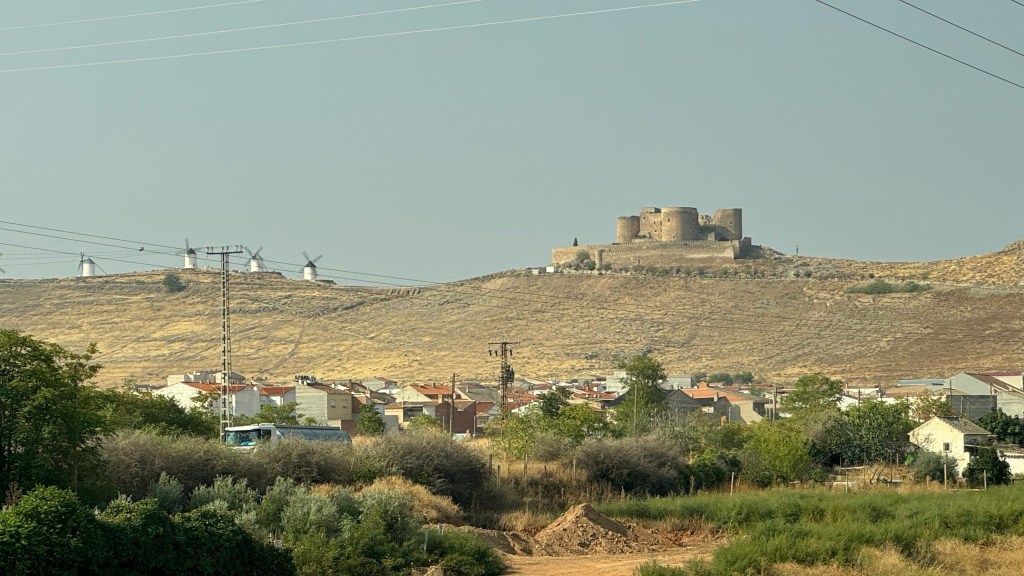
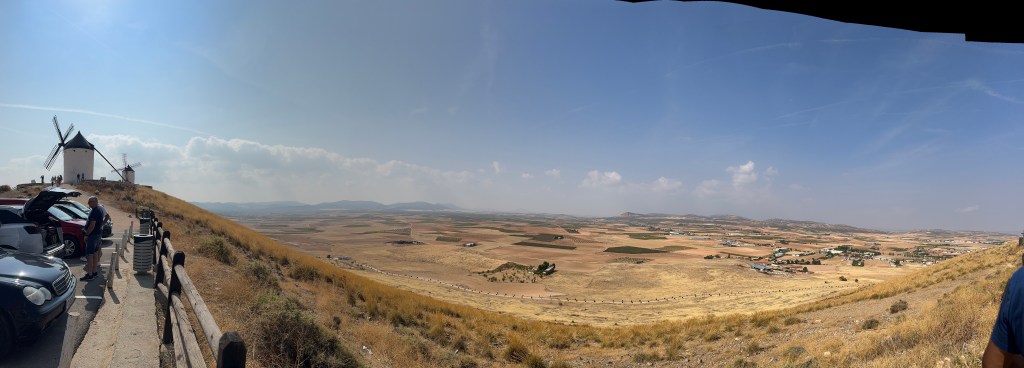
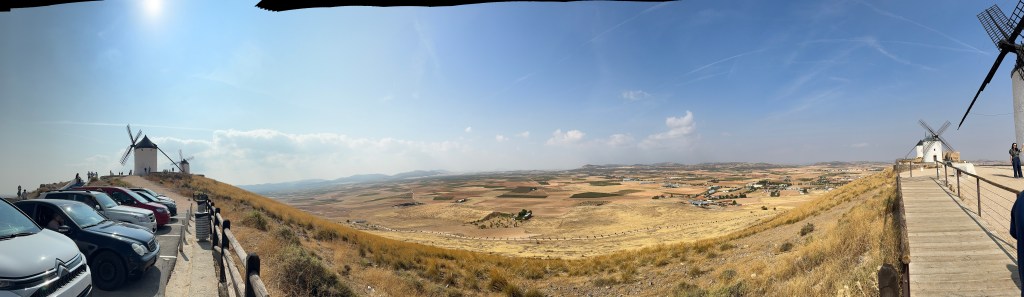
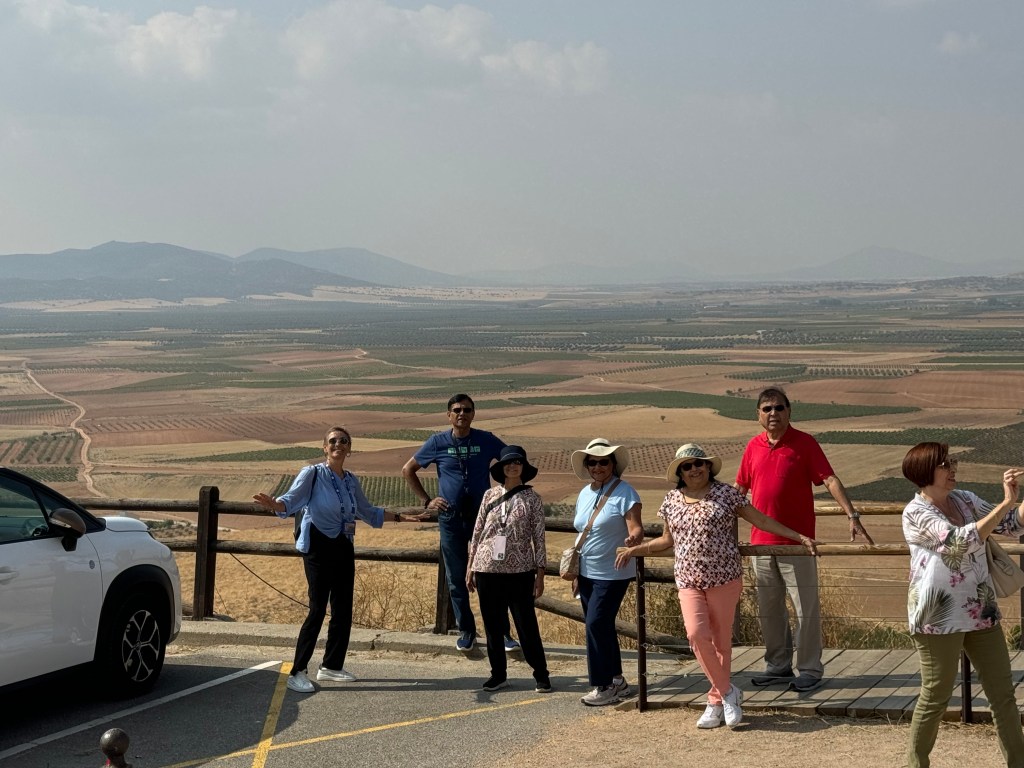
Consuegra is a small quaint town located on top of the Cerro Calderico mountain in the province of Toledo. It is located just south of Toledo, about 87 miles from Madrid.
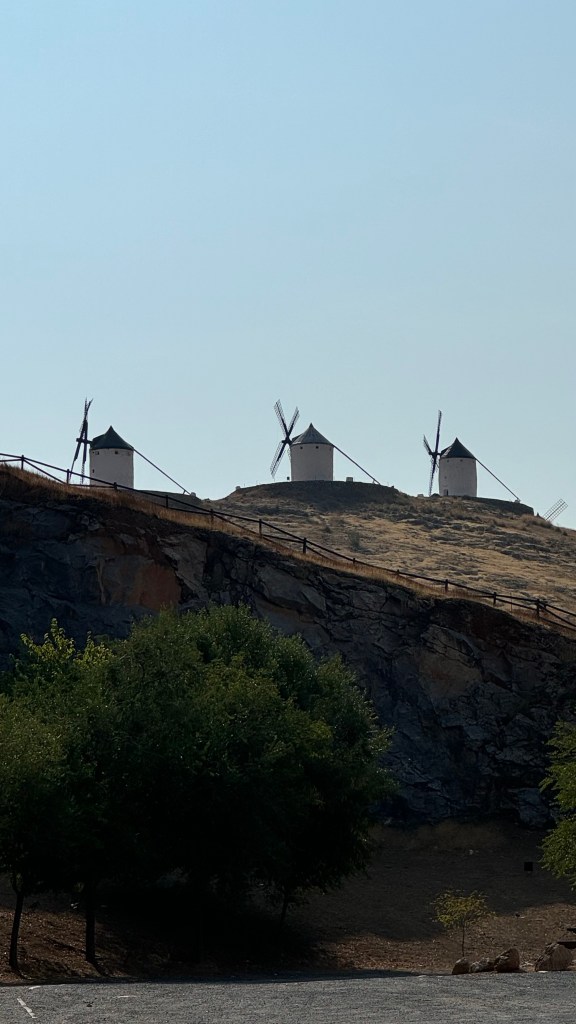
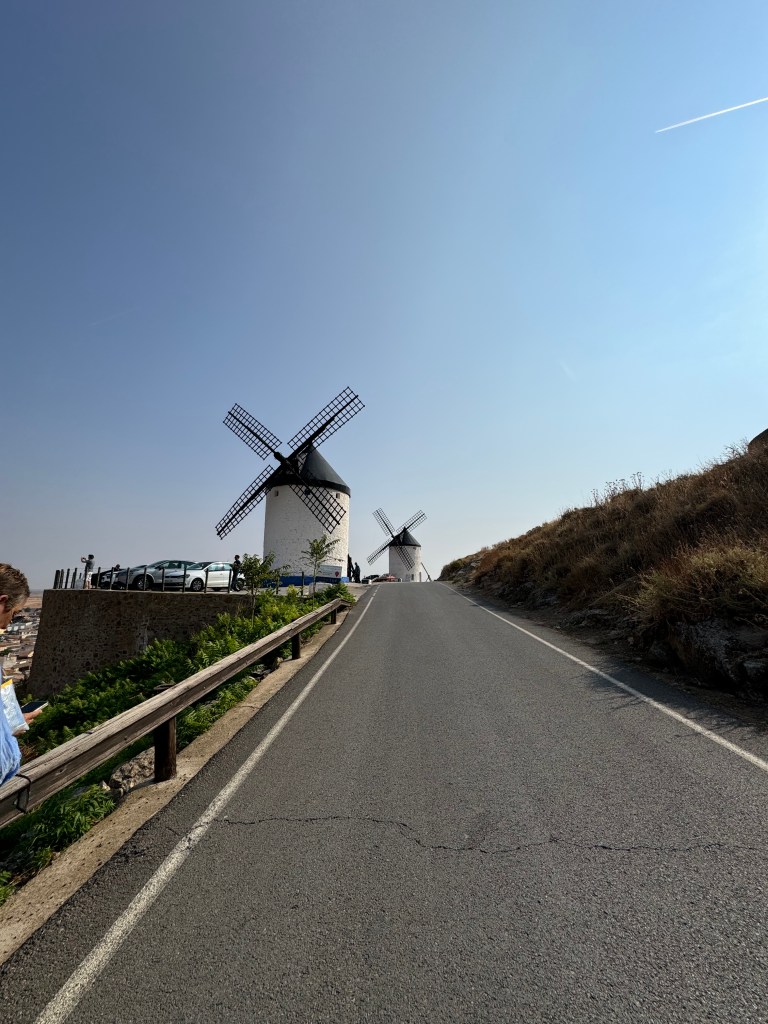
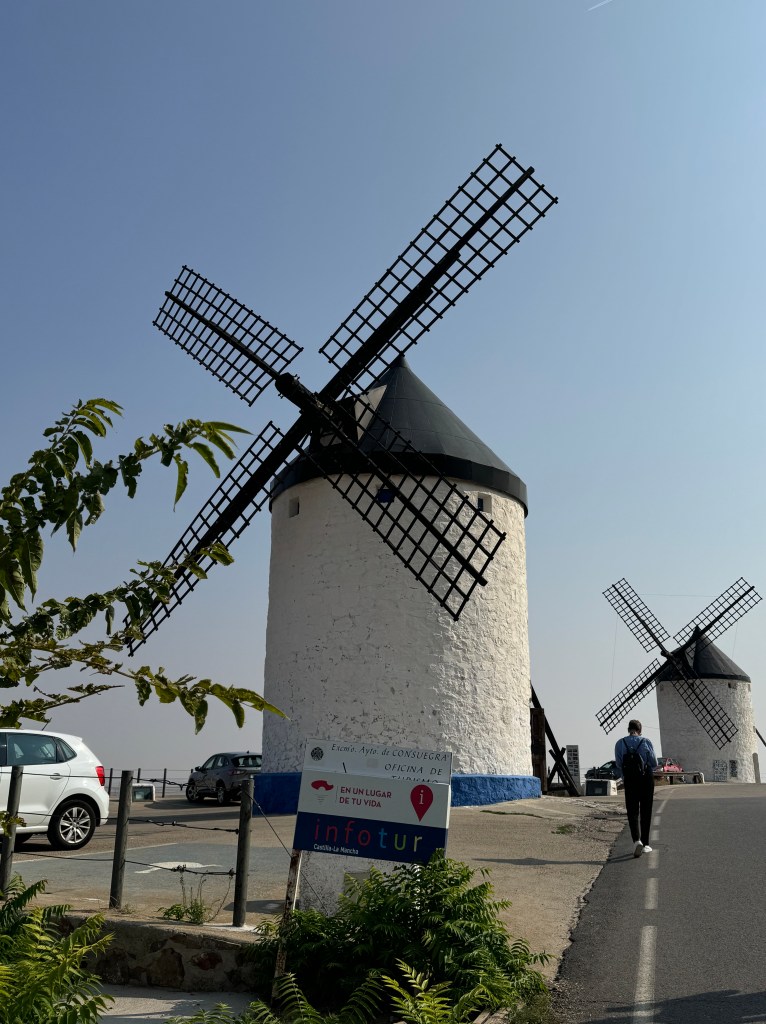
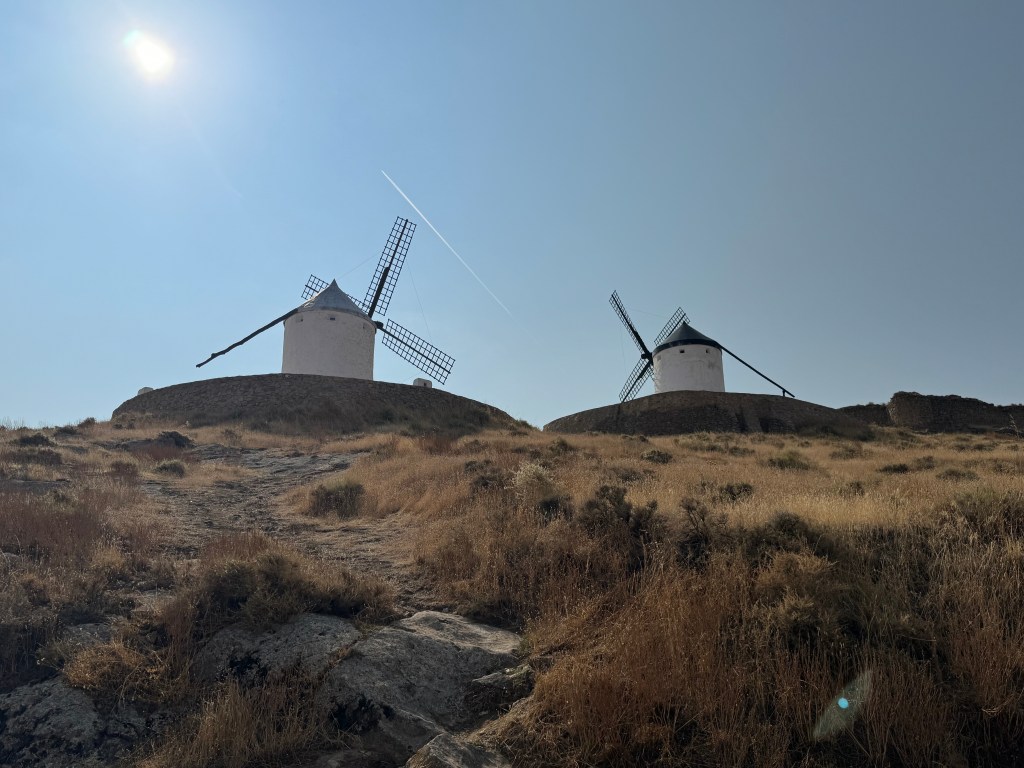
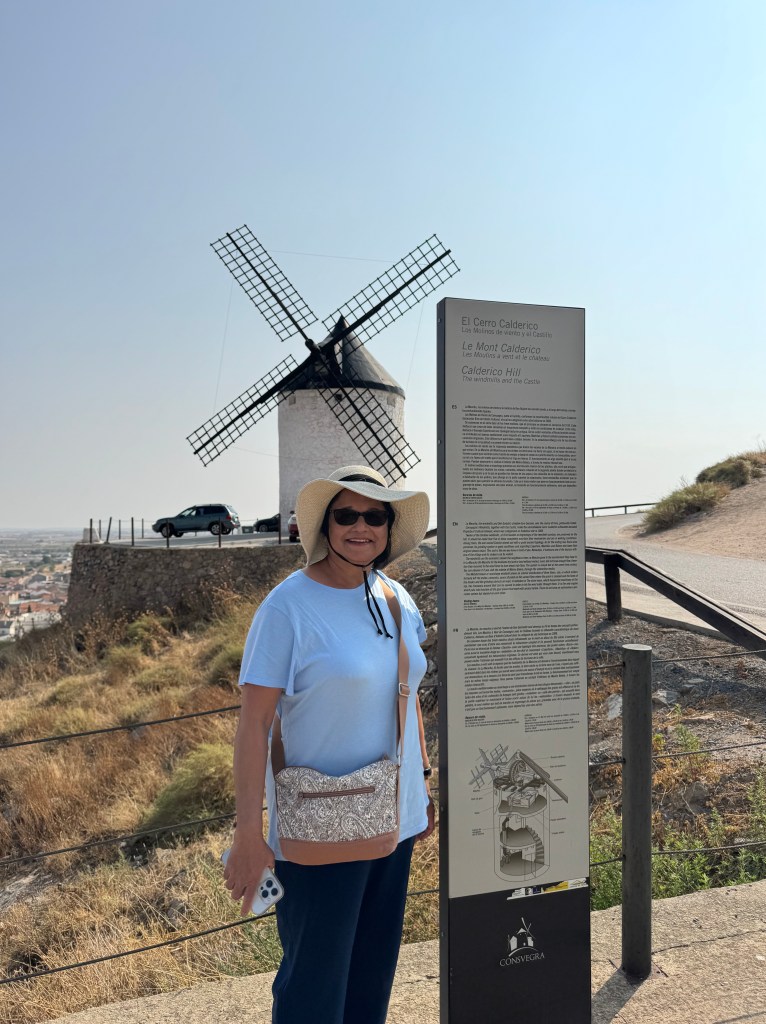
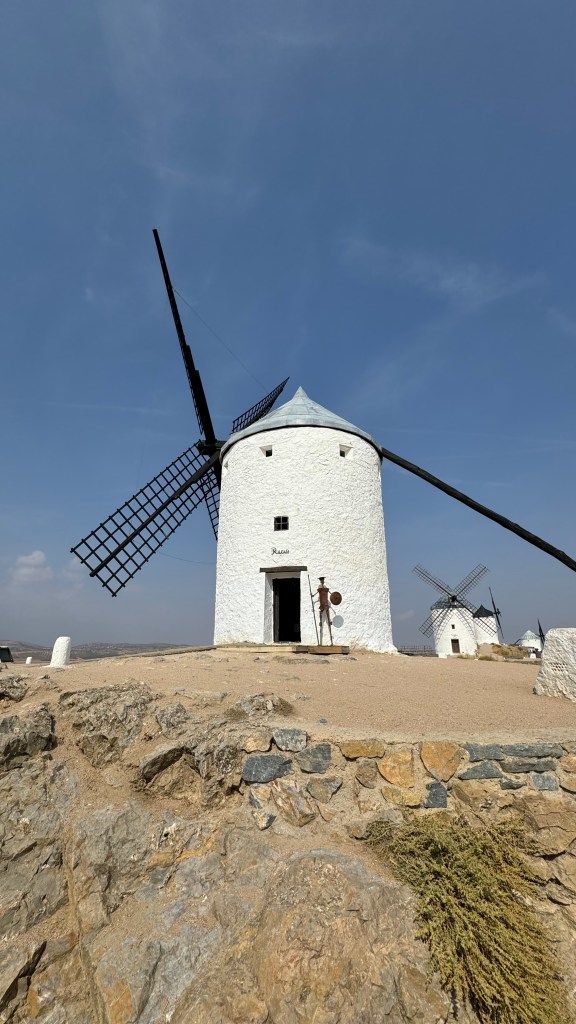
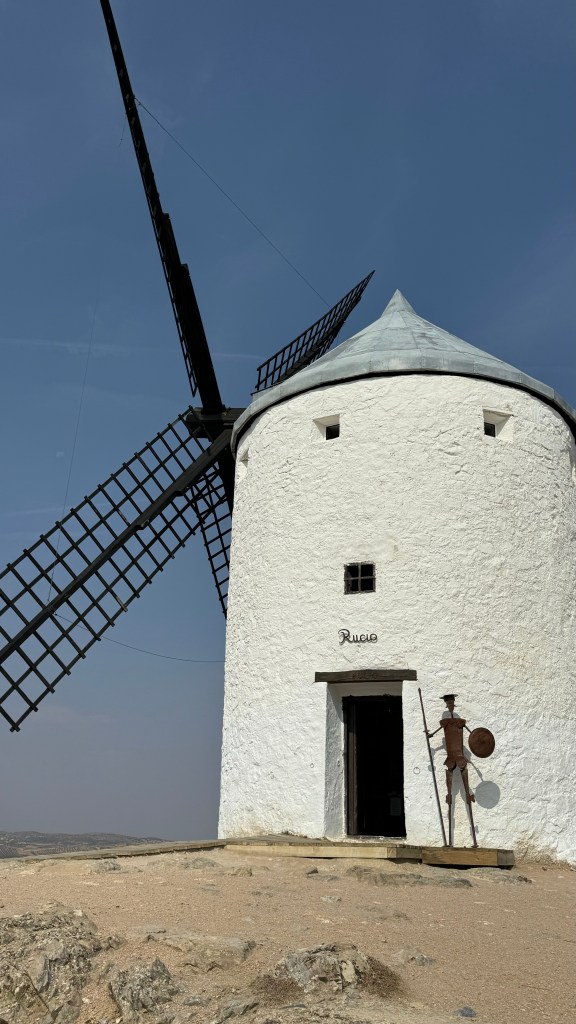
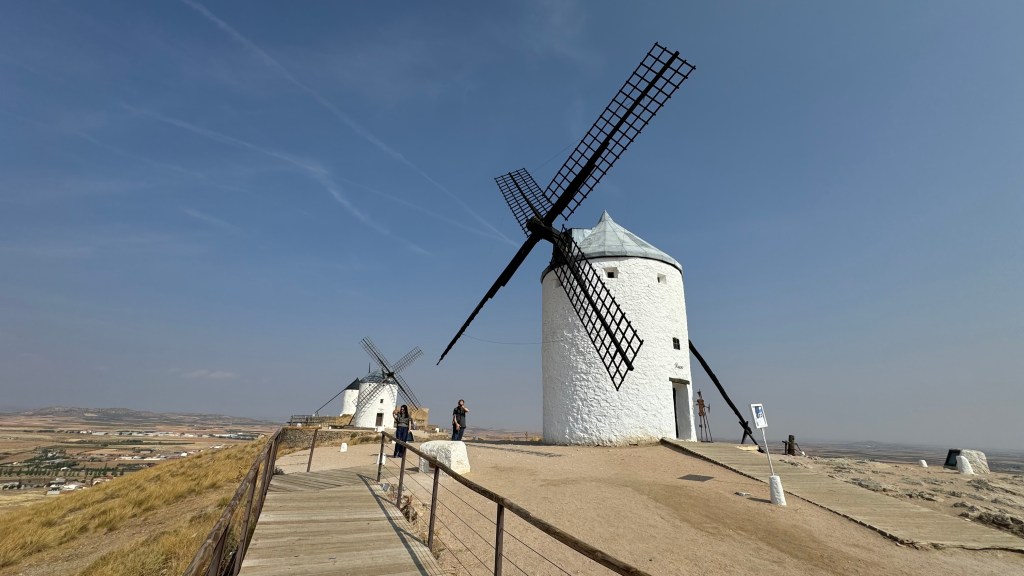
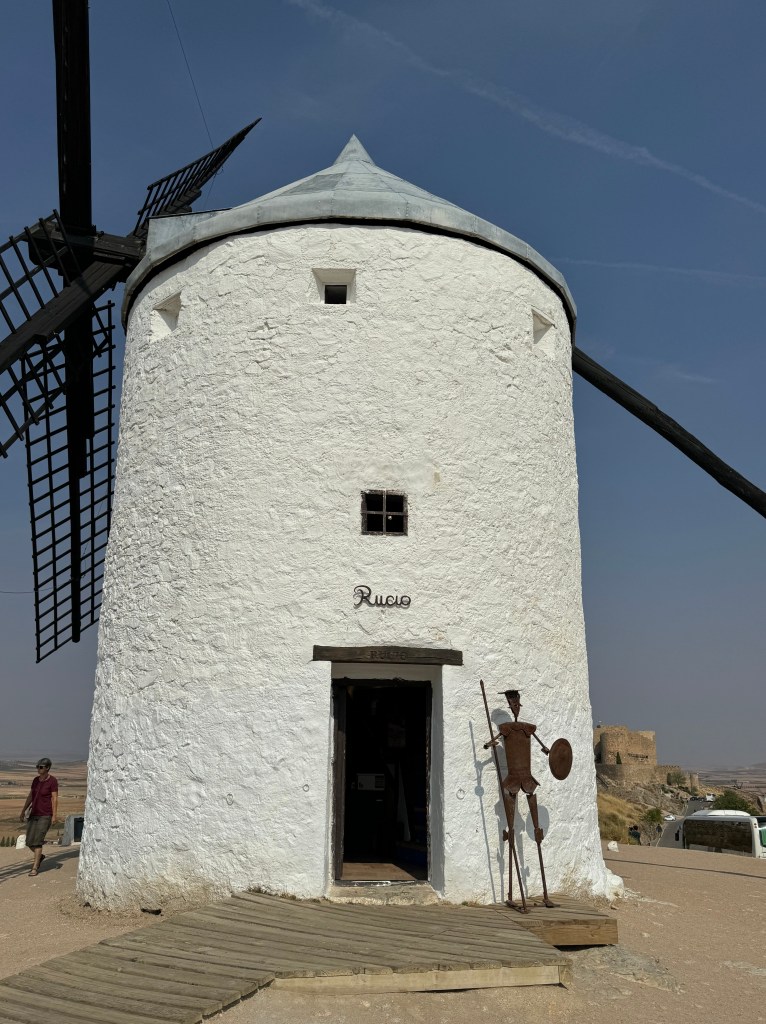
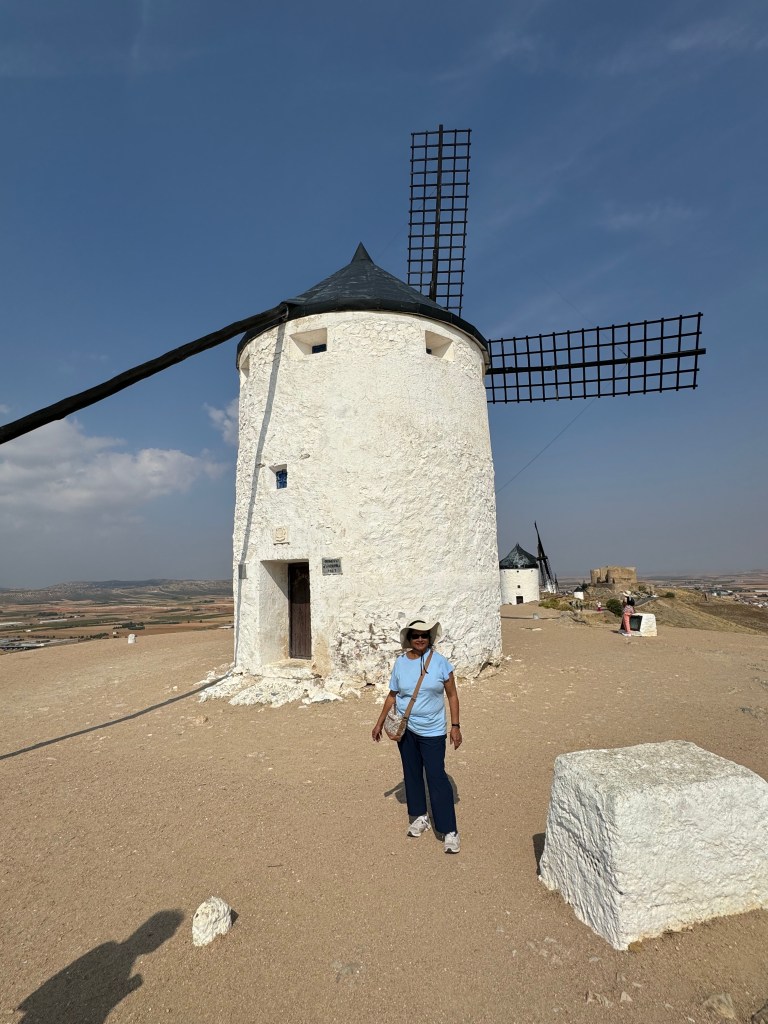
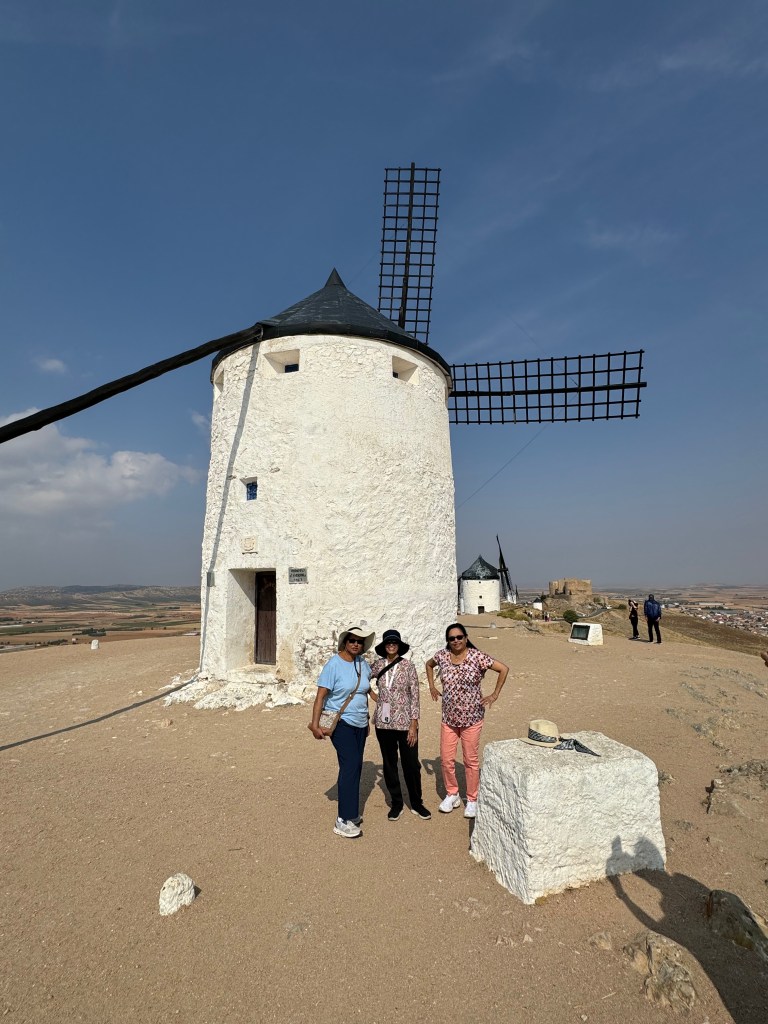
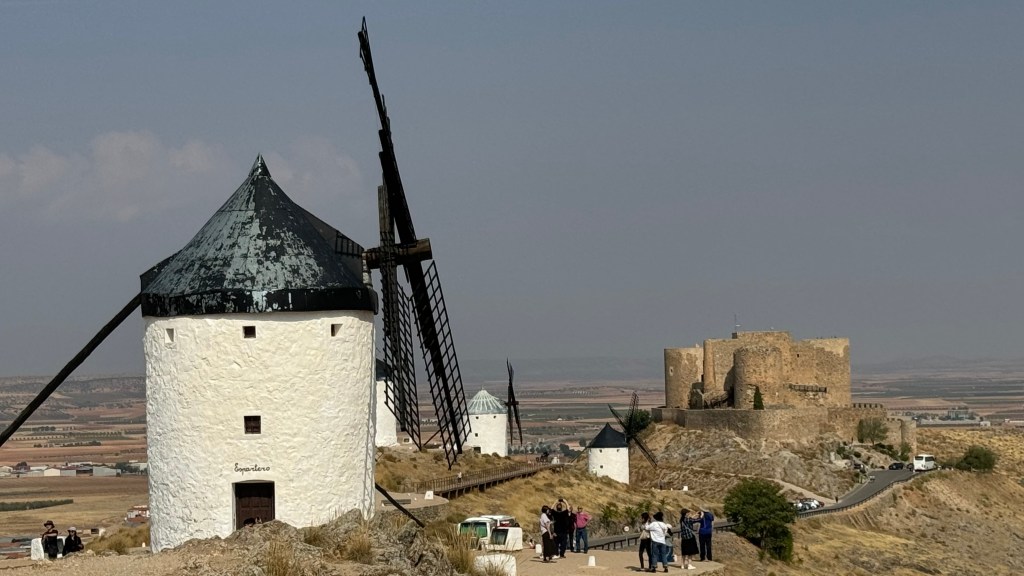
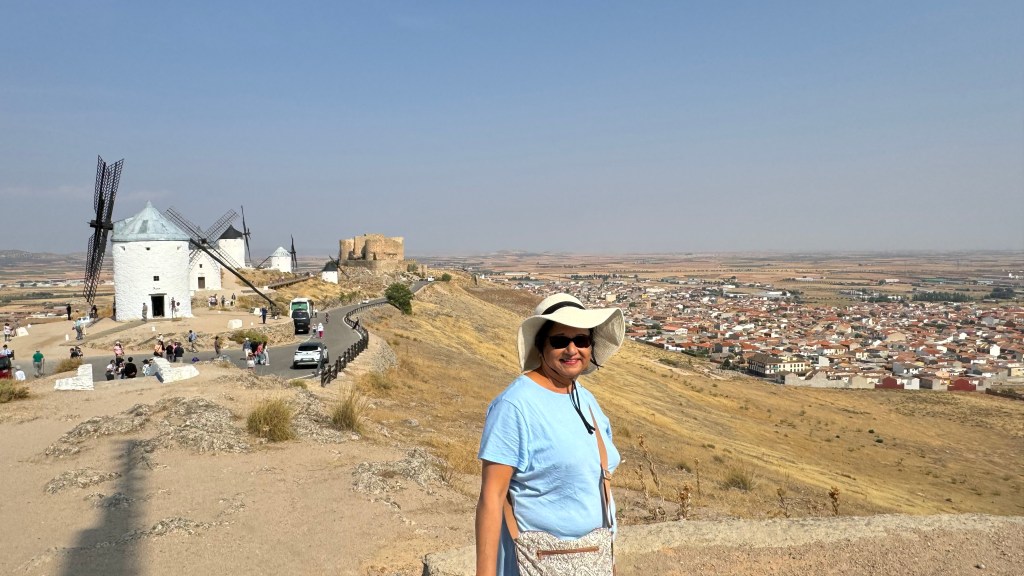
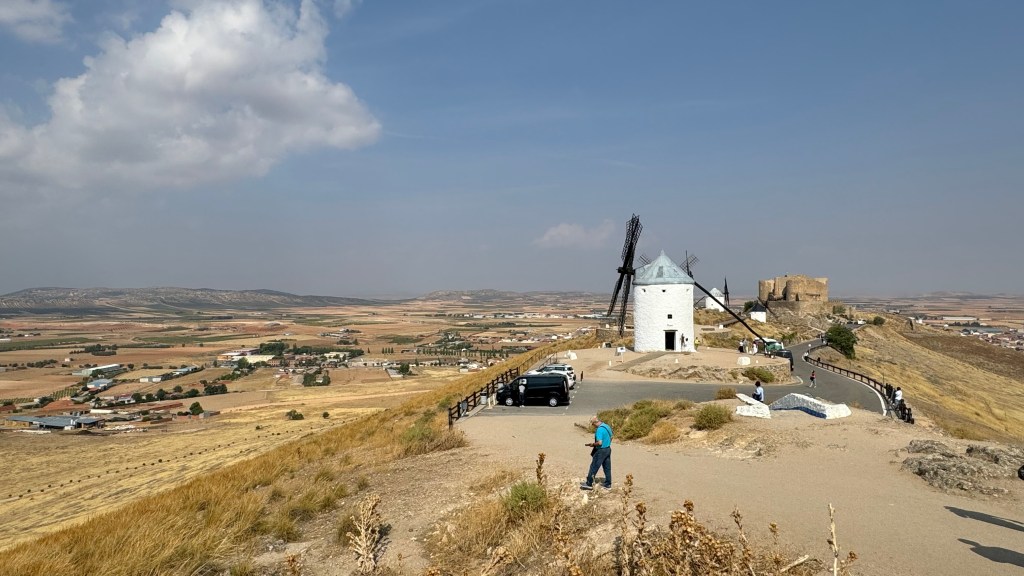
The town is famous for its extensive dry plains, vineyards, and most of all, the 12 white tower windmills which crown the hill, surrounded by the sprawling plains of Castilla-La Mancha and backdropped by a striking medieval castle. These iconic towers are believed to be the windmills described by Miguel de Cervantes in his famous 17th-century novel Don Quixote. They are known as the Los molinos de Consuegra, or the windmills of La Mancha.
Each of the Consuegra windmills has a unique name taken from the novel, in which Don Quixote mistakes the towers for giants and picks a fight with them in a particularly memorable scene that coined the term “tilting at windmills”.
They were built to grind grain, the mills were modeled on the Dutch windmills of the 16th and 17th centuries, with a cylindrical tower and conical deck where the shaft and its four rectangular blades are housed. The interior is divided into three floors connected by a staircase along the wall. On the lower floor is the silo, where the ground grain was stored. On the second floor, there is a sieve to separate the flour from the bran. The third floor, the largest, houses the machinery, with the most striking element being the “Catalina” wheel. In the upper part of the wall, eight windows were opened to help the miller determine the direction of the wind and thus the orientation of the blades.
The tower mills were passed down through the generations until being retired in the 1980s. Twelve of the original 13 mills were restored and opened as a tourist attraction.
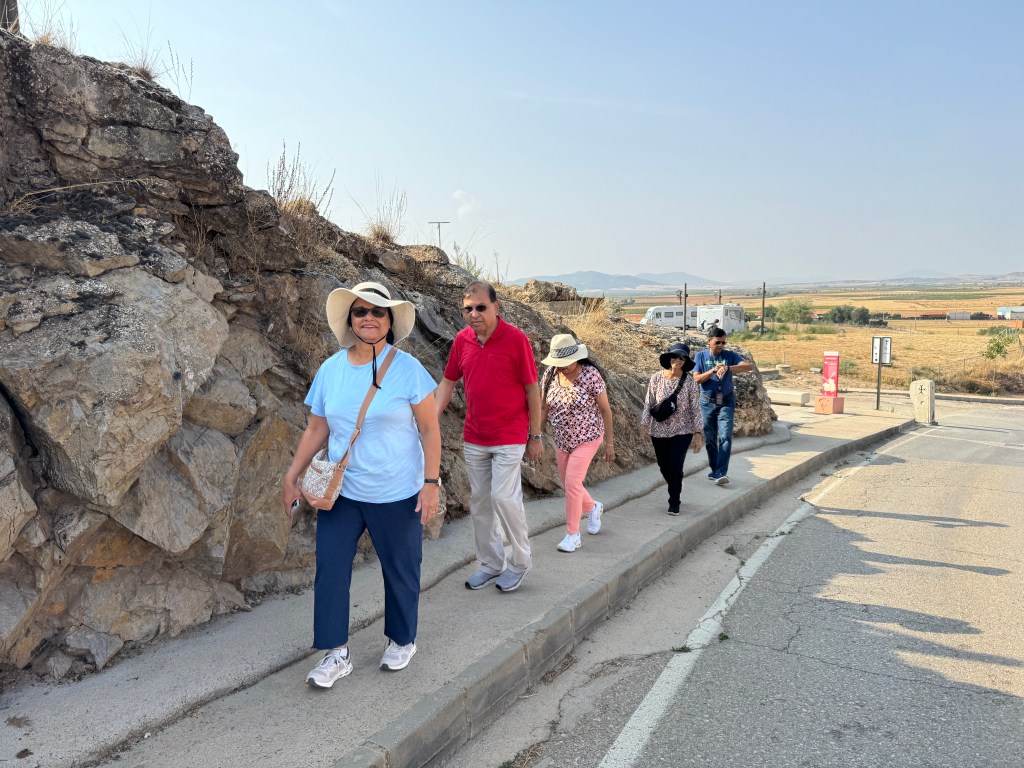
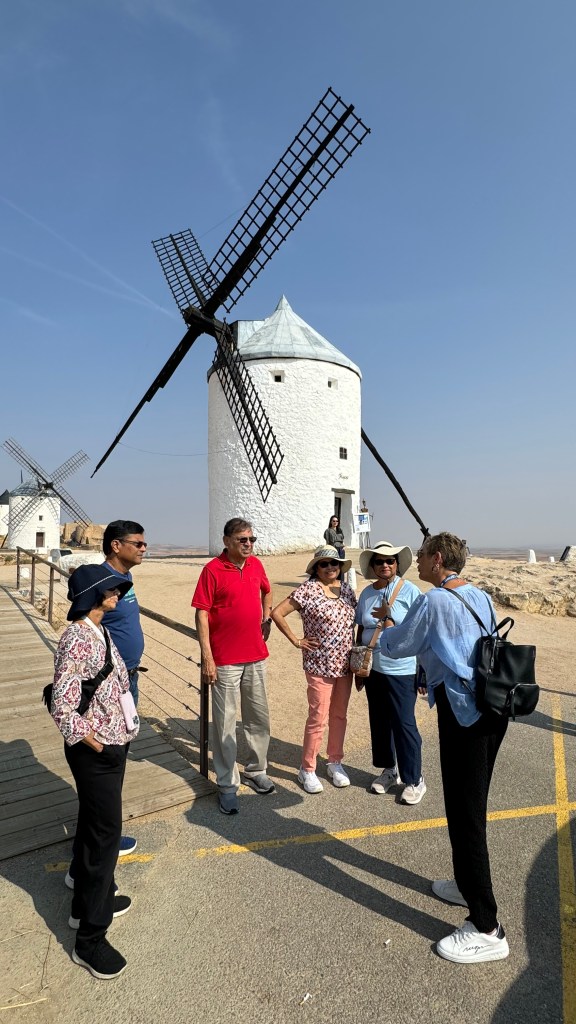
The main attraction was the slow, enchanting walk up the hill to the giant windmills, and enjoying the surrounding landscapes of La Mancha.
And this was topped off by a wonderful lunch in the town, at a local family run restaurant. The chef went all out making a number of veggie dishes, local cheeses, with freshly baked local bread, olives, olive oil, and their local red tempranillo wine. It was a pure delight, and had little too much of everything.
On the ride back to Madrid, whilst taking a siesta, I was transported back to the land of La Mancha and the world of Don Quixote, and feasting on the local cheeses, wine, and olives.
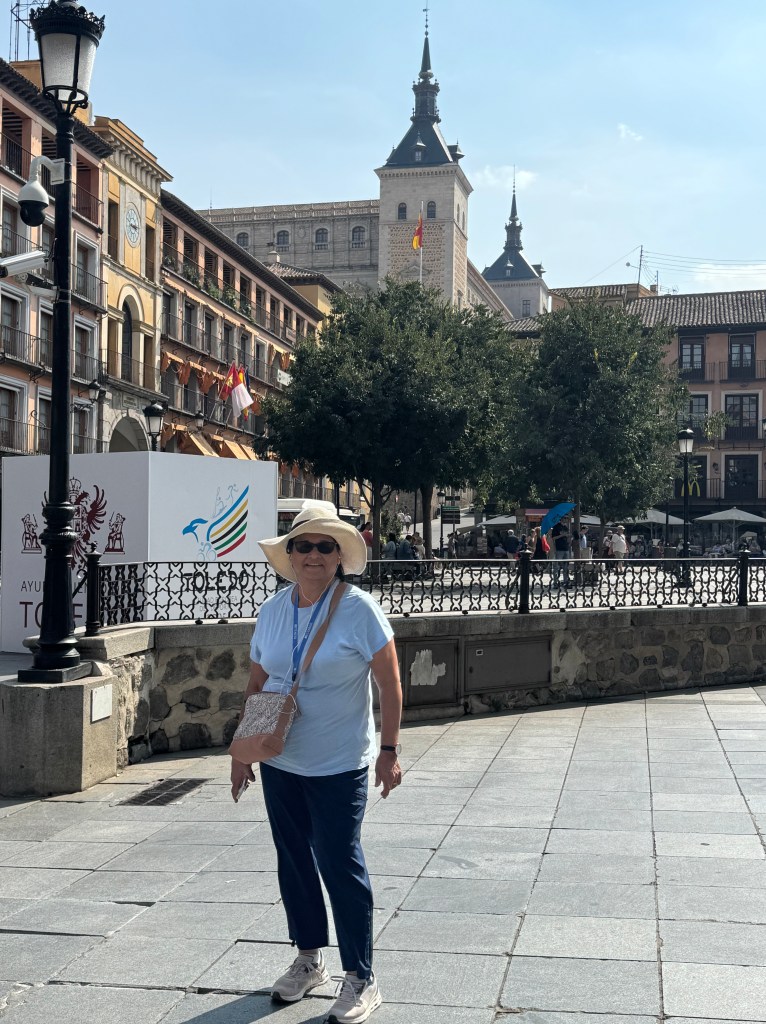
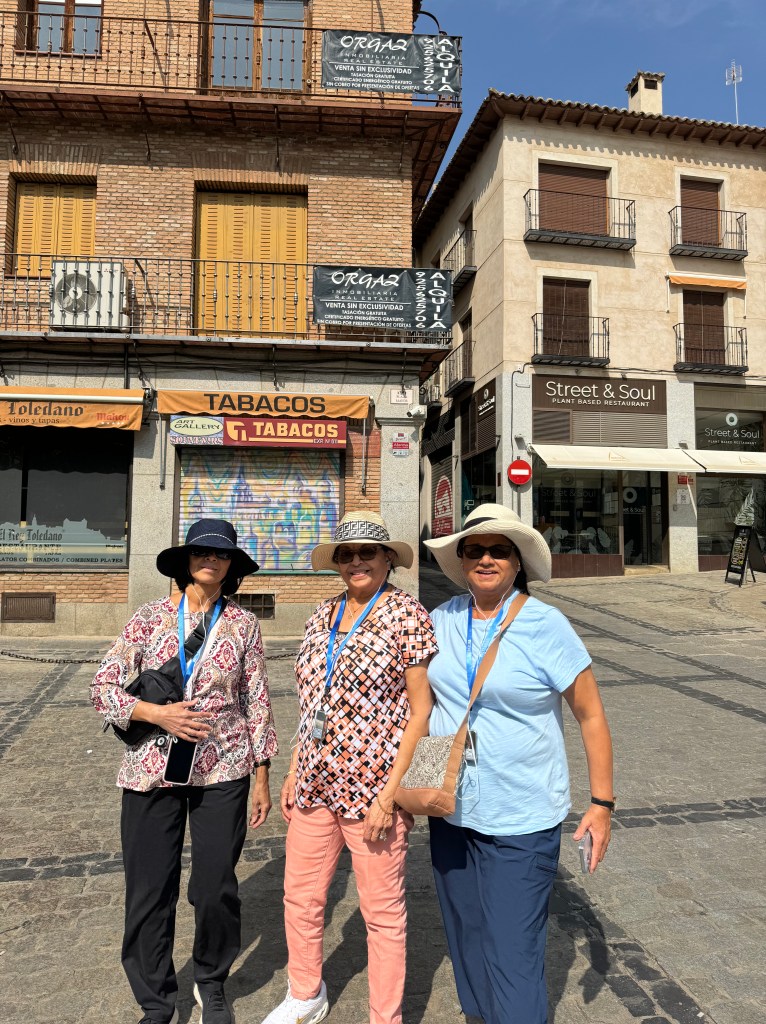
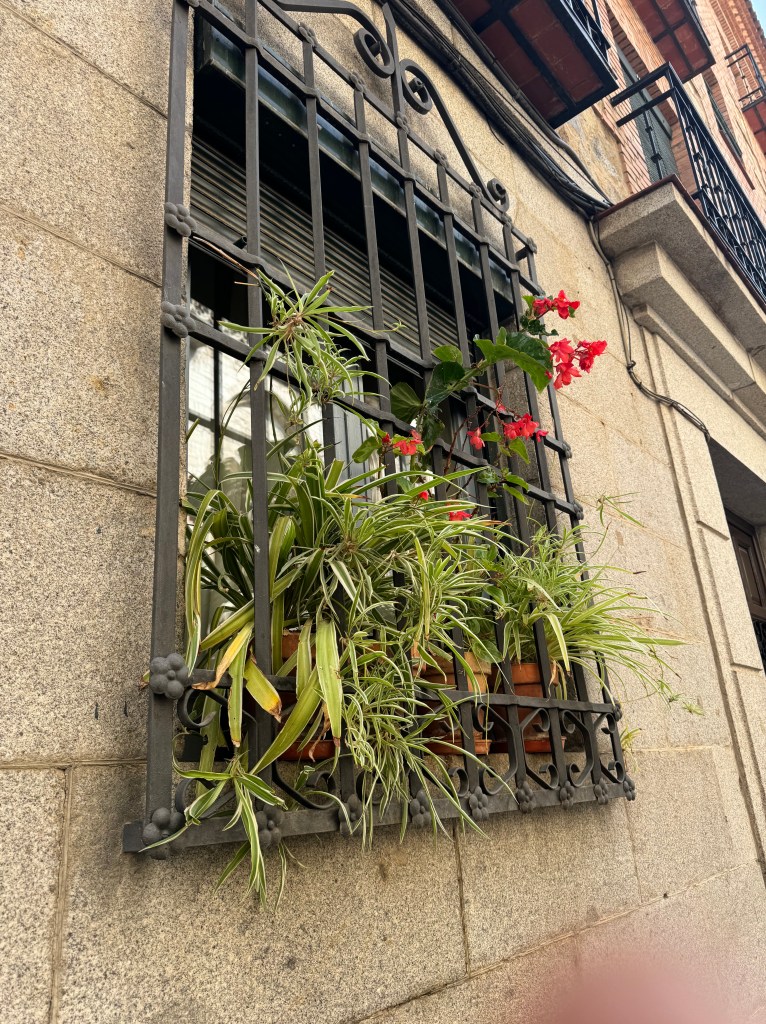
Toledo pics …








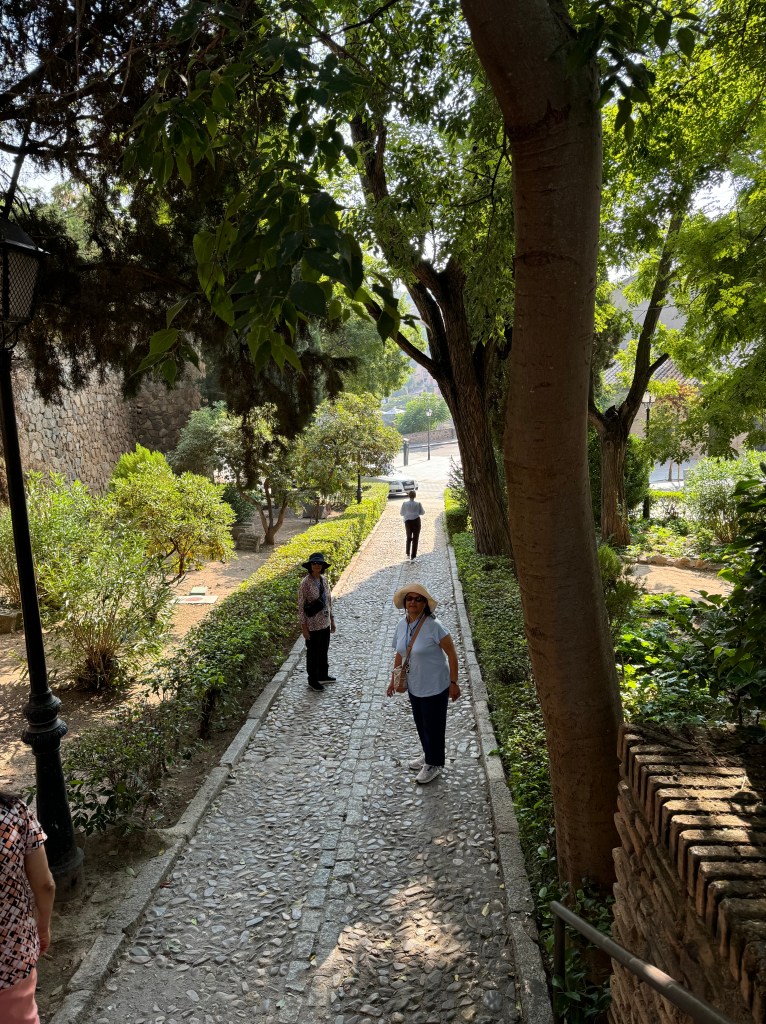
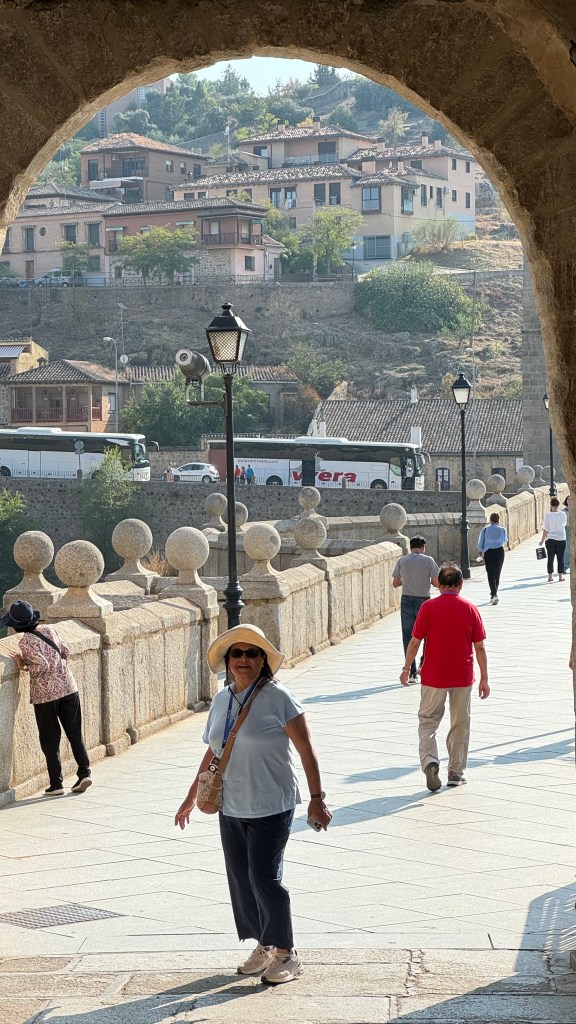
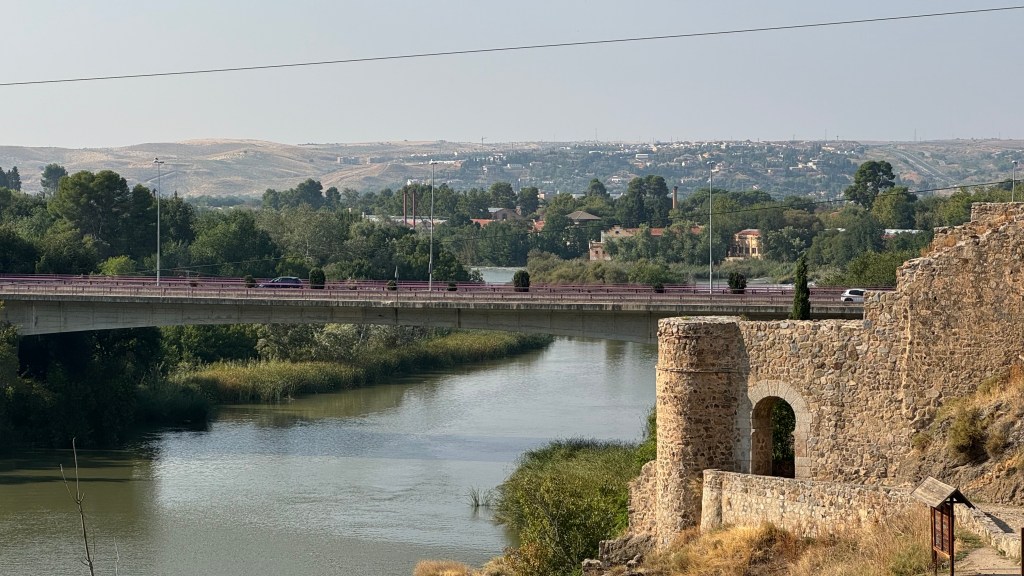
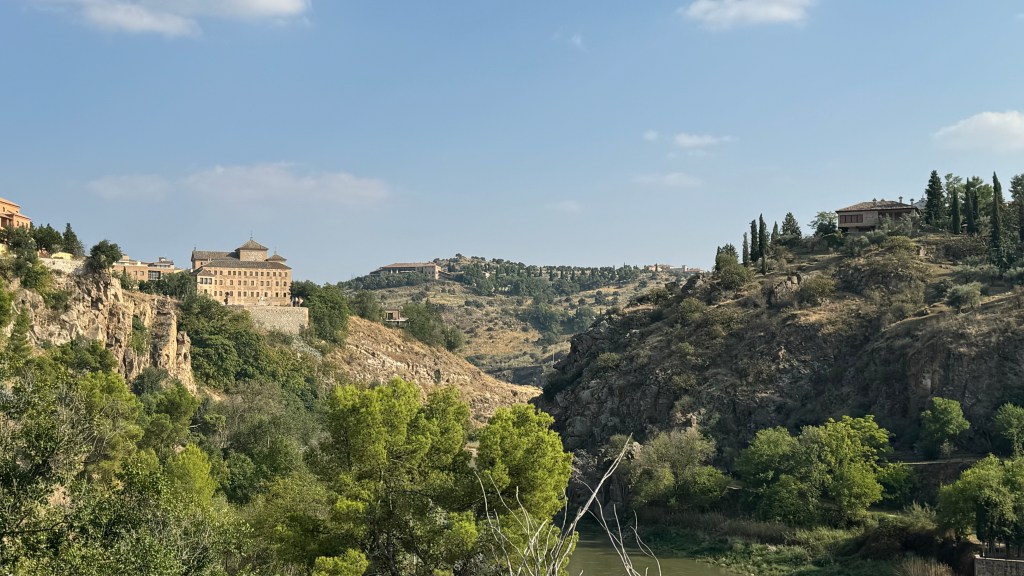

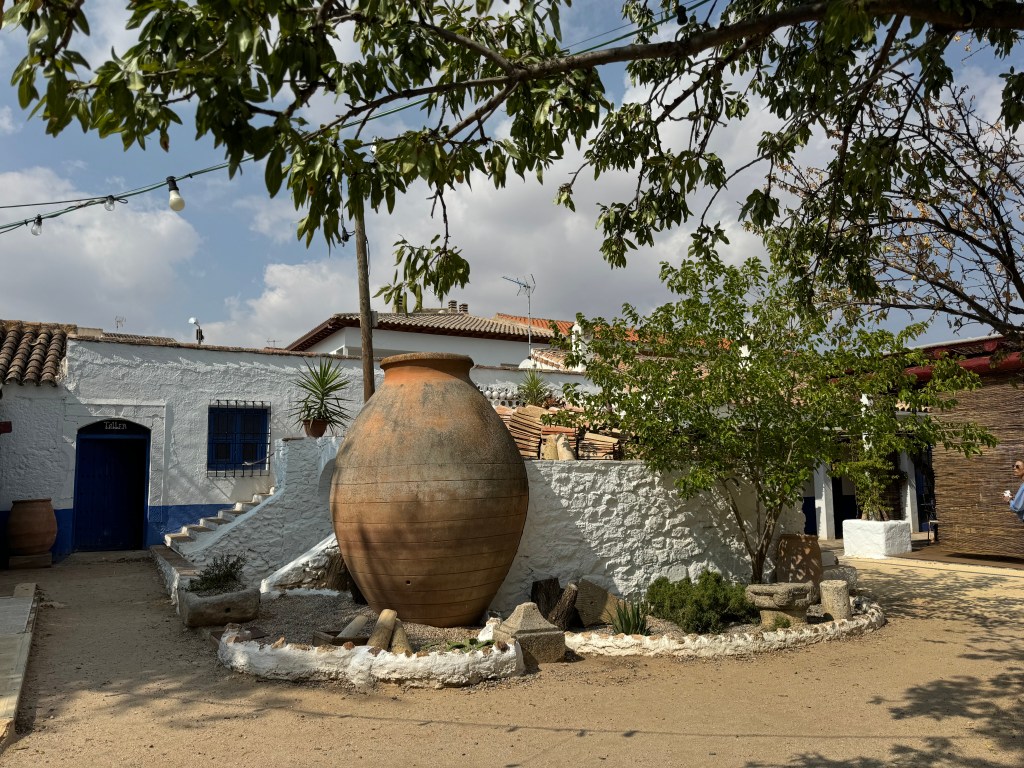
Consuegra pics …













Global Travel Blog; Global Travel Blogger; Travel and Blog; Travel & Blog; Travel Blogs; One Life Many Travels means One Life Many Trips; One Life Many Journeys means One Life Many Memories; One Life Many Journeys means One Life Many Experiences; One Life Many Journeys means One Life Many Moments; One Life Many travels means One Life Many Adventures; Small Group tour; Private Small Group tour; Custom Small Group tour; Bespoke small group tour; Global Small Group tour
Leave a Reply