
Portugal is a country where tradition and modern life blend seamlessly. Welcoming atmosphere greets you in cities, towns, and charming villages. Stunning landscapes and dramatic coastlines offer breathtaking views at every turn. History comes alive in ancient streets and storied landmarks. Each moment in Portugal highlights enduring beauty and charm.
A historical perspective
After our 2024 Spain trip, I felt a strong pull towards visiting Portugal, having learned about its Age of Discovery in high school.
- Portuguese explorers pioneered sea routes along the African coast, across the Atlantic, and into Asia, fundamentally expanding global knowledge and trade.
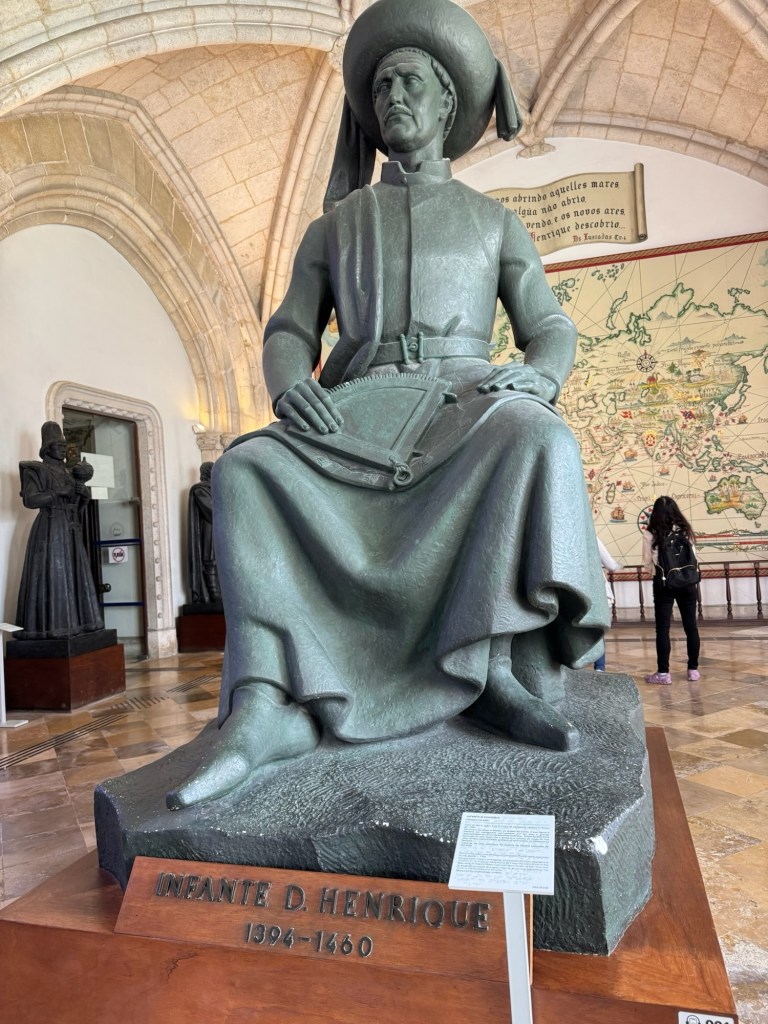
- Prince Henry the Navigator established a navigation school in Sagres, fostering advances in shipbuilding, navigation, and cartography. His support led to the discovery of Madeira and the Azores, and enabled expeditions down the African coast.
- Gil Eanes was the first to round Cape Bojador (Western Sahara, part of Morocco) in 1434, breaking myths about the dangers beyond and opening further exploration of Africa.
- Bartolomeu Dias rounded the Cape of Good Hope (located at the southern tip of the Cape Peninsula in South Africa, approximately 50 kilometers south of Cape Town) in 1488, paving the way for a sea route to India.
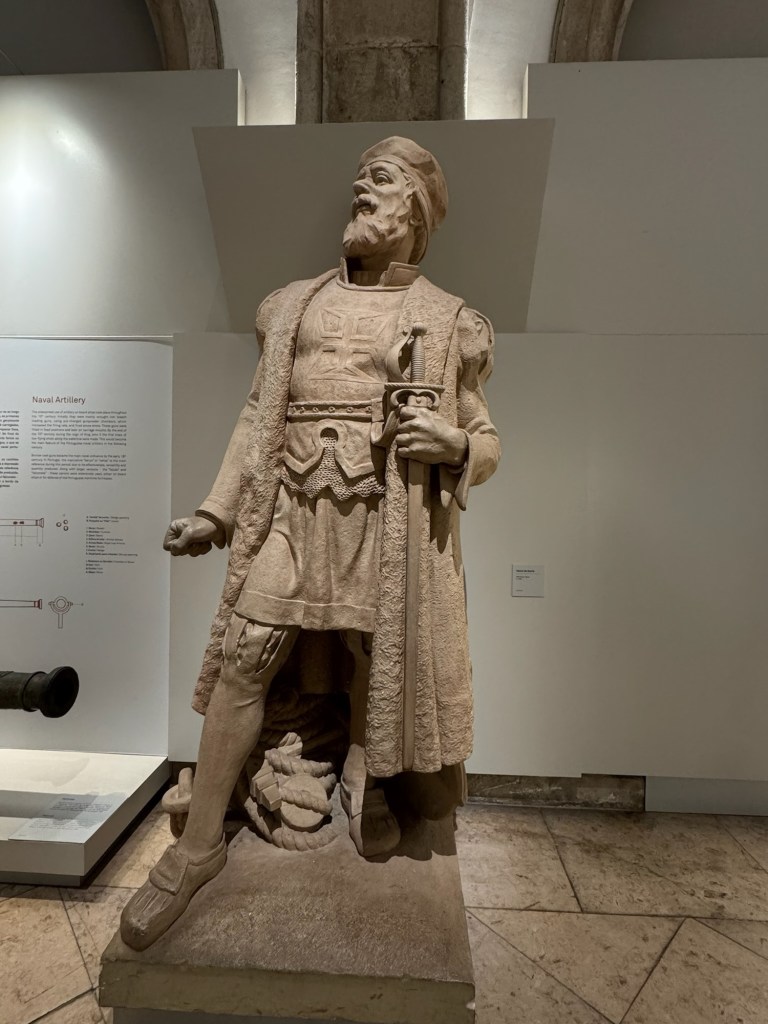
- Vasco da Gama reached India in 1498, establishing direct trade between Europe and Asia.
- Pedro Álvares Cabral landed in Brazil in 1500, claiming it for Portugal.
- Afonso de Albuquerque expanded Portuguese influence in the Indian Ocean by conquering Goa in 1510.
- Jorge Álvares was the first European to reach China by sea, leading to Macau.
- Portuguese navigators (1543 onward) were the first Europeans to reach Japan.
- João da Gama explored northern Japan and beyond from Macau.
- This era brought immense wealth and cultural influence, but also competition and conflict with other European powers.
- Portuguese exploration was fueled by economic ambition (seeking spices, gold, and new trade routes), religious zeal, scientific curiosity, and the pursuit of national prestige.
Trip Planning
After our wonderful Spain trip planned by Luis and winetourismspain.com, I contacted him again about planning Portugal travel.
- An aside, they offer much more than just wine related itineraries. The name creates confusion, and also some consternation, with those who may not care about visiting wineries.
- Luis is wonderful to work with. He is engaging, courteous, very knowledgeable and passionate about his tradecraft, and very patient with the likes of me.
This time our small travel group was just two couples. The eleven day itinerary was customised to our interests.
Travel, for us, is no longer a checklist of sights. It’s about slowing down, focusing on a few special places, and giving ourselves the luxury of time to truly experience each one, all within a schedule that feels just right.
Our itinerary – 11 days / 10 nights
- Lisbon … 3 nights
- 1st day … Arrive in the morning; Relax; Fado show in the evening.
- 2nd day … Tour of Lisbon – in the morning and afternoon.
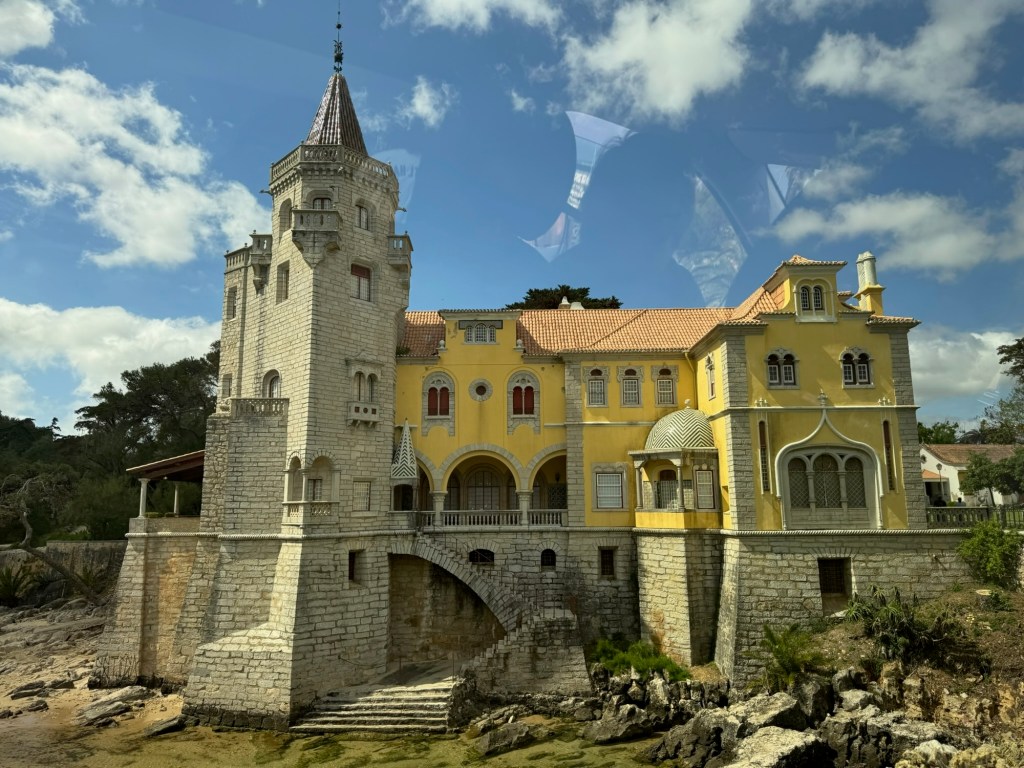
- 3rd day … Visit Sintra, Cascais, Estoril, and Cabo da Roca.
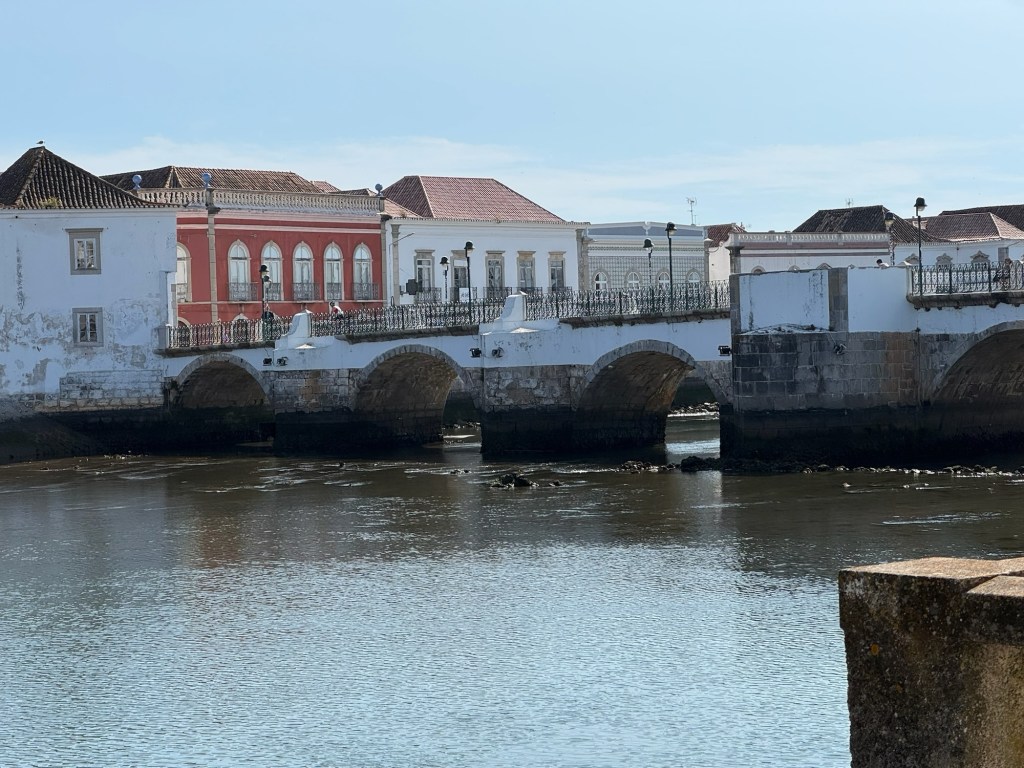
- 4th day … depart Lisbon for Algarve / Tavira via Evora and Silves – with stops for olive oil tasting at Lagar do Marmelo, Arvad winery visit and tasting, and lunch at Restaurante Ponte Romana.
- Algarve – Tavira … 2 nights
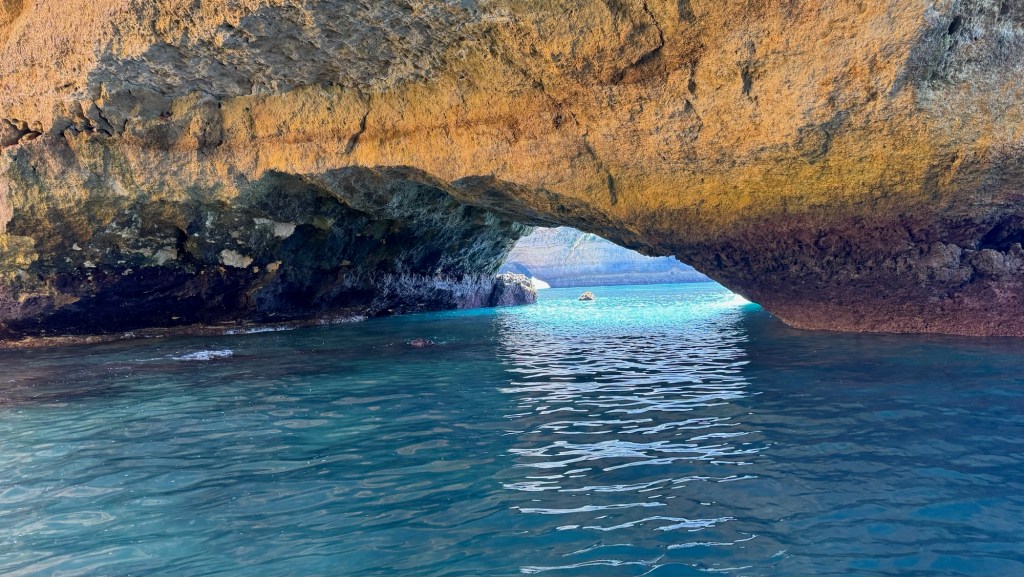
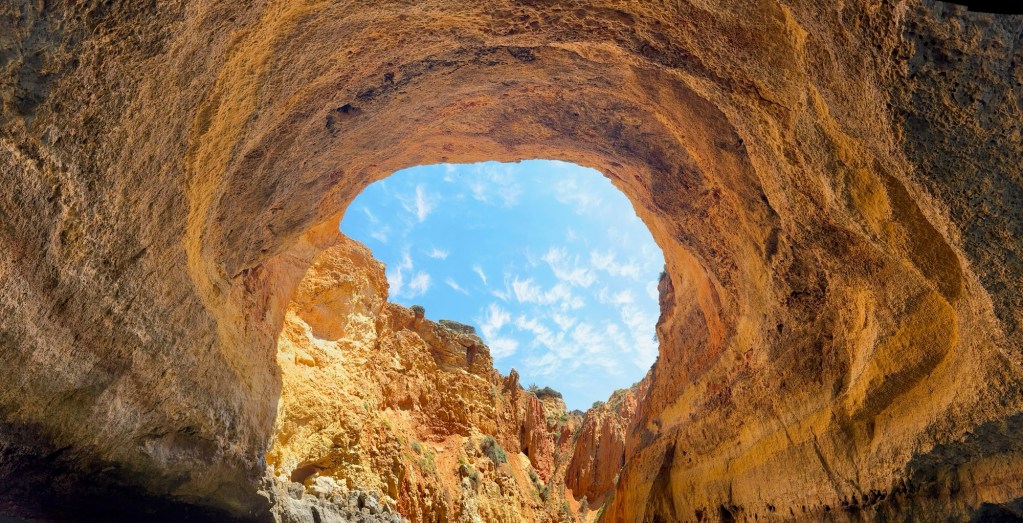
- 5th day … Benagil cave tour
- 6th day … depart Tavira for Obidos via Evora – with stops for Fitapreta winery visit & tasting, such at Restaurante Lombardo, and half-day tour of Evora
- Obidos – 1 night
- 7th day … depart Obidos for Porto via Nazaré and Aveiro – with stops in Nazare, lunch at Raiz in Aveiro, and half day tour of Aveiro
- Porto – 4 nights
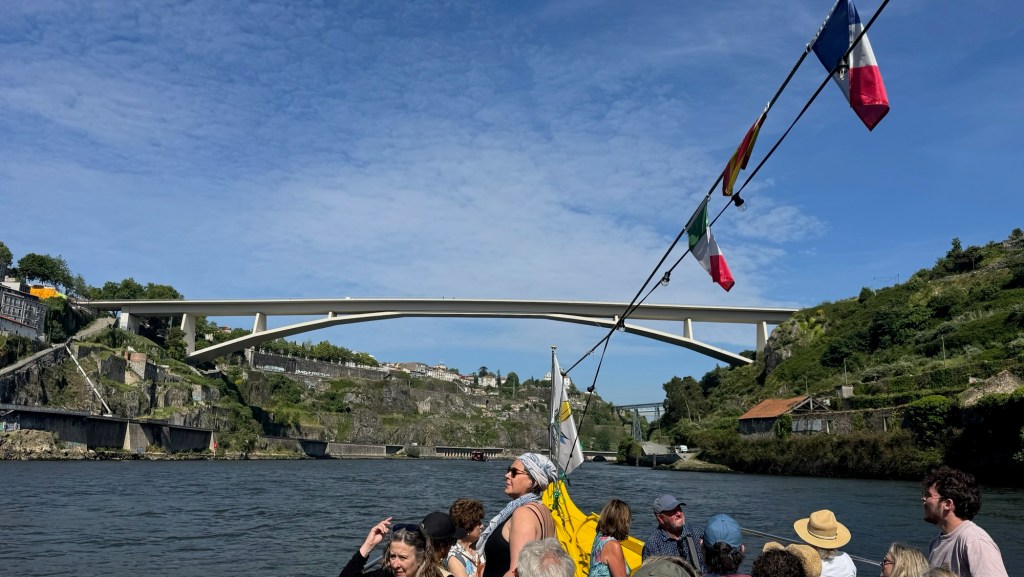
- 8th day … Full day tour with stops for port tasting at Cockburns, lunch at Brasao Salgueiros, and boat cruise
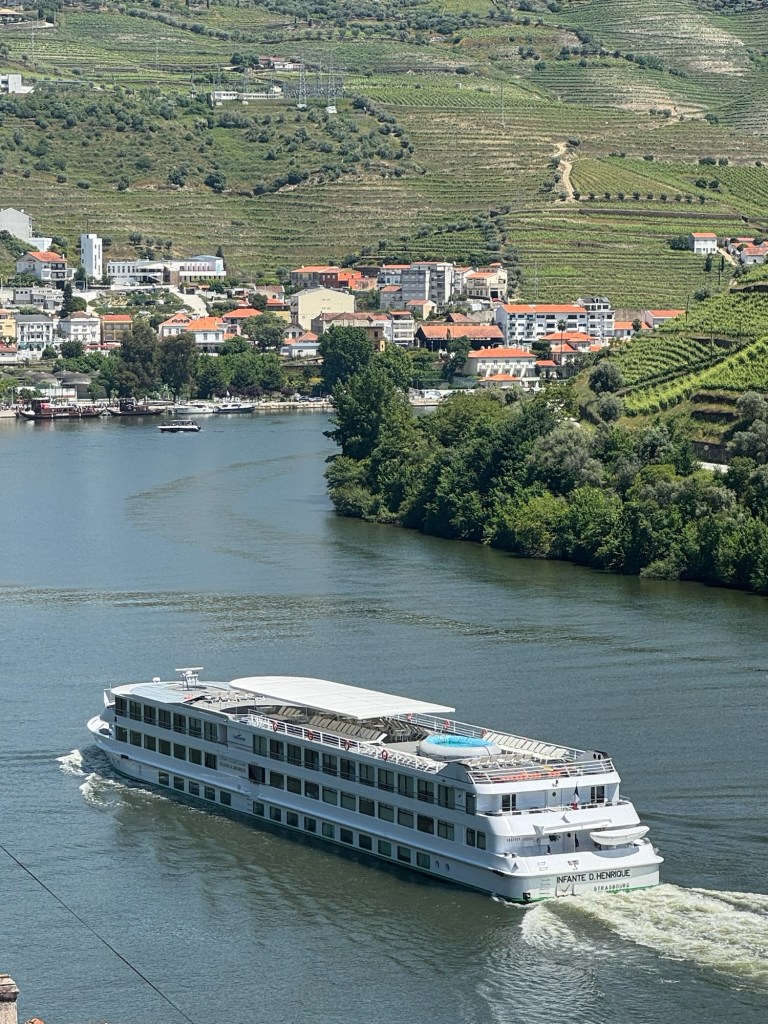
- 9th day … Full day tour of the Douro Valley – with stops at Quinta de Covela for winery visit and tasting, Quinta de la Rosa for winery visit, tasting and lunch, and Rabelo boat ride on the Douro river
- 10th day …Full day tour of Braga and Guimaraes
- 11th day … depart for home!
Highlights by Location
The following lists key sightseeing places by location, based on my preference. Whilst we would like to have visited every place in each location, it was not feasible given our time constraints.
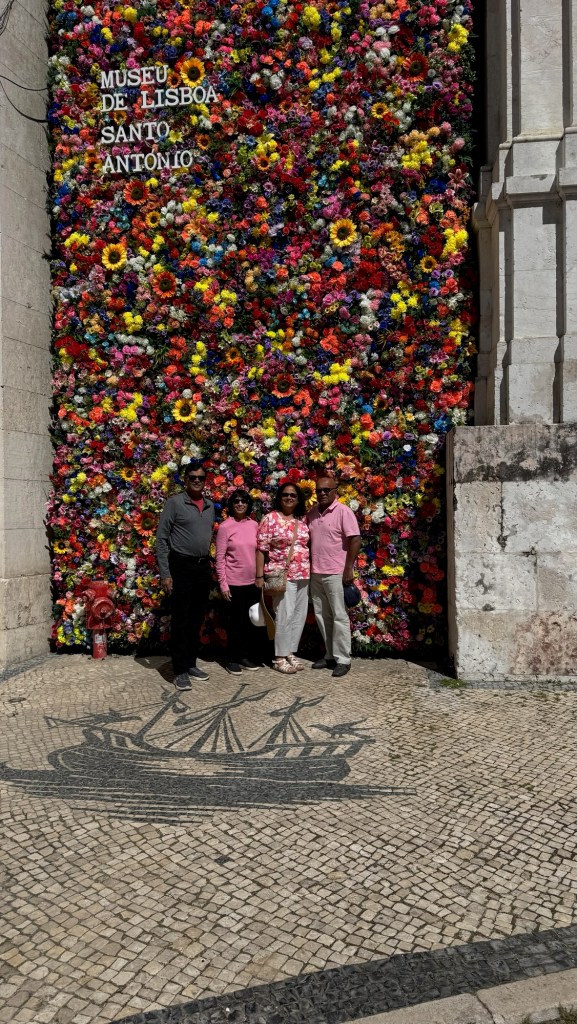
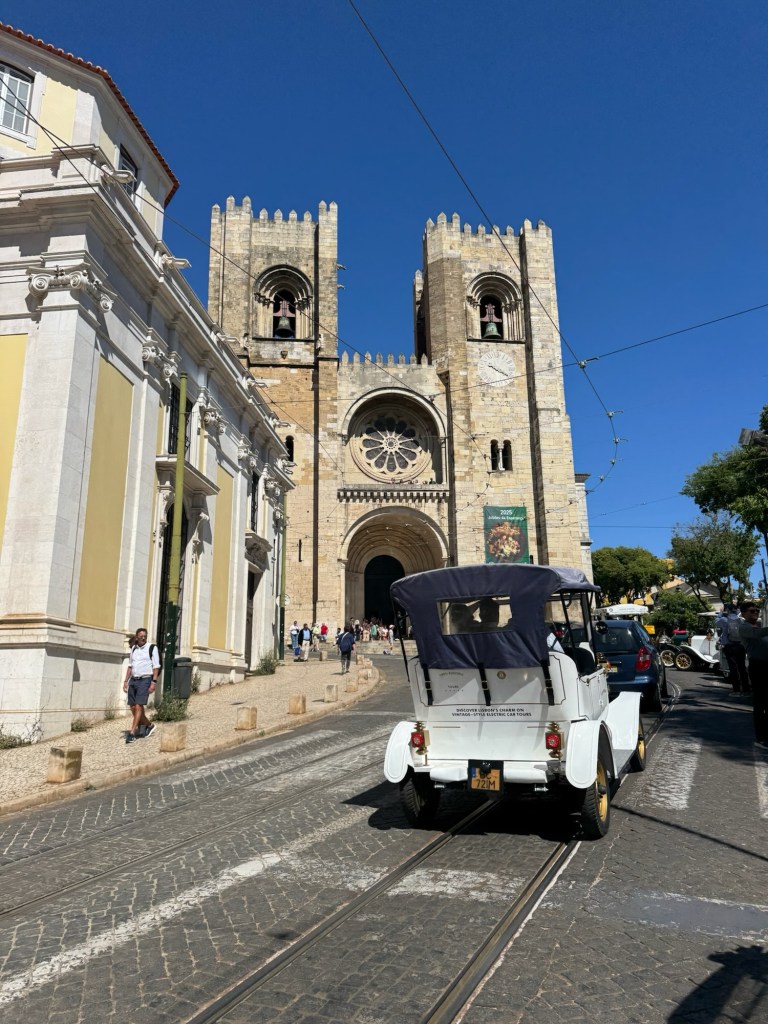
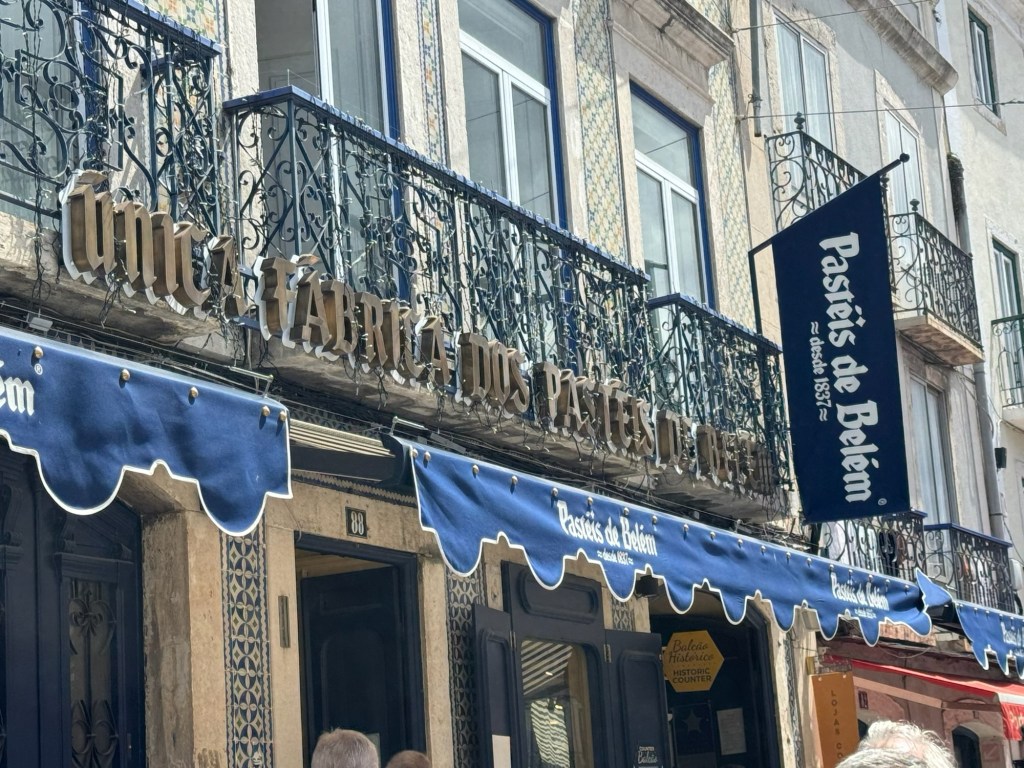
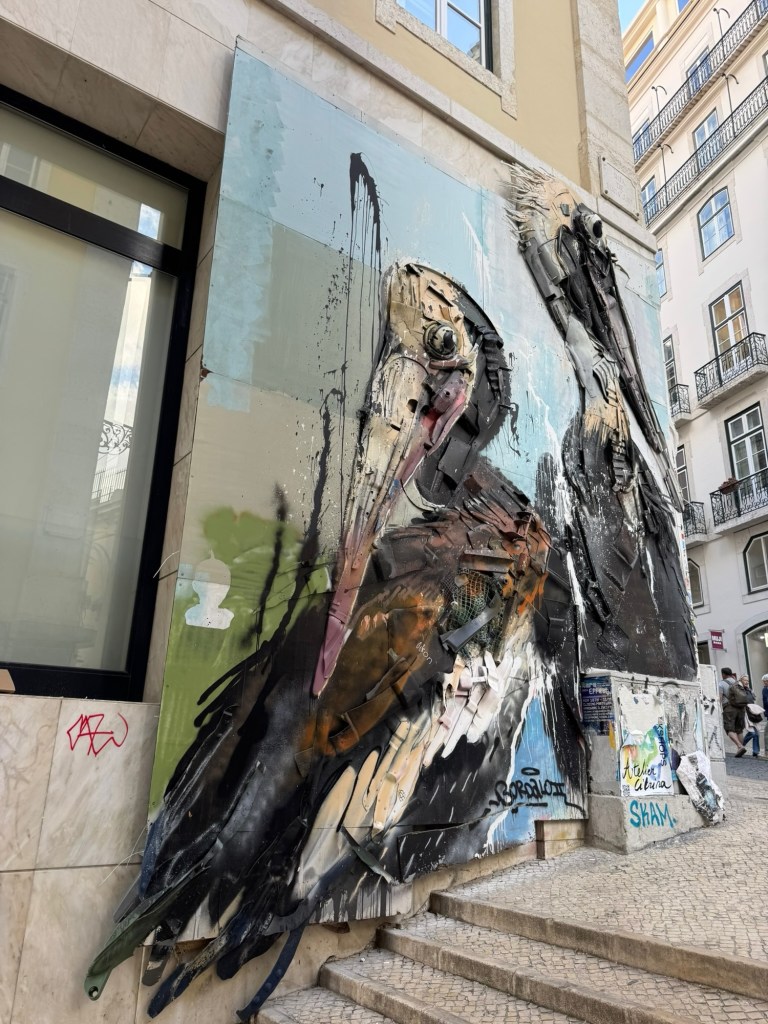
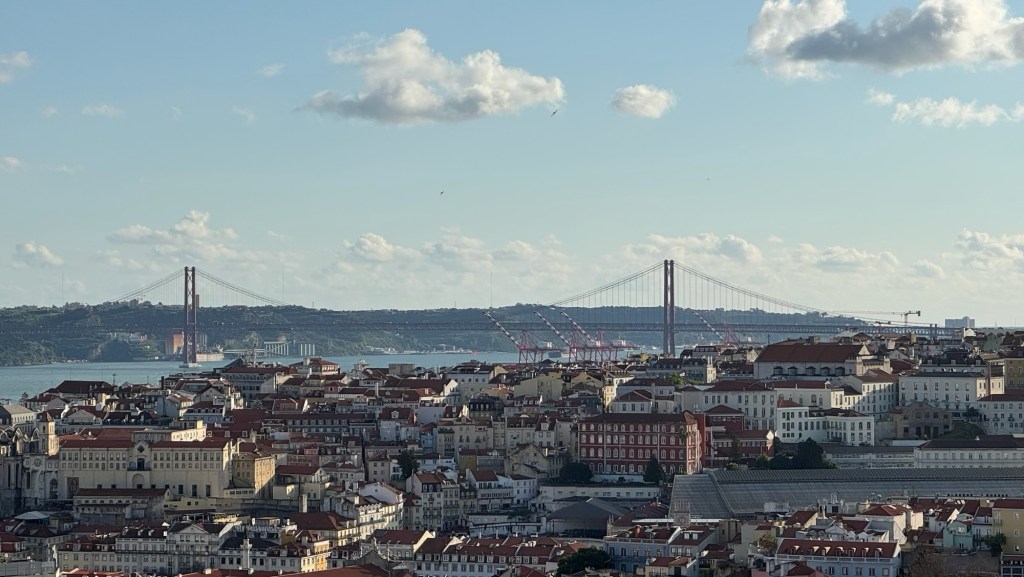
Lisbon
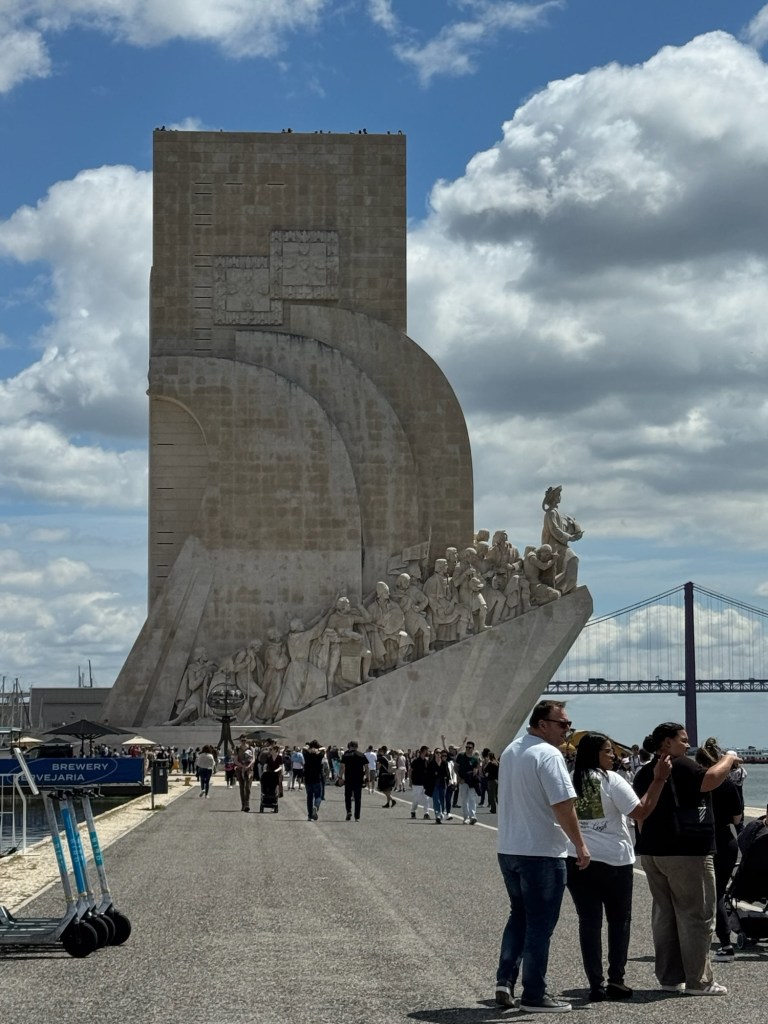
- The capital is a city of hills, steeped in rich history, vibrant culture, and stunning architecture. Its UNESCO sites, Jerónimos Monastery and Belém Tower, exemplify Manueline architecture and honor Portugal’s Age of Discovery.
- Its historic Alfama district features charming cobblestone streets, traditional Fado music, and panoramic viewpoints like Miradouro de Santa Luzia.
- Features world-class museums including the National Tile Museum, and the Calouste Gulbenkian Museum.
- The lively LX Factory district blends creativity with dining and shopping, reflecting Lisbon’s modern vibrancy.
- Has scenic riverfront promenades near Vasco da Gama Bridge or cruise the Tagus River for city views.
- Also offers a dynamic nightlife, especially around Pink Street, known for its bars and street parties.
- Lisbon blends historical grandeur, rich culture, stunning views, and vibrant urban energy, making it a captivating destination.
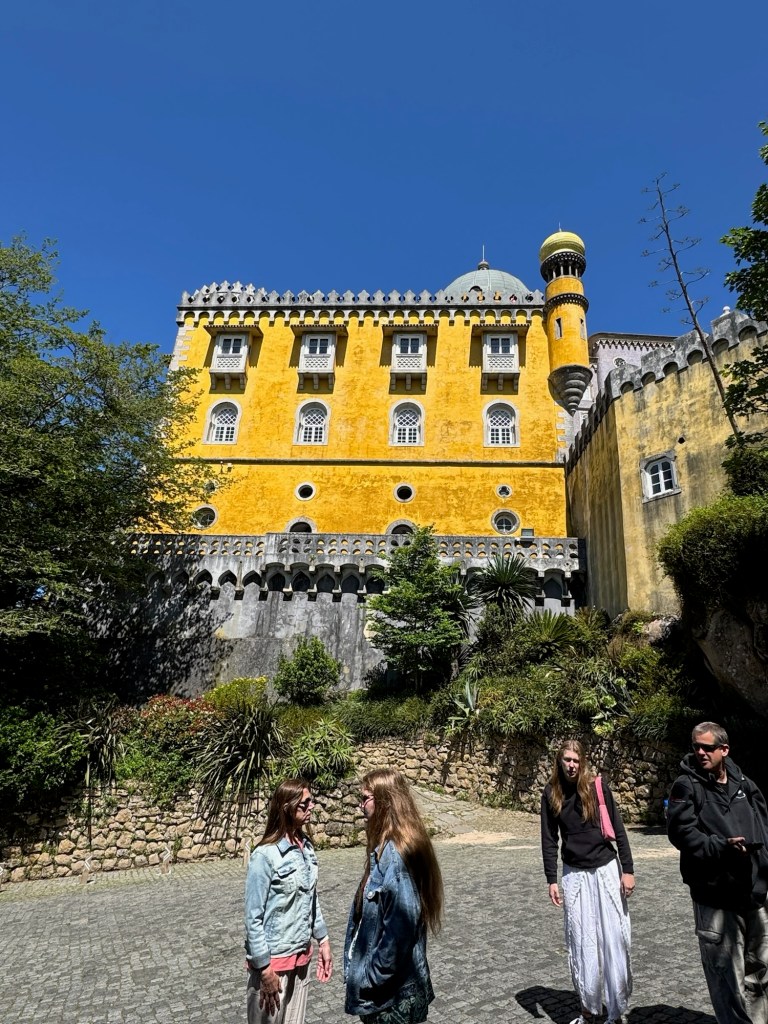
Sintra:
- Step into a storybook world of fairy-tale palaces, historic castles, lush gardens, and mysterious forests.
- The town is famous for the colorful Pena Palace, a 19th-century Romanticist masterpiece perched atop a hill with panoramic views.
- Nearby, Quinta da Regaleira features mystical gardens, hidden tunnels, and ornate architecture, creating a fantasy-like experience.
- History lovers will appreciate the Moorish Castle, with ancient walls and sweeping vistas of Sintra and the Atlantic Ocean.
- The National Palace of Sintra, with its distinctive twin chimneys, showcases centuries of royal history and exquisite tilework.
- Sintra’s surrounding parks and palaces, like Monserrate Palace and the Convent of the Capuchos, enhance the area’s diversity of sights.
- The area’s natural trails and viewpoints, including Cabo da Roca—the westernmost point of mainland Europe—offer stunning landscapes and ocean views.
- Just 40 minutes from Lisbon, Sintra makes a perfect day trip, blending culture, history, and nature to enchant every visitor.
The Algarve
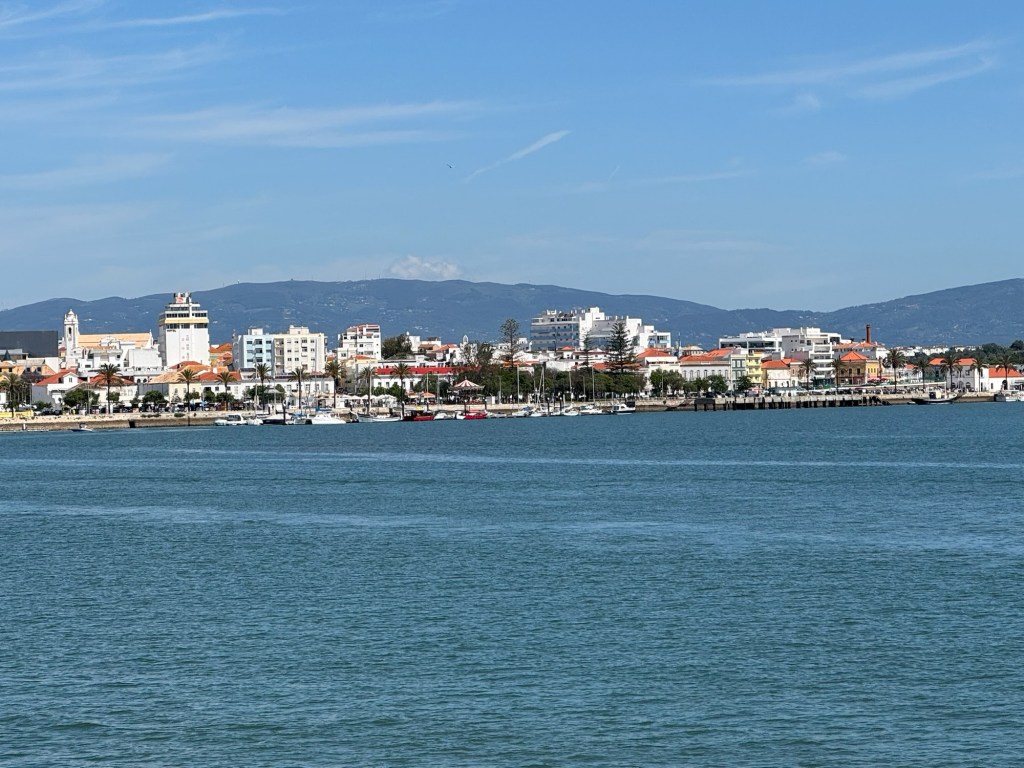
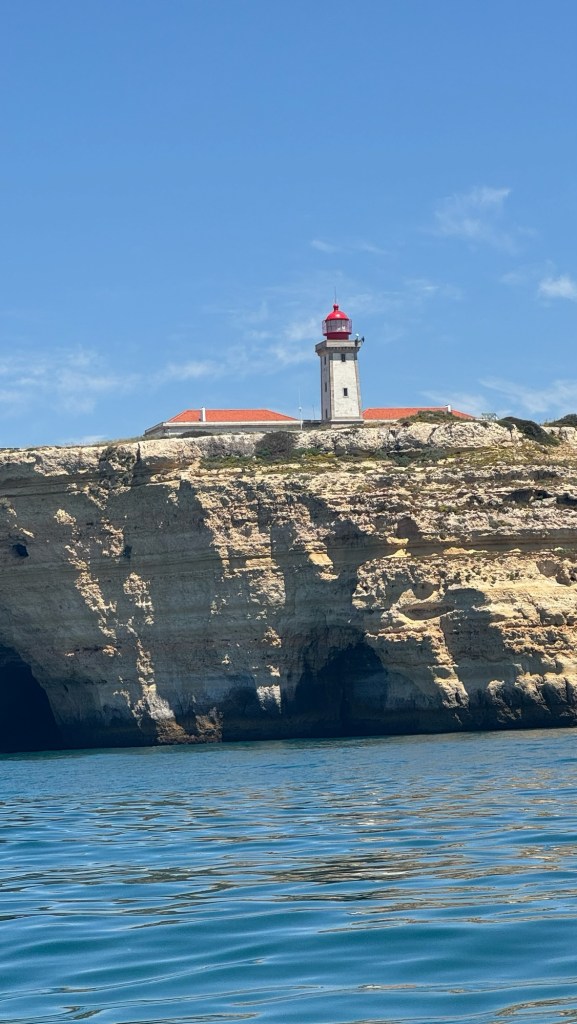
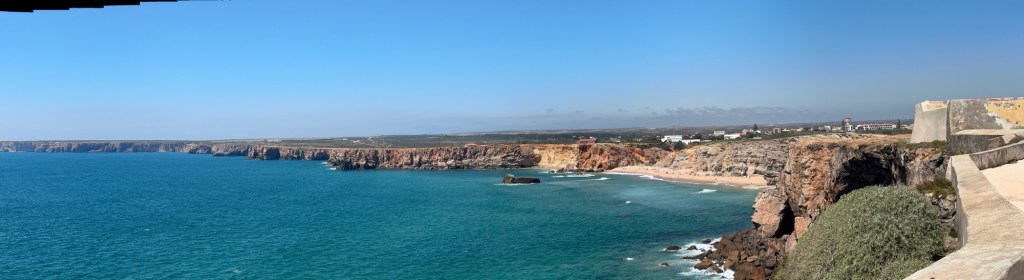
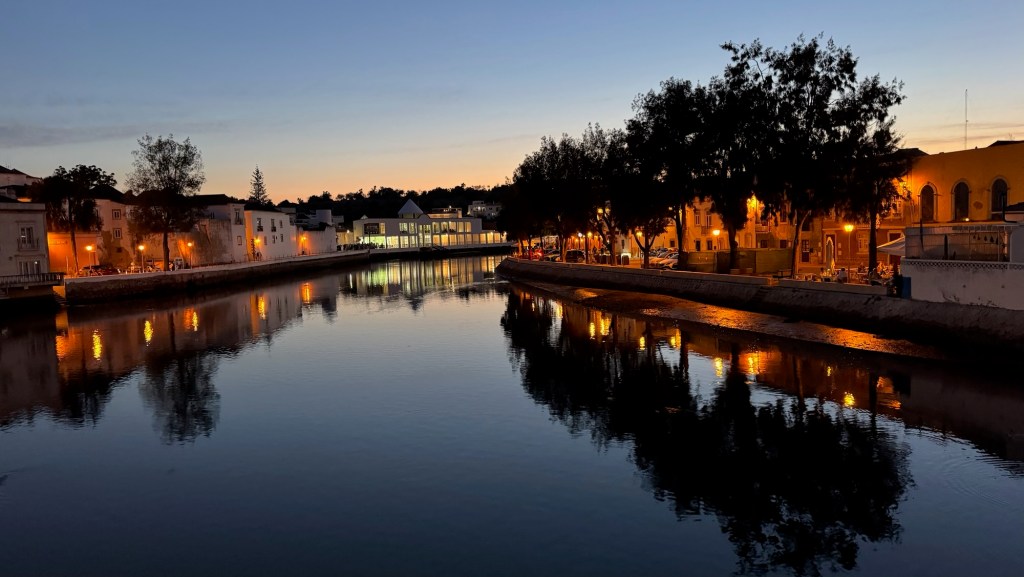
- Southern Portugal’s Algarve region is famed for its golden beaches, dramatic cliffs, and charming towns like Lagos and Tavira.
- The region features stunning beaches like Praia da Marinha, famed for golden cliffs and clear waters, often ranked among the world’s best.
- Dramatic coastal formations like Ponta da Piedade near Lagos offer sea caves, grottos, and cliffs, best explored by boat or kayak.
- The famous Benagil Cave, a vast sea cave with an inner sandy beach, is accessible only by water, making boat tours popular.
- Beyond the coast, the Algarve’s interior has villages like Monchique, offering mountain scenery, local cuisine, and sunset views from Mount Fóia.
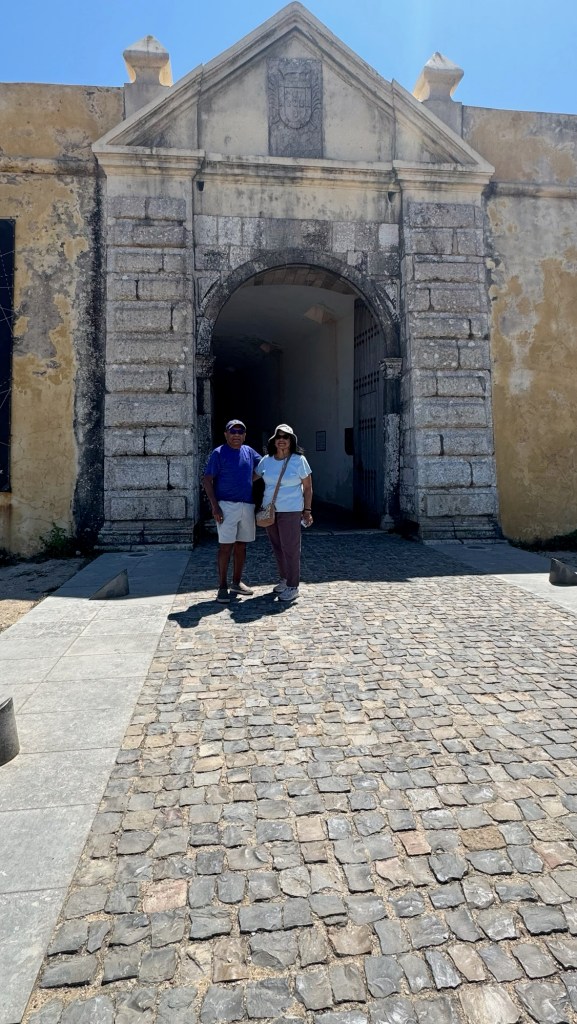
- The Algarve features cultural and historical sites like Silves Castle, Olhão’s lively markets, and Tavira, blending natural beauty with heritage.
- Outdoor enthusiasts can hike trails like the Seven Hanging Valleys, which follow the coastline and reveal dramatic cliffs and hidden beaches.
- The Algarve combines stunning beaches, unique rock formations, charming towns, and outdoor adventures, making it perfect for relaxation and exploration. It’s ideal for sun-seekers, surfers, and those craving fresh seafood by the sea.
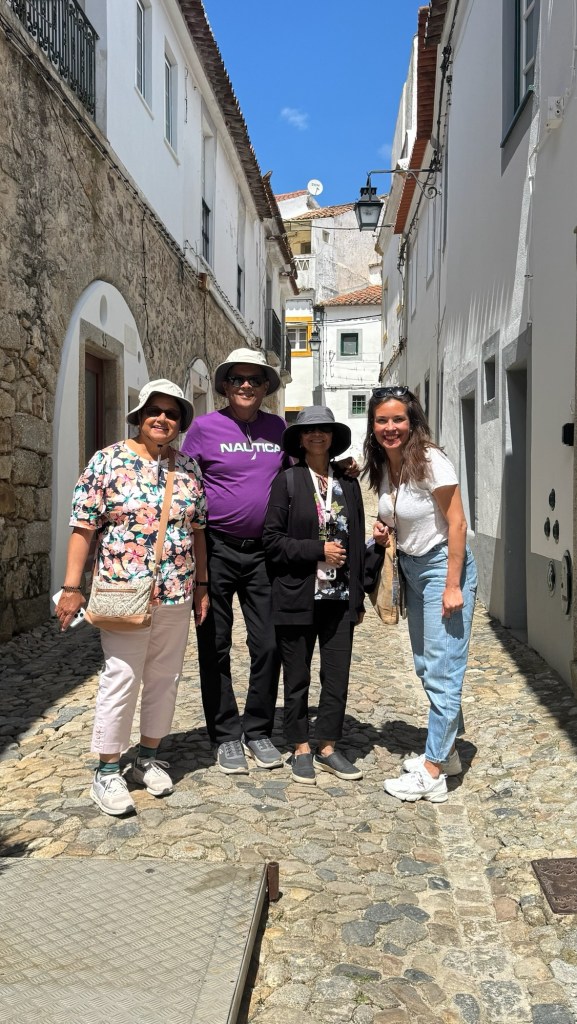
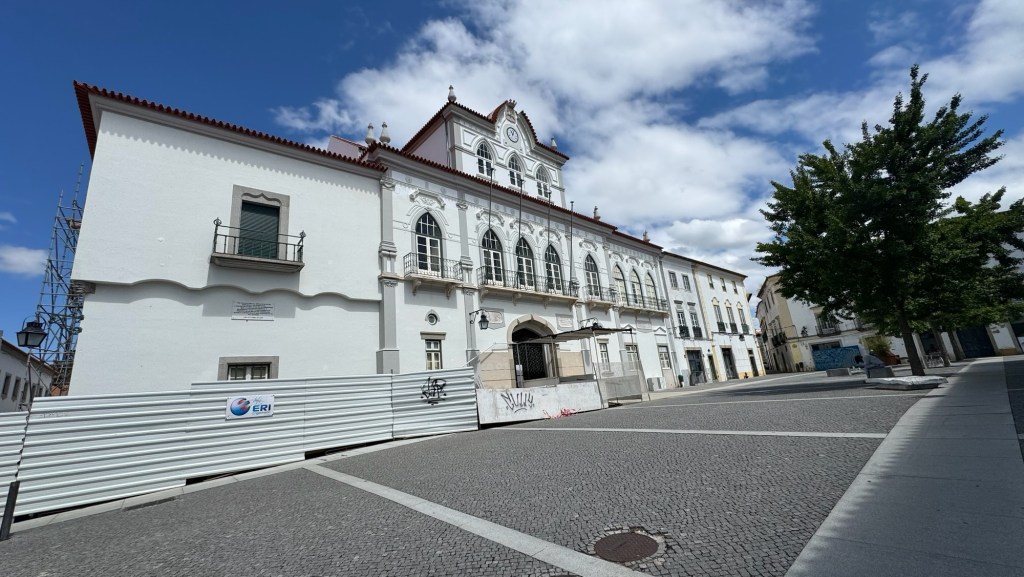
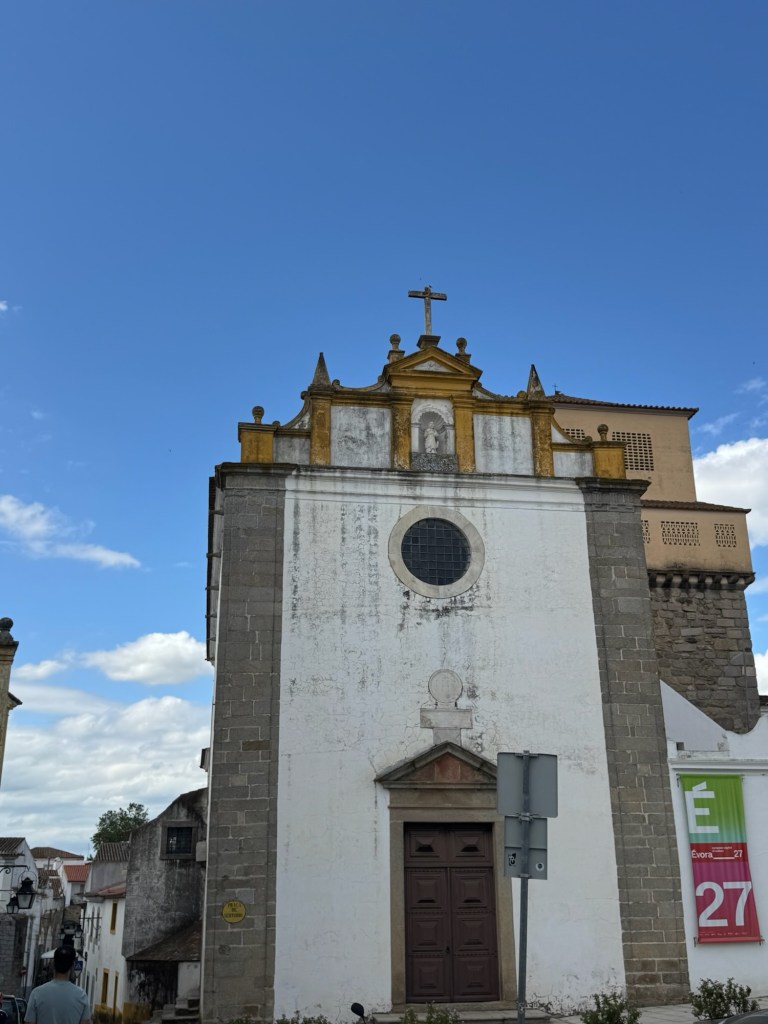
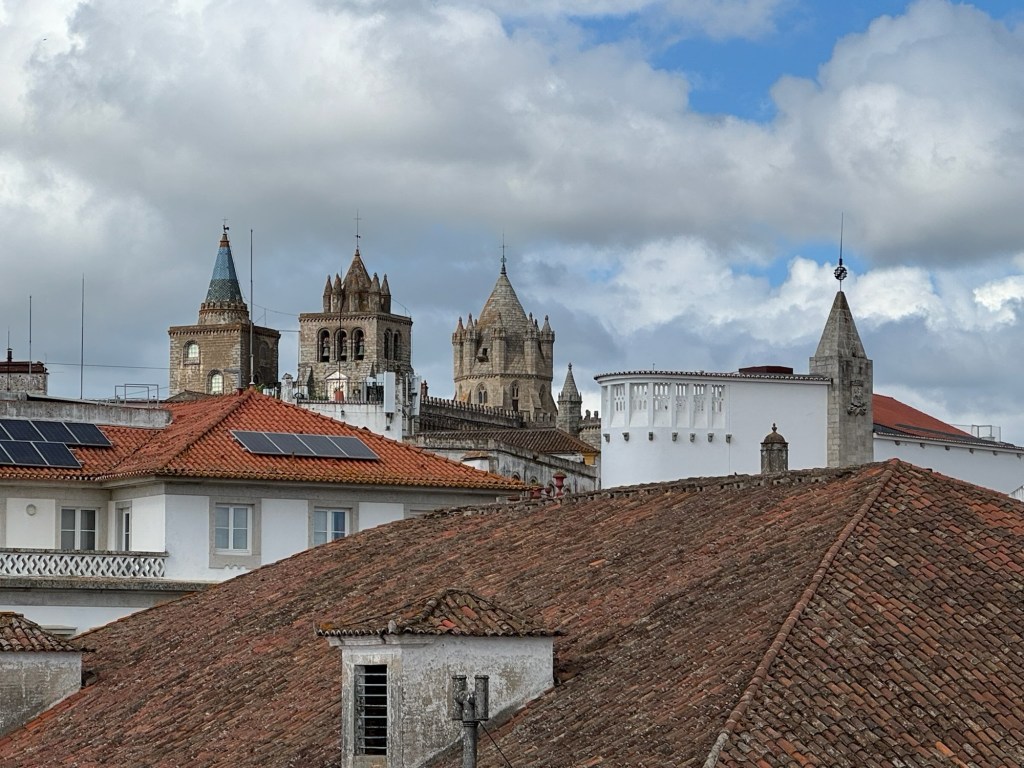
Évora:
- Offers a rich blend of history, culture, and architecture, all preserved within its UNESCO World Heritage-listed old town.
- A “museum-city” since Roman times, flourished as a royal residence in the 15th and 16th centuries, reflecting Portugal’s golden age.
- The impressive Roman Temple, often called the Temple of Diana, which stands as one of Portugal’s most significant Roman monuments.
- The Cathedral of Évora, with its rooftop views over the city.
- The haunting Chapel of Bones, lined with thousands of human bones.
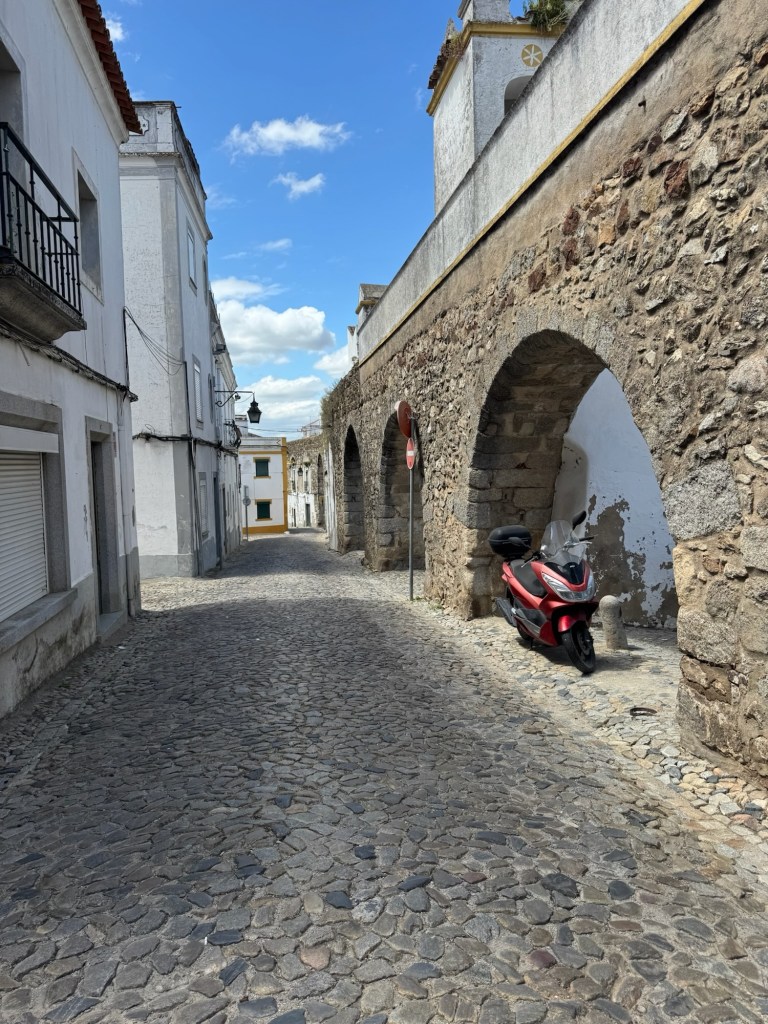
- Narrow cobblestone streets lead to charming squares like Praça do Giraldo, where lively cafés and local markets create a vibrant atmosphere.
- The 16th-century Aqueduct of Silver Water, with its towering arches, is a striking example of historical engineering integrated into the cityscape.
- Has a walkable city center filled with palaces, churches, and museums for cultural discovery.
- Évora offers a journey through time, blending ancient ruins, medieval charm, and vibrant local culture in a beautifully preserved city.
Obidos:
- Óbidos Castle, a stunning medieval castle and one of Portugal’s Seven Wonders. It served as a royal palace and military fortress. The castle has been restored and converted into a luxury hotel (Pousada) – is where we stayed for one night. Visitors can walk the castle walls for spectacular panoramic views of the town and surrounding countryside.
- Porta da Vila, the main entrance to the old town, features striking 18th-century blue and white tiles. It is a striking example of medieval architecture and tile art.
- Rua Direita is the main street of Óbidos. It is lined with colorful medieval and Renaissance houses, shops selling traditional crafts, local ginjinha liqueur, and restaurants. It connects the Porta da Vila to the castle and offers a genuine medieval atmosphere.
- Aqueduto da Usseira is a 16th-century aqueduct built, notable for its length and historical importance. Though partly surrounded by a parking area, it remains an impressive structure.
- Óbidos offers a rich medieval experience with its castle, well-preserved walls, charming streets, and historic churches.
Aveiro:
- Often called the “Venice of Portugal”. Town is famous for its picturesque canals navigated by colorful, ornately painted traditional boats called moliceiros. These boats were originally used for seaweed harvesting and now offer charming guided tours through the city’s waterways. These tours offer a unique perspective of Aveiro’s Art Nouveau architecture.
- It boasts an impressive collection of Art Nouveau buildings, especially around the former ceramics factory district. The intricate façades, decorative ironwork, and traditional Portuguese azulejos (tiles) make the city a treasure trove for architecture enthusiasts.
- Salt Pans (Salinas de Aveiro): The salt flats near Aveiro are both a historical site and a nature reserve.
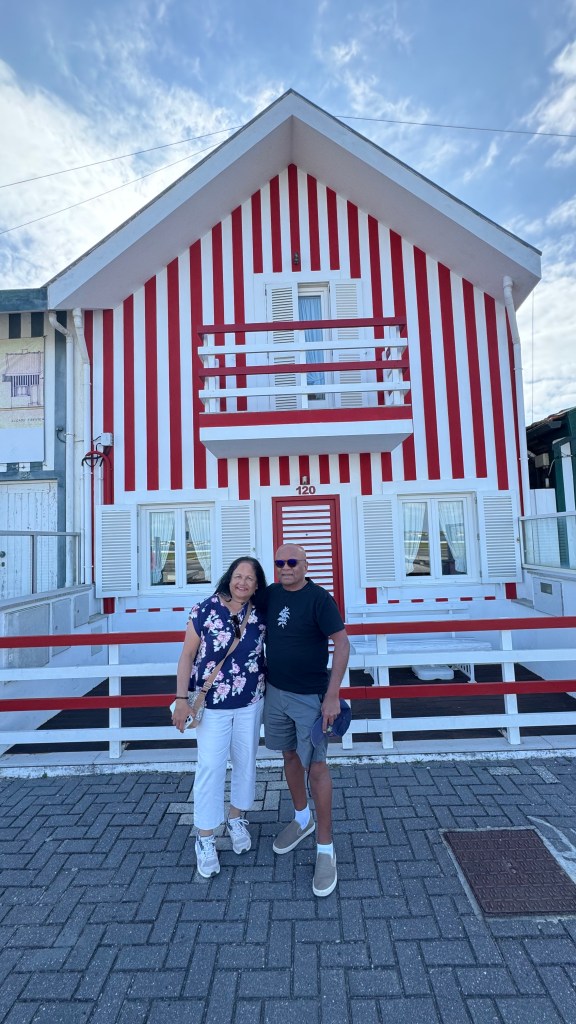
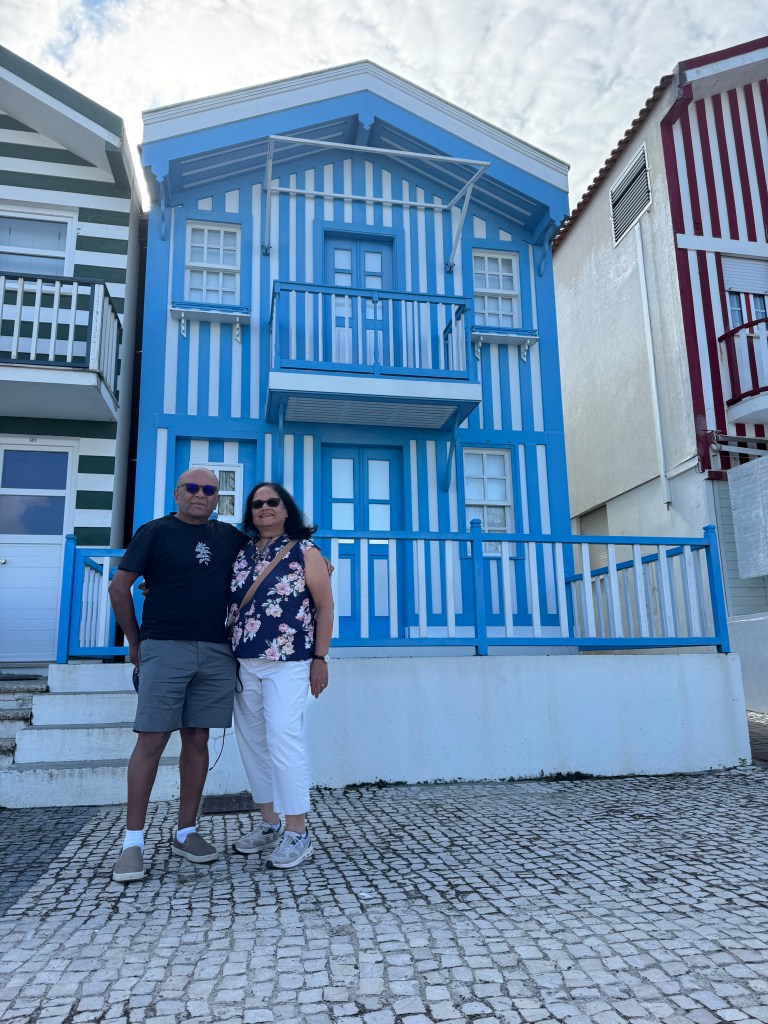
- Costa Nova is a nearby coastal village famous for its vividly striped wooden houses and beautiful sandy beaches. It offers a picturesque seaside escape.
- A unique local delicacy, Ovo Mole, a traditional sweet, egg-based pastry.
- Barra Lighthouse is located a few minutes from Aveiro, it is the tallest lighthouse in Portugal. It offers spectacular views of the Atlantic Ocean.
Porto:
- A must-visit for its unique blend of history, culture, and stunning scenery.
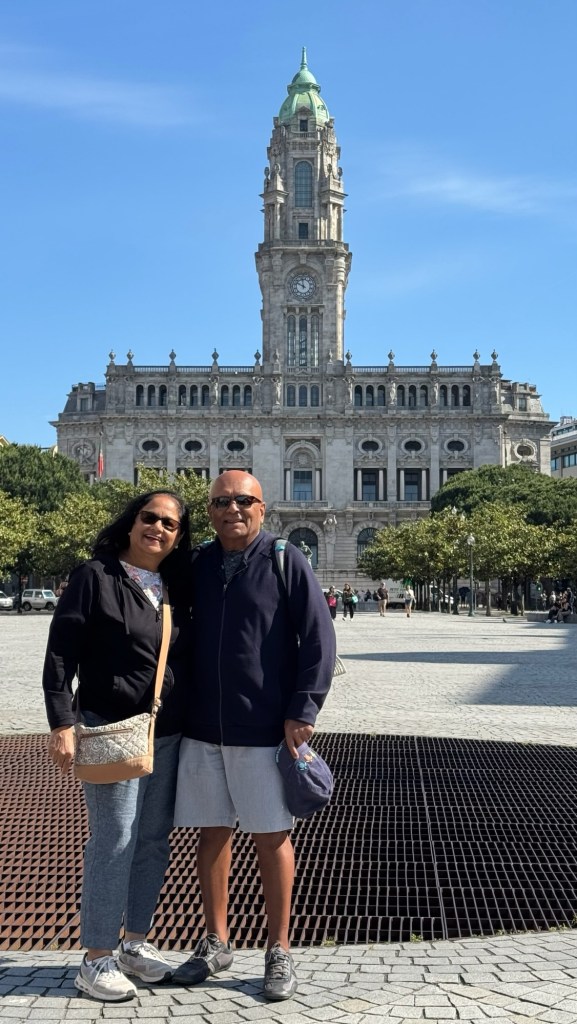
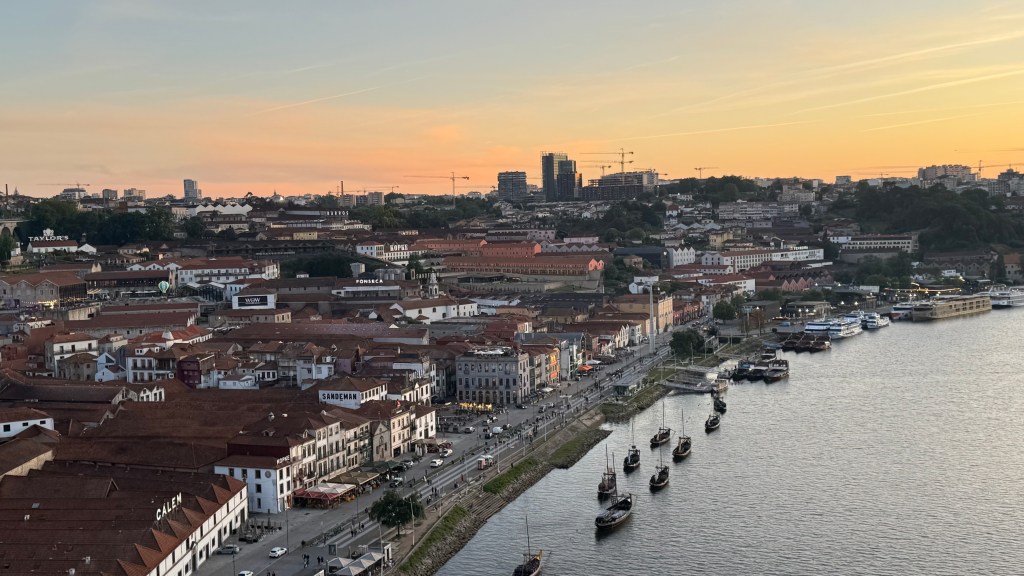
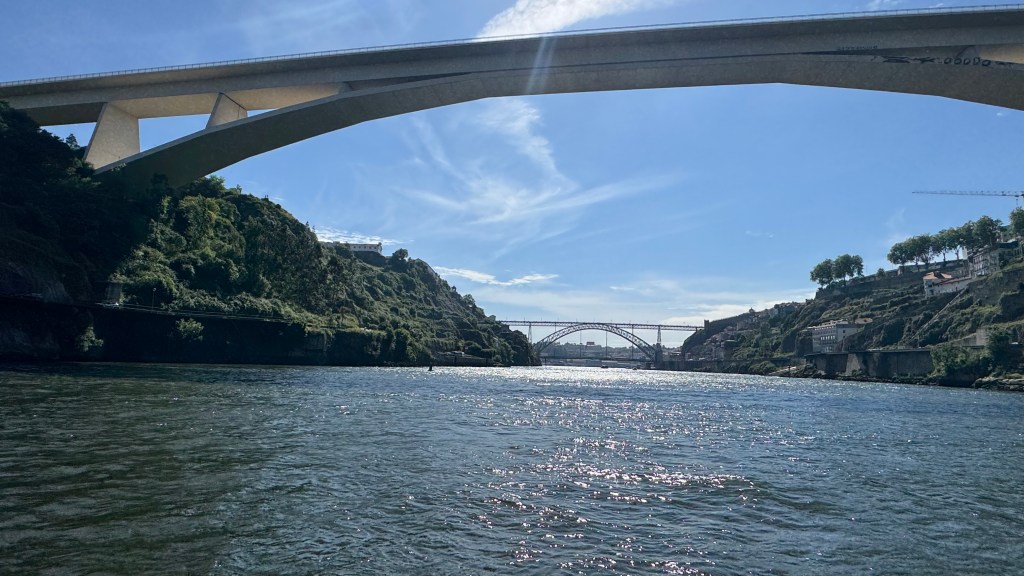
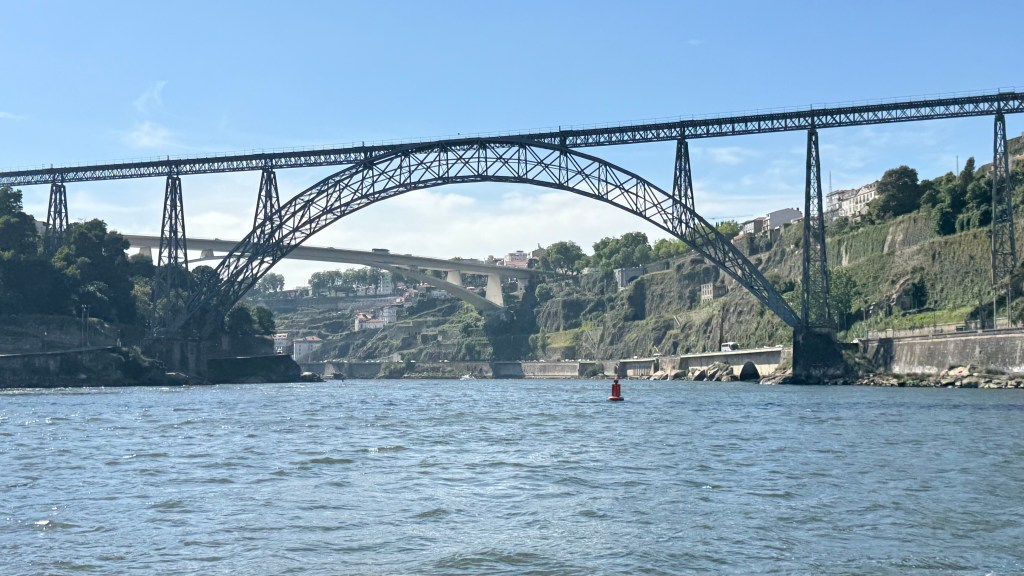
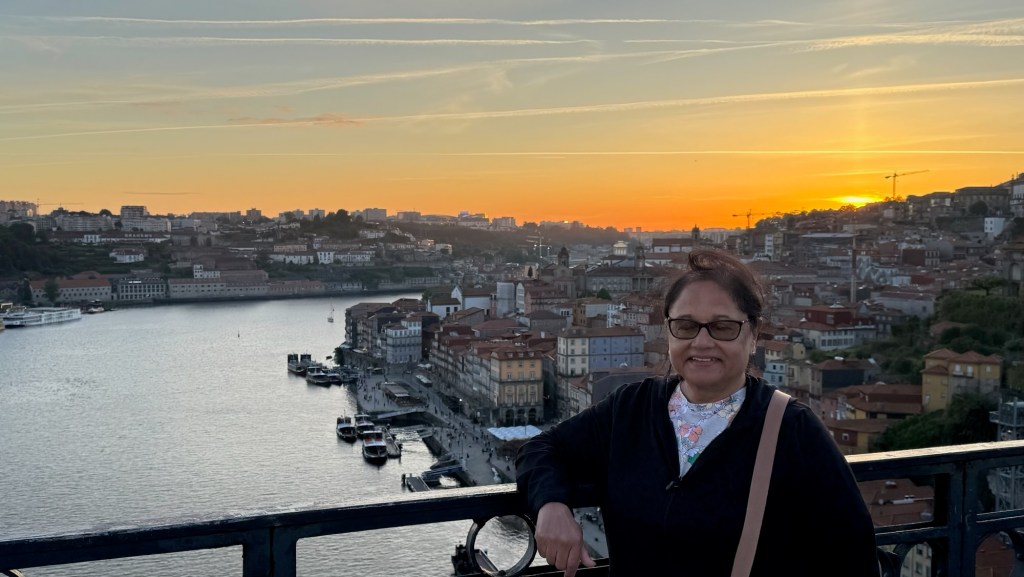
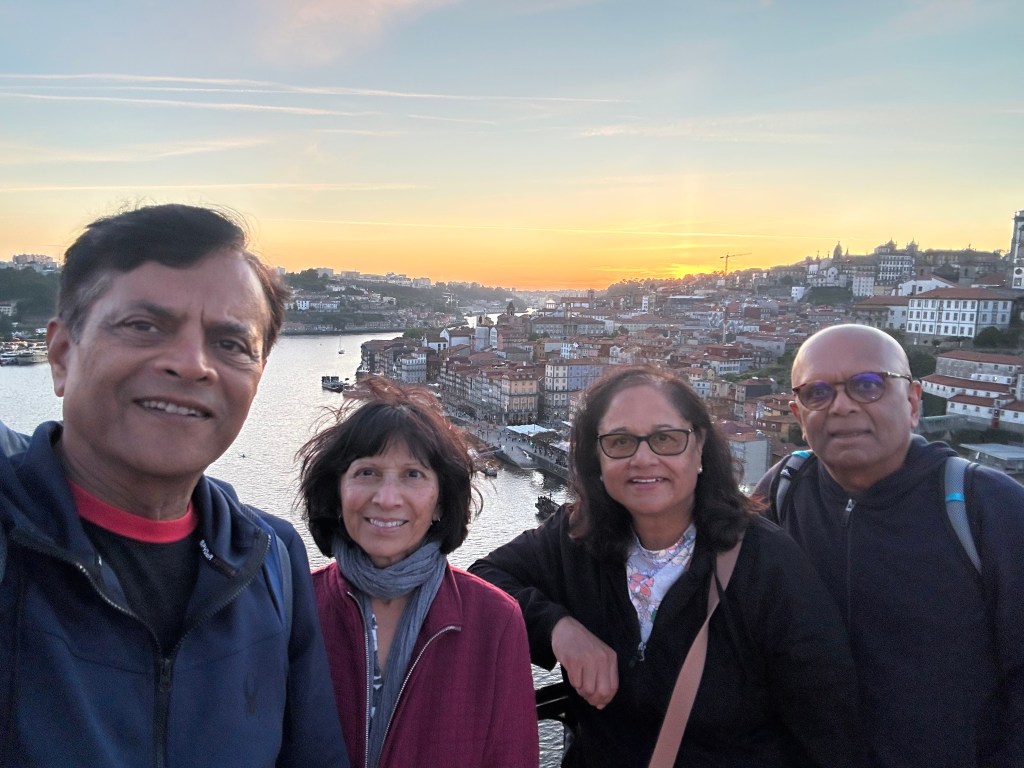
- The city’s historic center, a UNESCO World Heritage Site, features narrow cobbled streets, colorful Ribeira district buildings, and the Dom Luís I Bridge with panoramic Douro River views.
- The birthplace of world-famous port wine, and one can tour the famed wine cellars in Vila Nova de Gaia, just across the river.
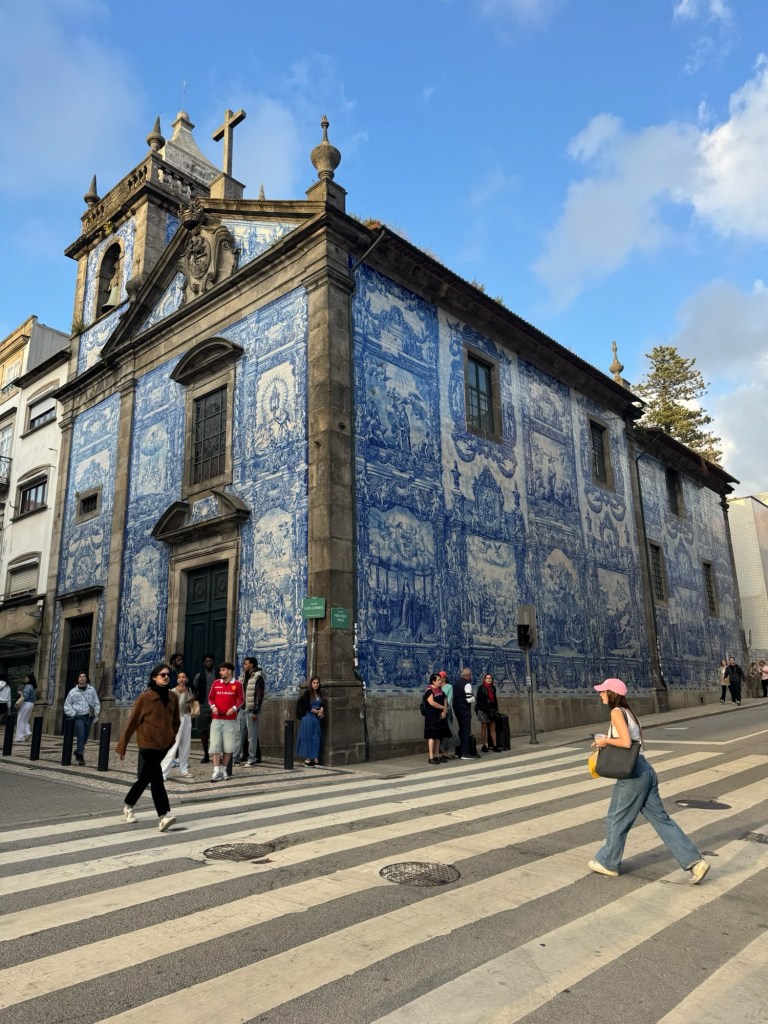
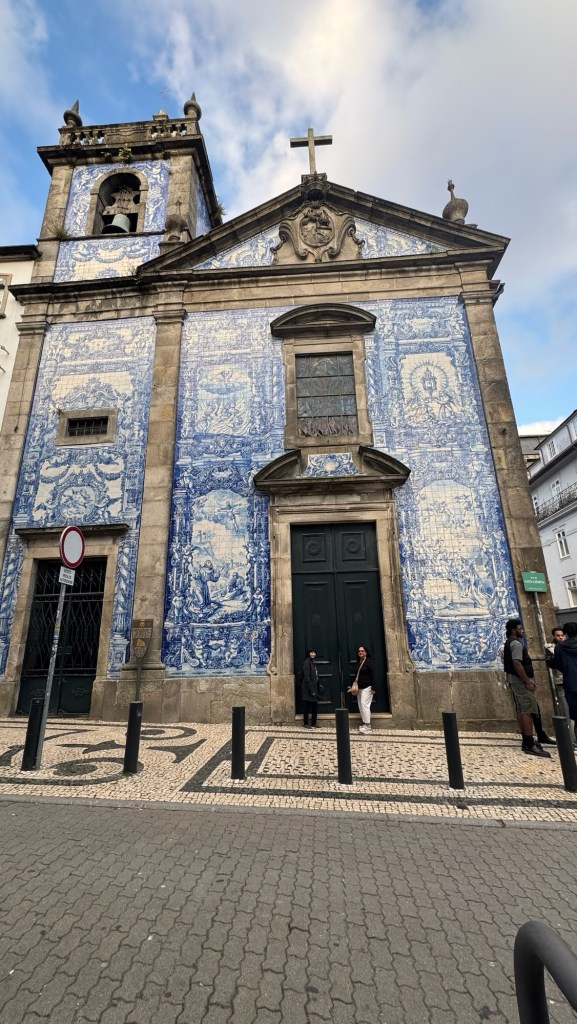
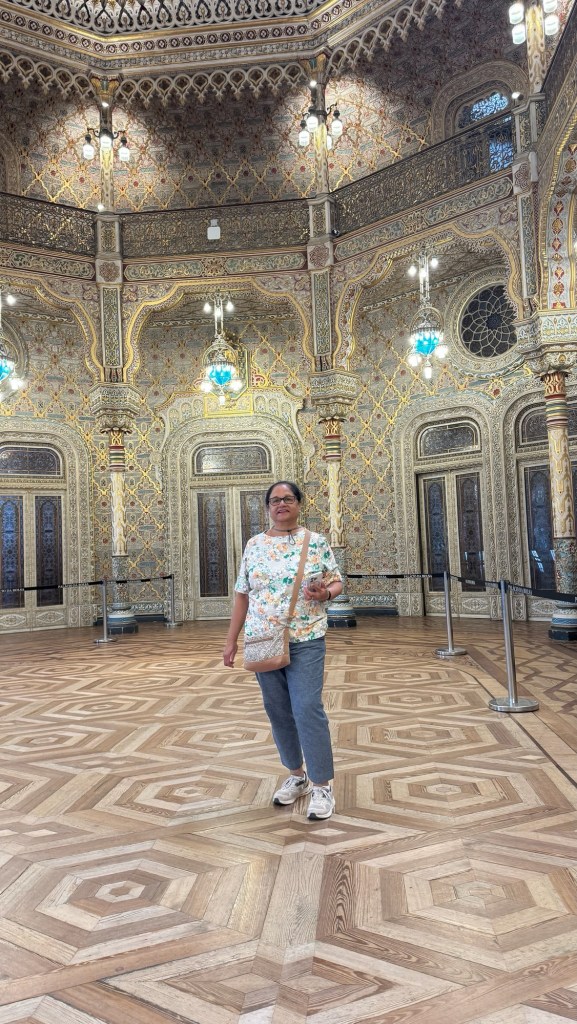
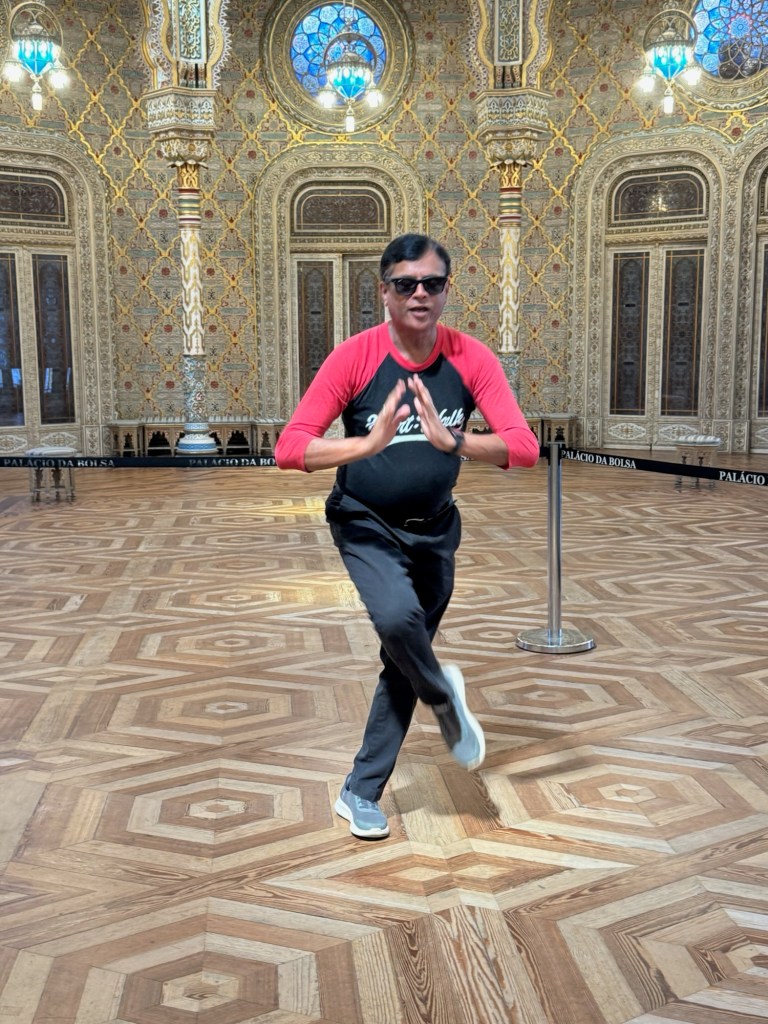
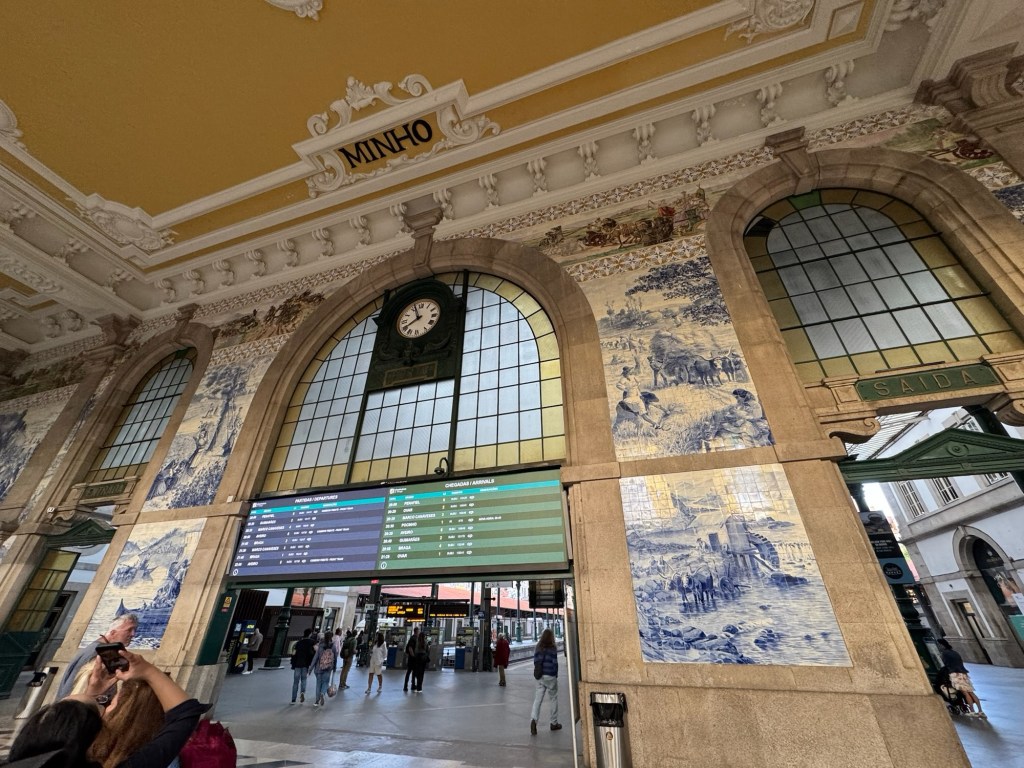
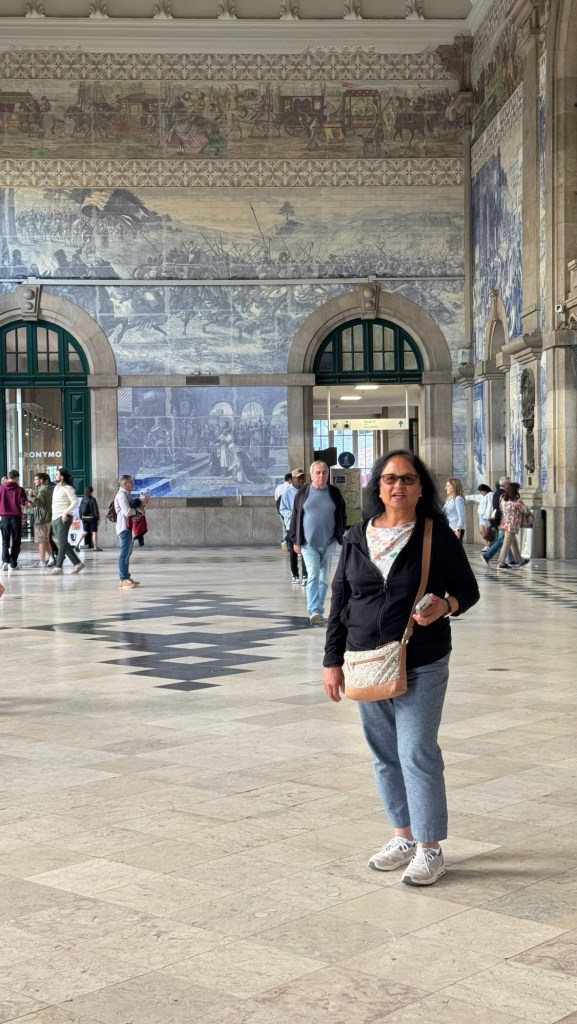
- The city features architectural gems like the Clérigos Tower, São Bento Station’s azulejo tiles, and the Palácio da Bolsa’s ornate Arabian Hall.
- Porto’s vibrant food scene offers lively markets like Mercado do Bolhão.
- The Livraria Lello bookstore, renowned as one of the most beautiful in Europe and inspired J.K. Rowling’s Harry Potter series.
- Porto captivates with its rich history, stunning river views, world-class wine culture, and vibrant traditions, making every visit unforgettable.
Douro Valley:
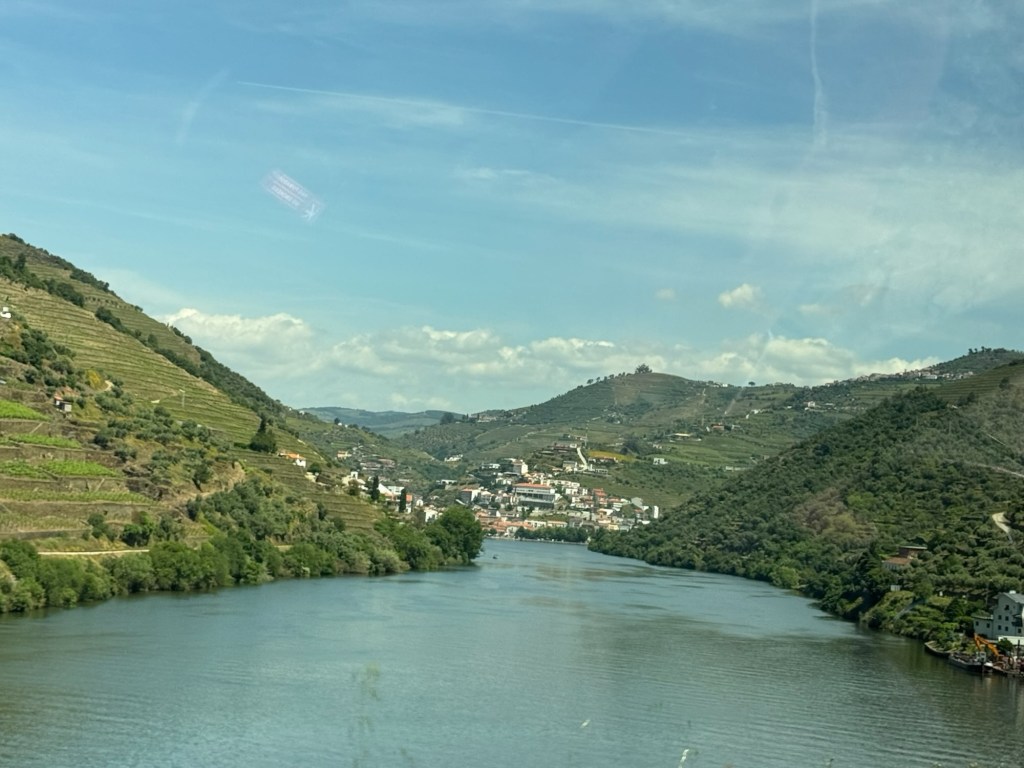
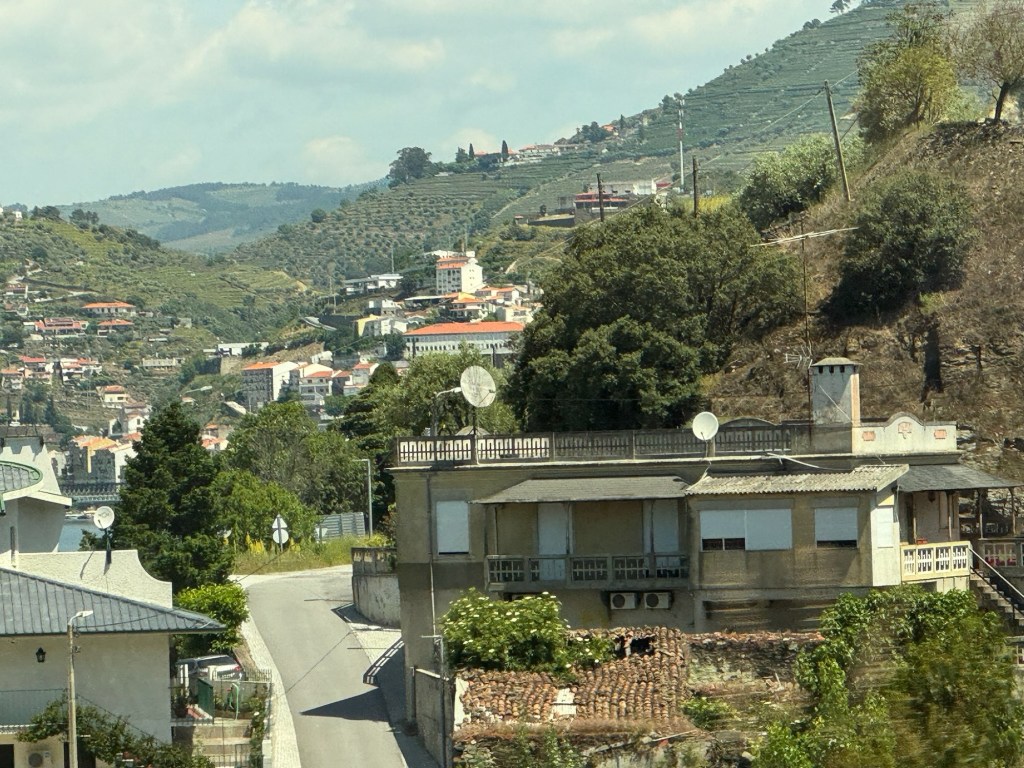
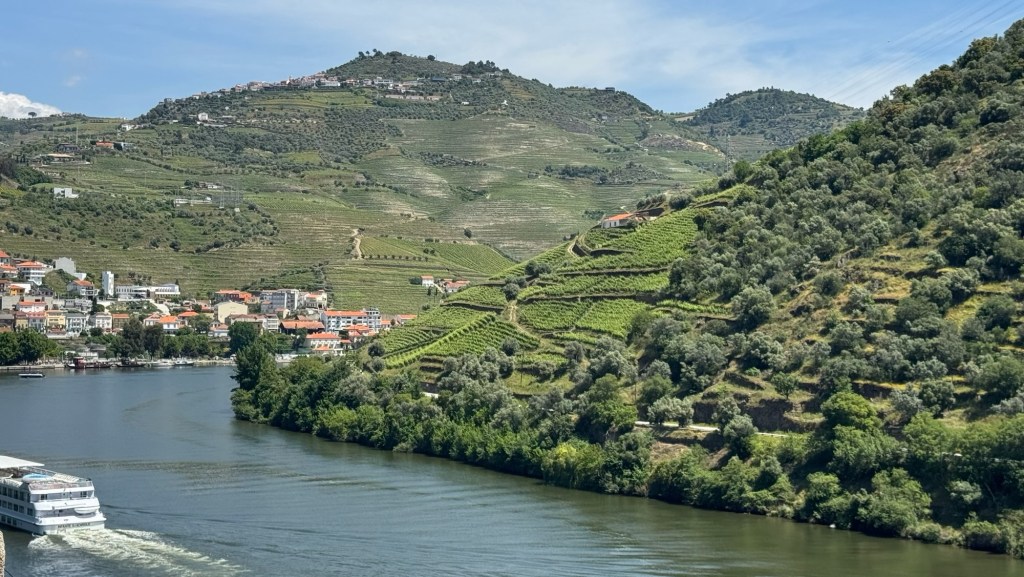
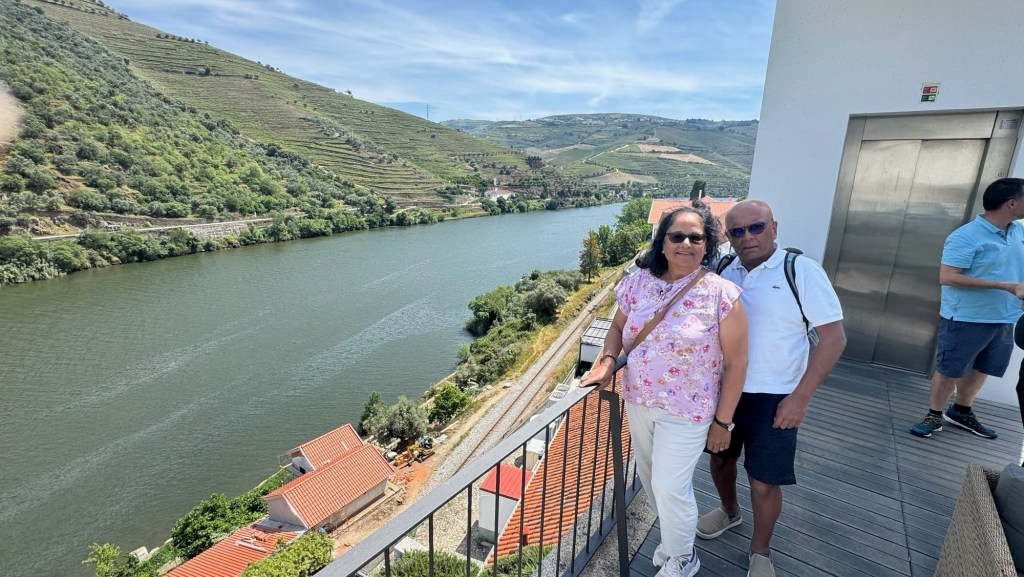
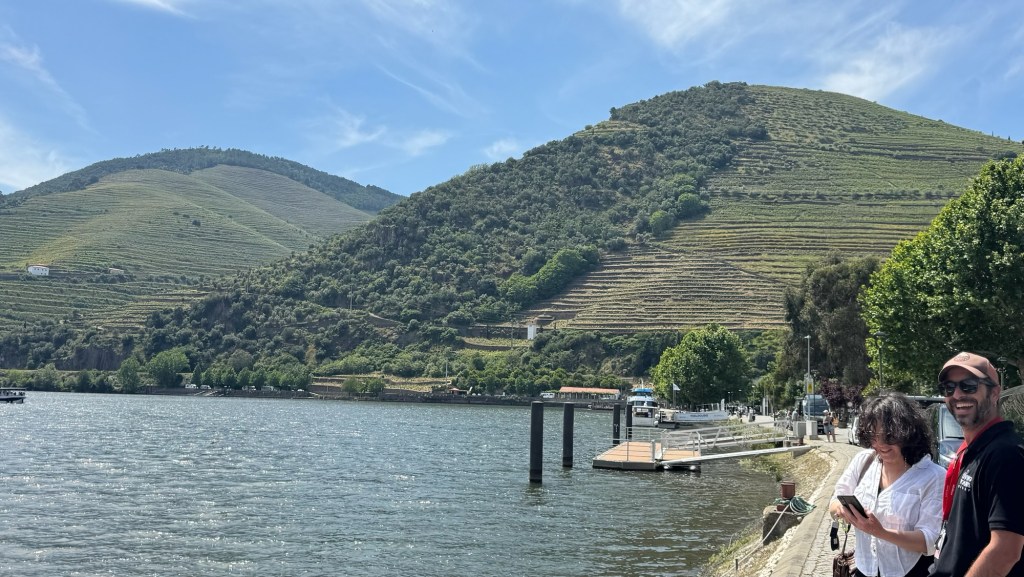
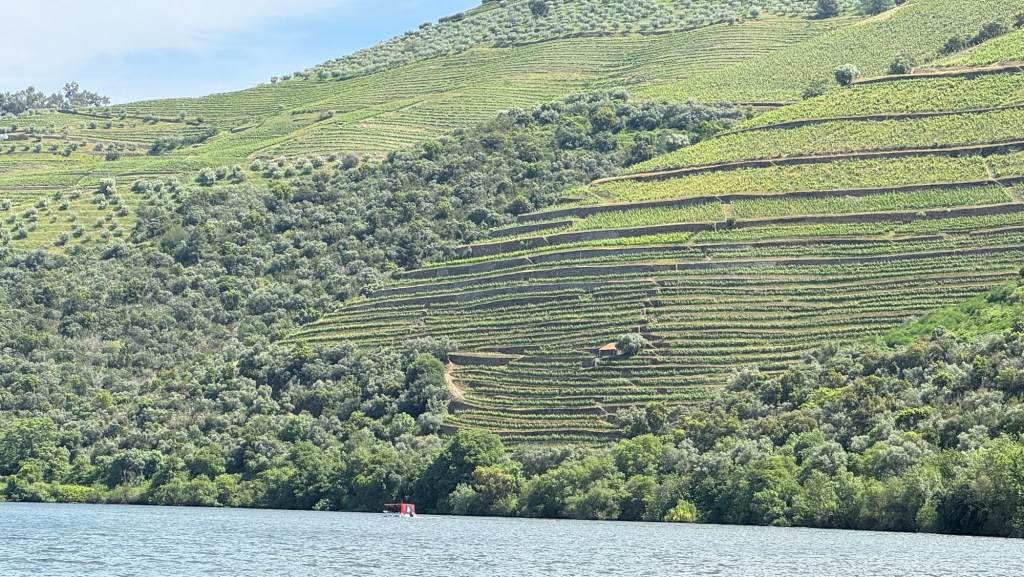
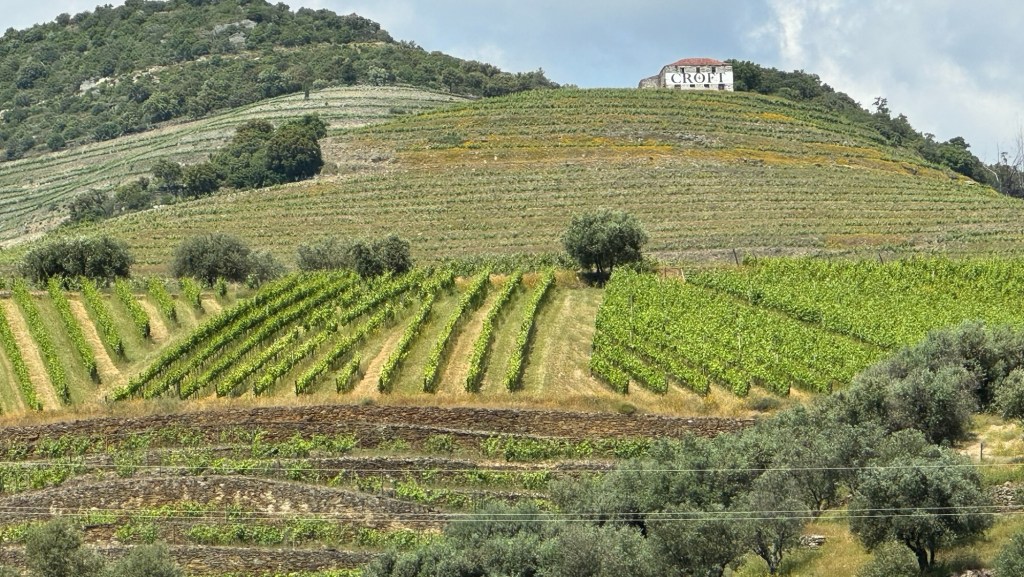
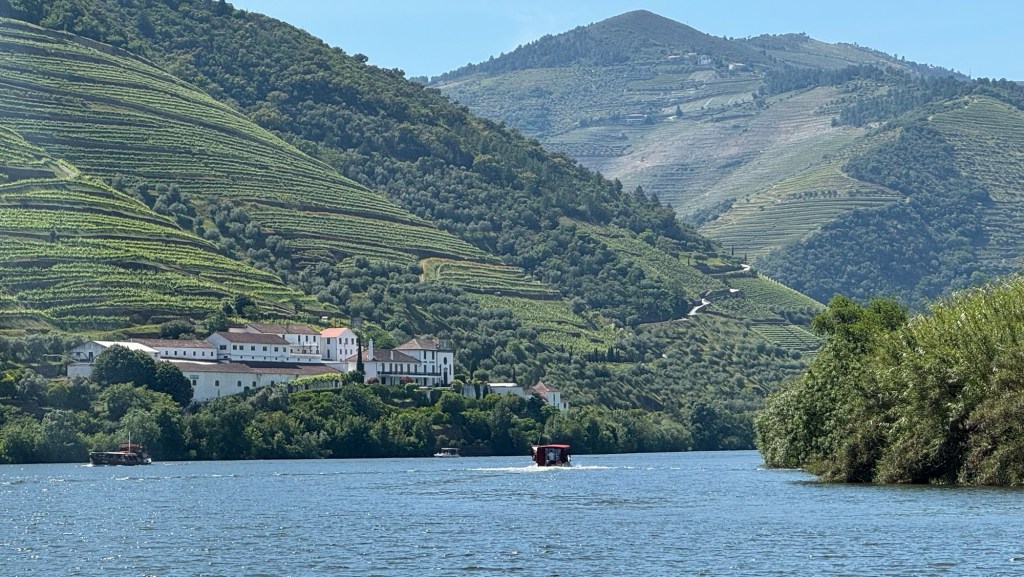
- Terraced vineyards along the winding river present a breathtaking visual spectacle that combines natural beauty with human craftsmanship. These terraces cascade down steep hillsides, forming a breathtaking mosaic of greenery that follows the contours of the land.
- Generations of farmers built stone terraces, capturing sunlight and creating ideal grape-growing conditions. As a result, they form a unique, gravity-defying landscape.
- Tradition, agriculture, and dramatic geography combine to make these terraced vineyards a defining and unforgettable part of Portugal’s landscape.
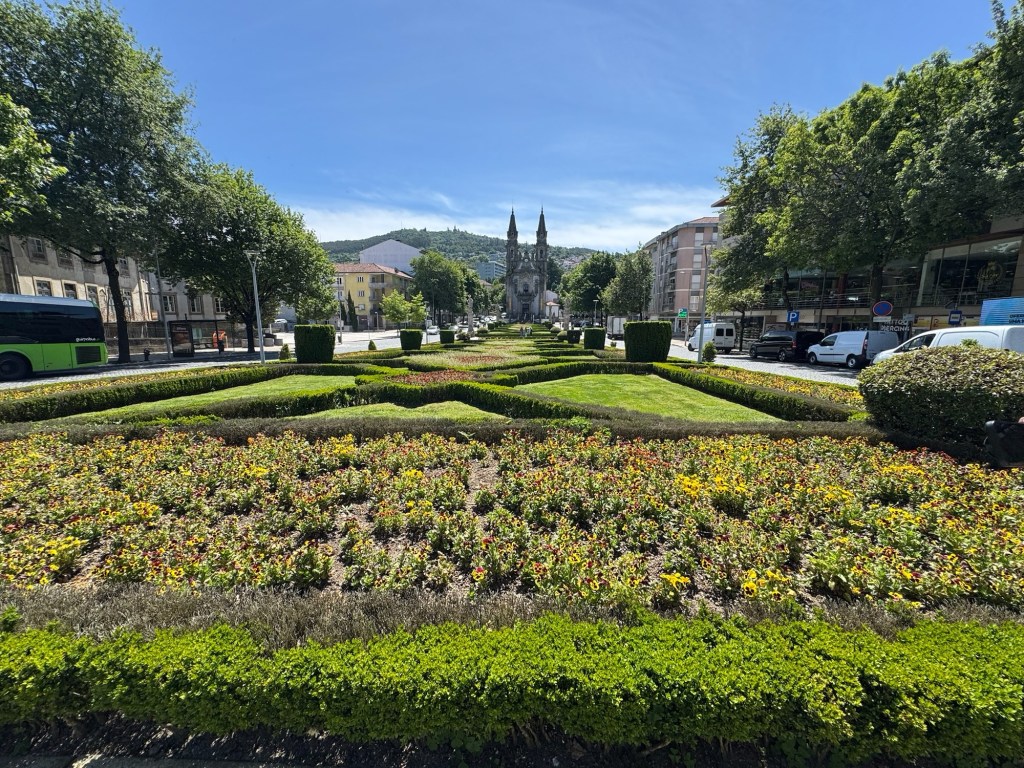
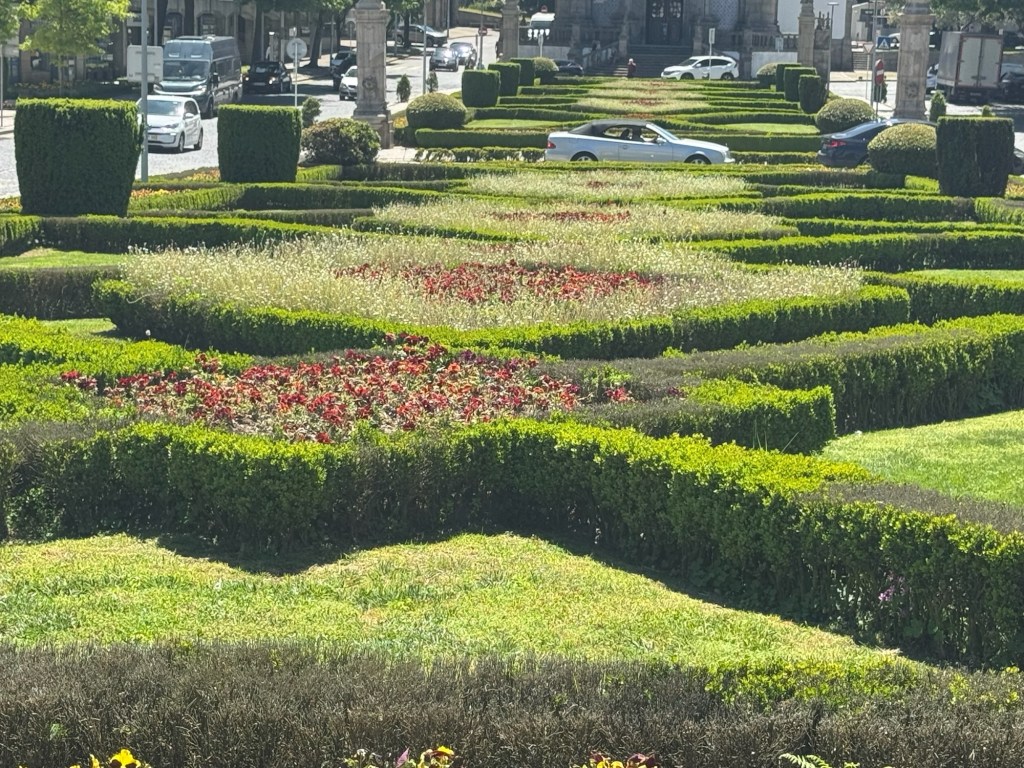
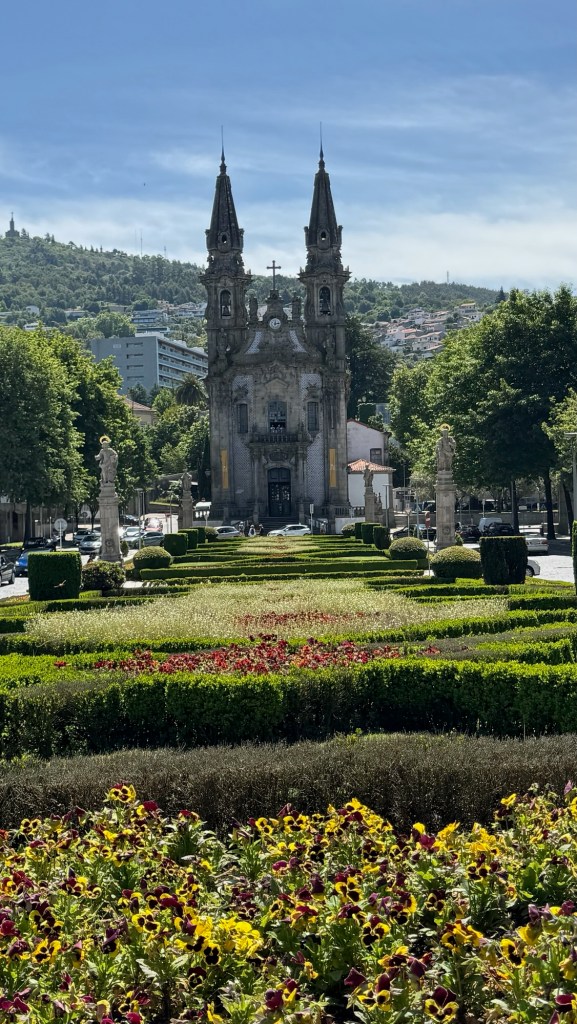
Guimaraes
- Renowned as the “cradle of the nation” and offers a wealth of historical and cultural attractions.
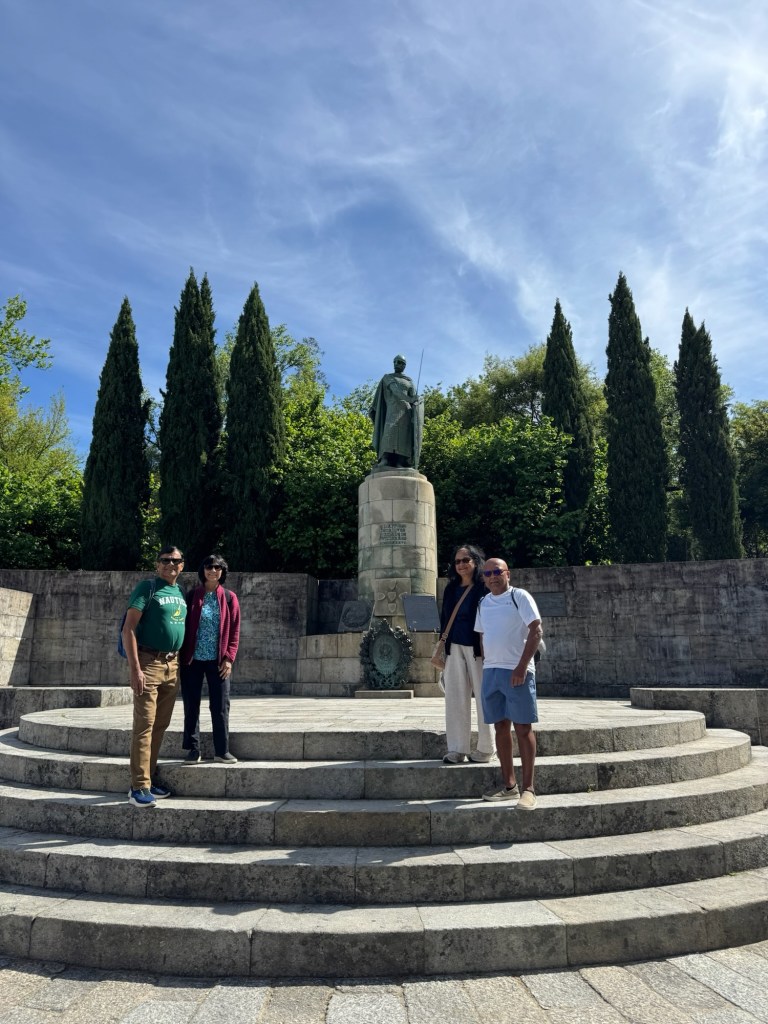
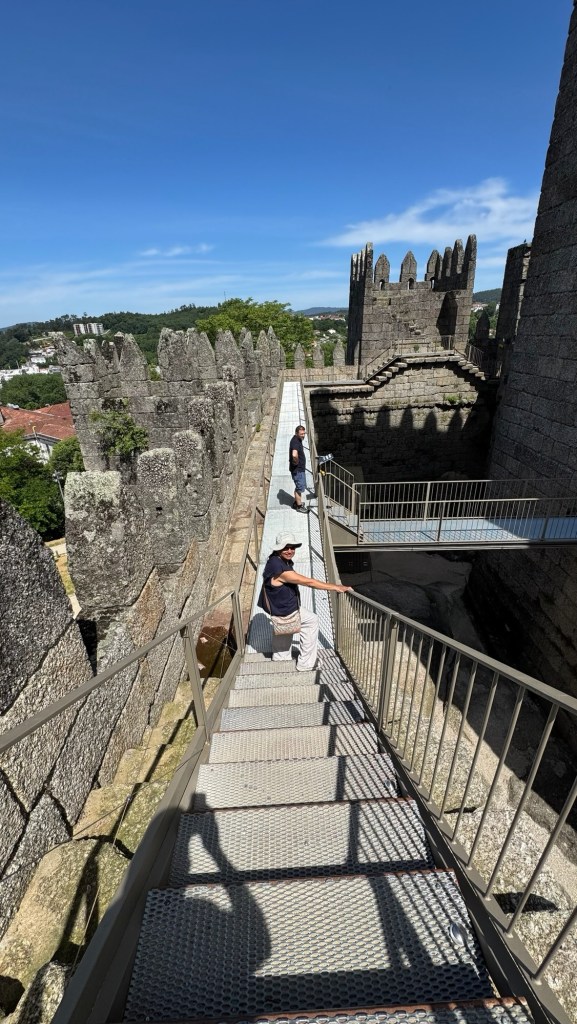
- Guimarães Castle is a medieval fortress from the 10th century, and played a key role in Portuguese history. Notably, it is considered the birthplace of Portugal as it was the childhood home of Afonso Henriques. He later became the first king of Portugal.
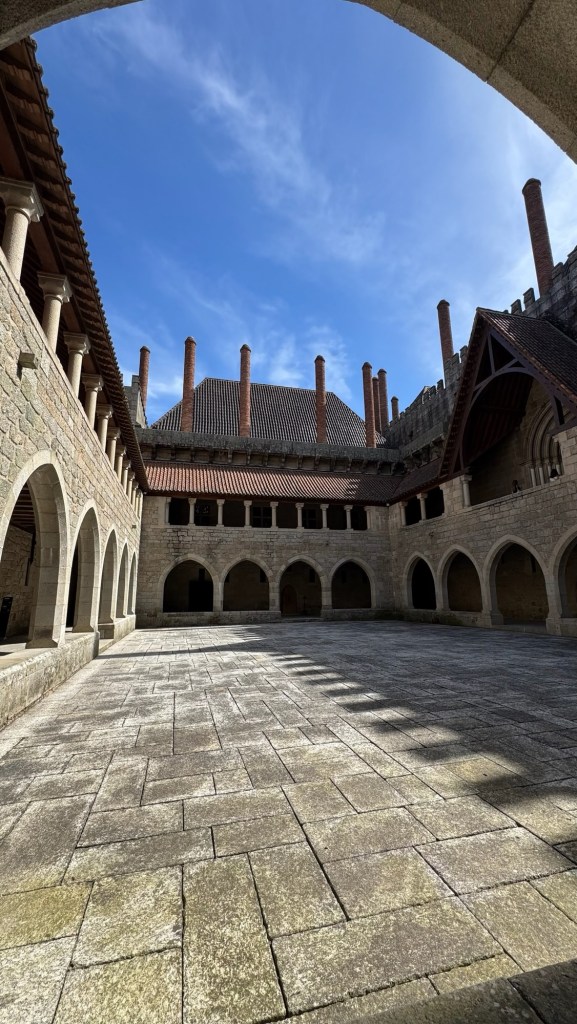
- Paço dos Duques de Bragança is a 15th-century palace. It features a distinctive northern European architectural style. Inside, it showcases opulent rooms, period furniture, and rare tapestries.
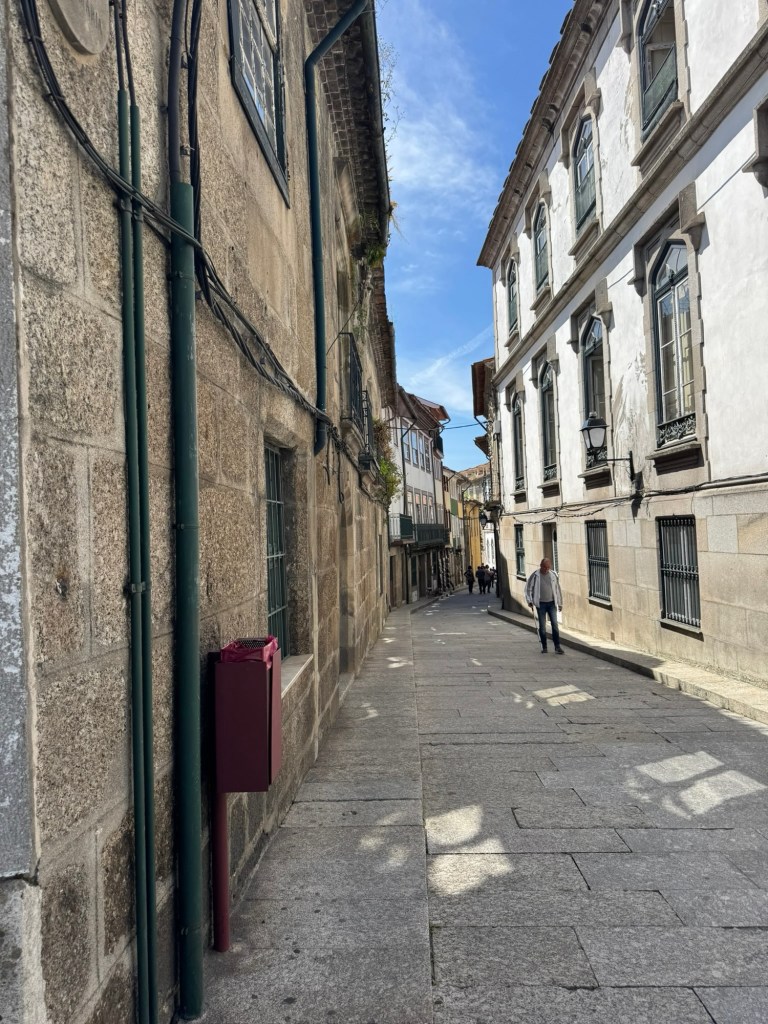
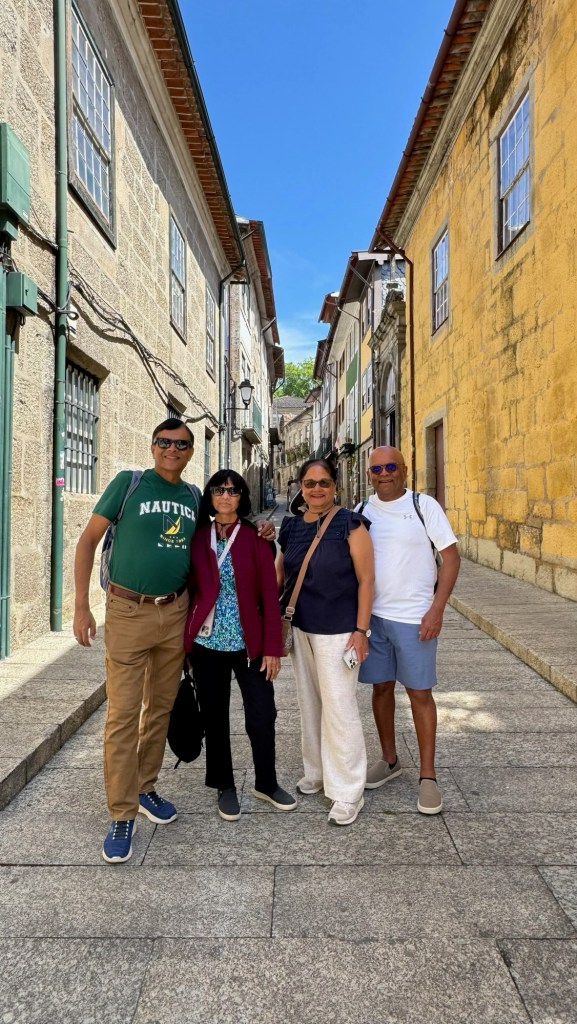
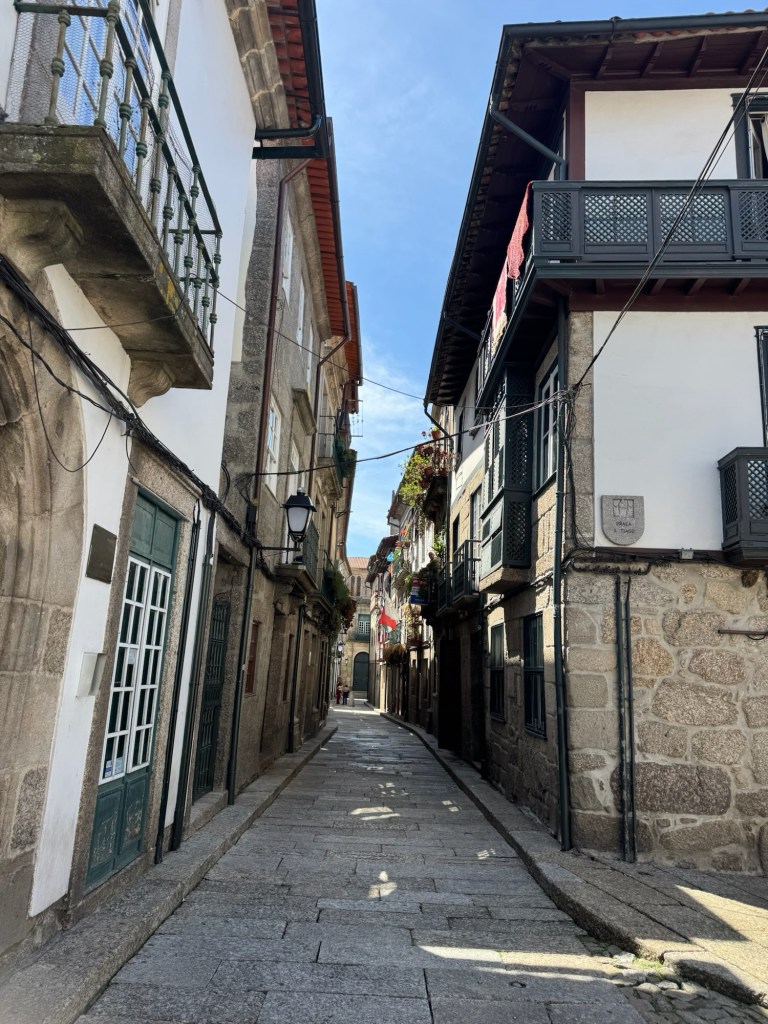
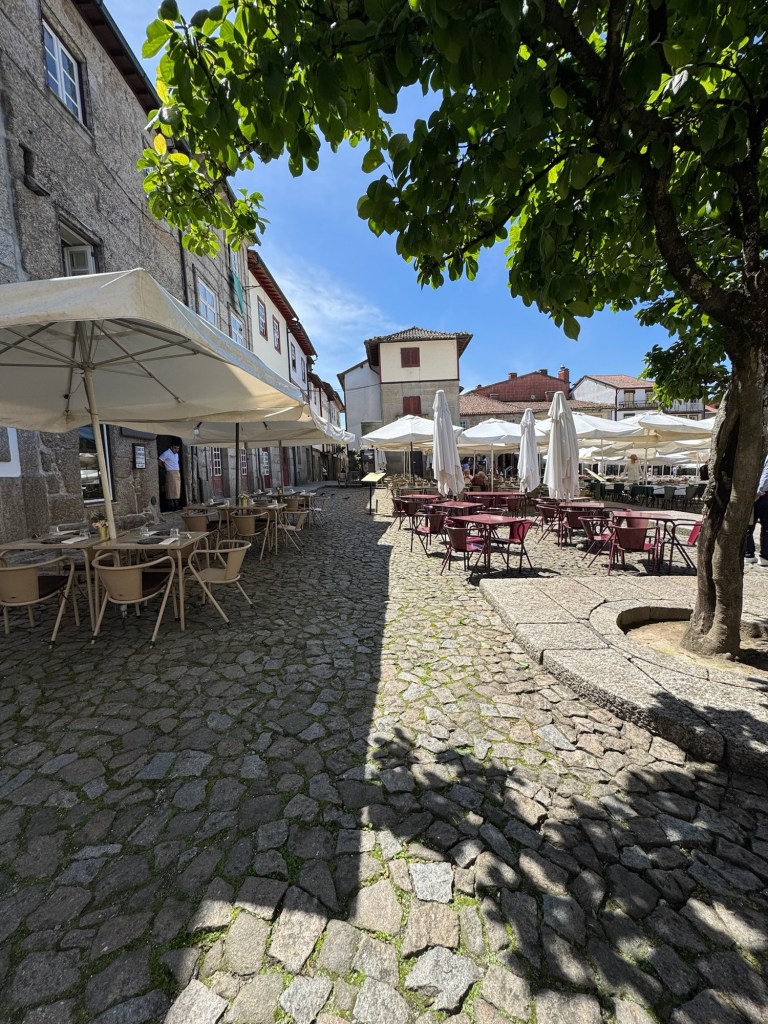
- The Centro Histórico de Guimarães is a UNESCO World Heritage site. It is famous for its well-preserved medieval streets. The center also includes charming medieval squares like Largo da Oliveira and Praça de São Tiago.
- Rua de Santa Maria: The oldest and most picturesque street in Guimarães, connecting key historic sites and lined with quaint shops and shrines.
Braga
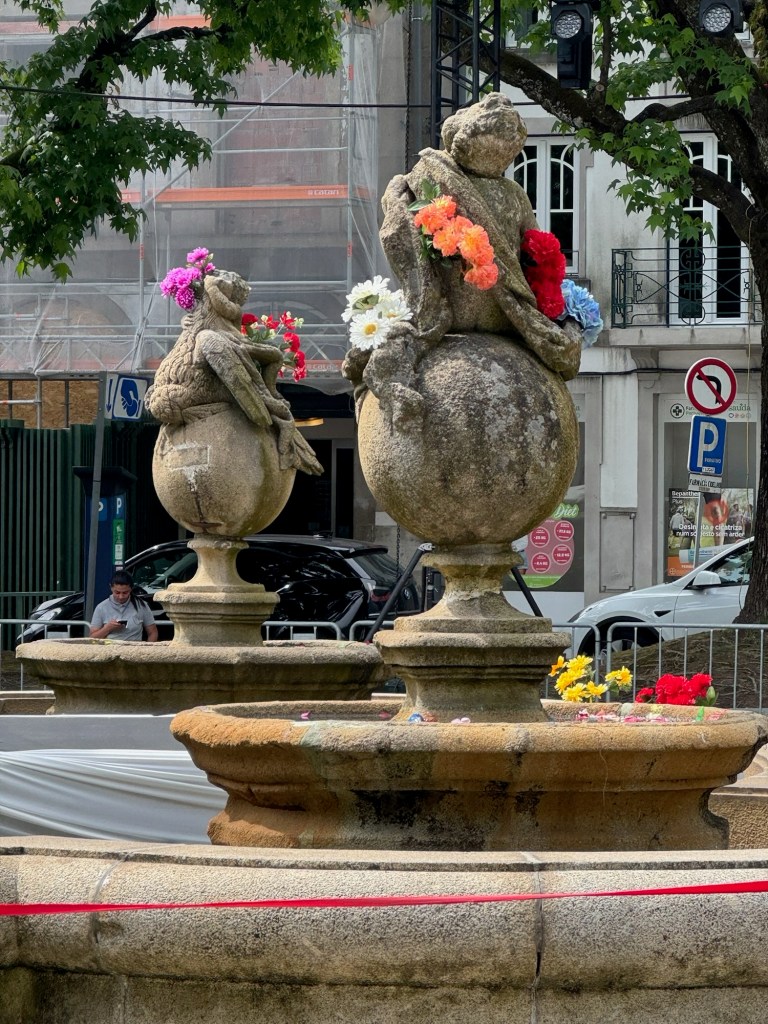
- Braga Cathedral (Sé de Braga) is the oldest cathedral in Portugal, built between the 11th and 13th centuries. It is a mix of Gothic and Baroque styles. Royal tombs of Henry of Burgundy and Dona Teresa, parents of Portugal’s first king, are housed in the cathedral.
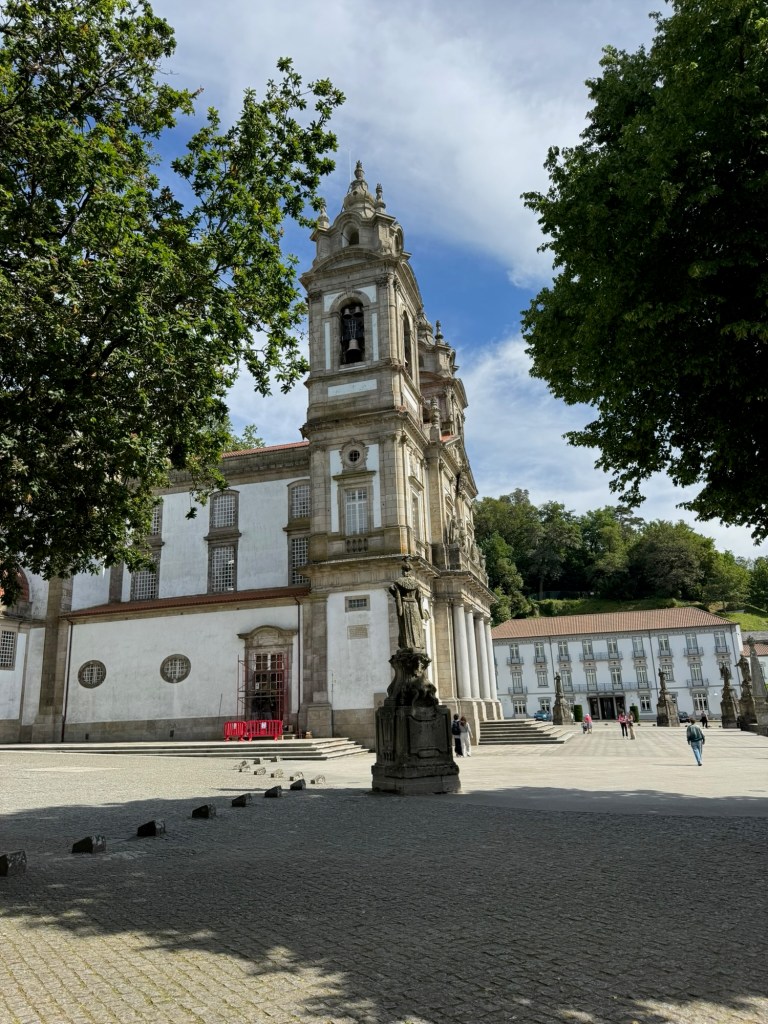
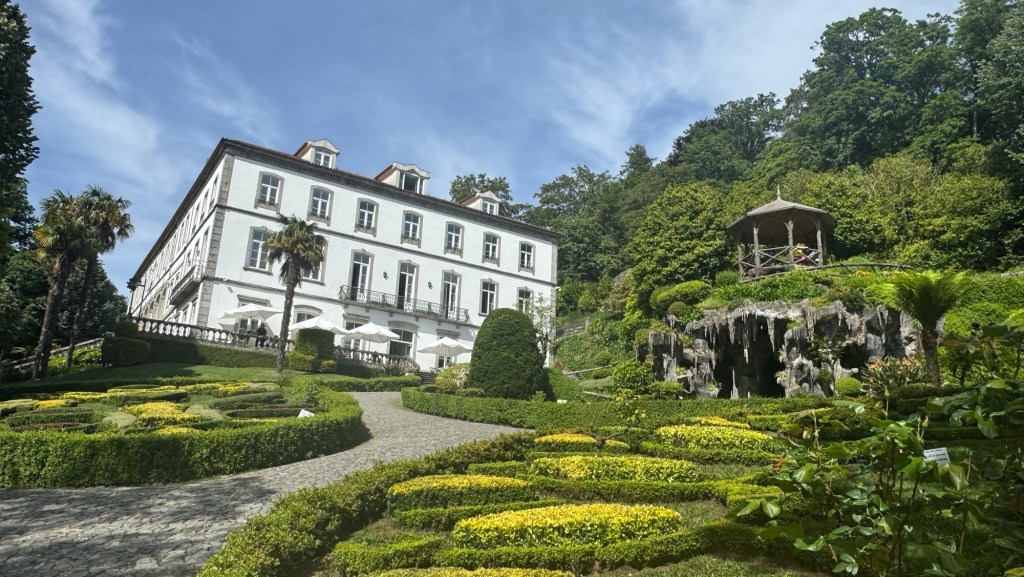
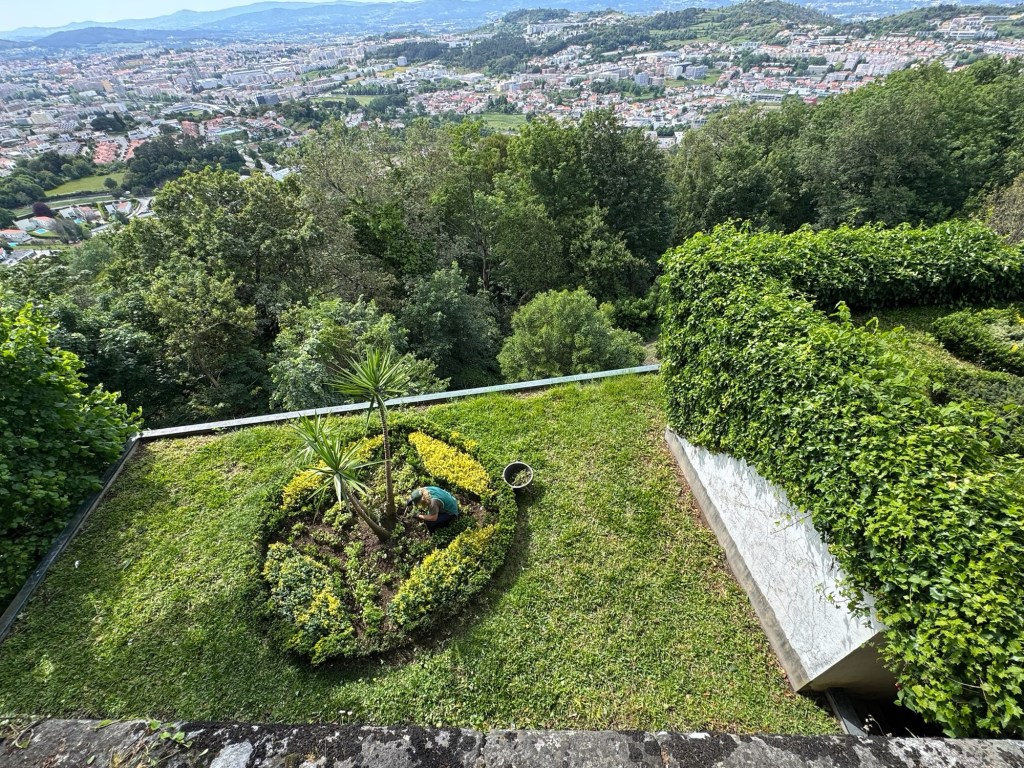
- Sanctuary of Bom Jesus do Monte, a site famous for its monumental Baroque staircase symbolizing the ascent to heaven. One can climb the 577 steps or take the world’s oldest water-powered funicular to reach the sanctuary. It is surrounded by beautiful gardens and offers panoramic views of Braga.
- Arco da Porta Nova: A historic city gate and iconic landmark symbolizing Braga’s openness, located near the city center.
- Braga Tower: Medieval castle ruins with towers and gates, offering a glimpse into the city’s fortified past.
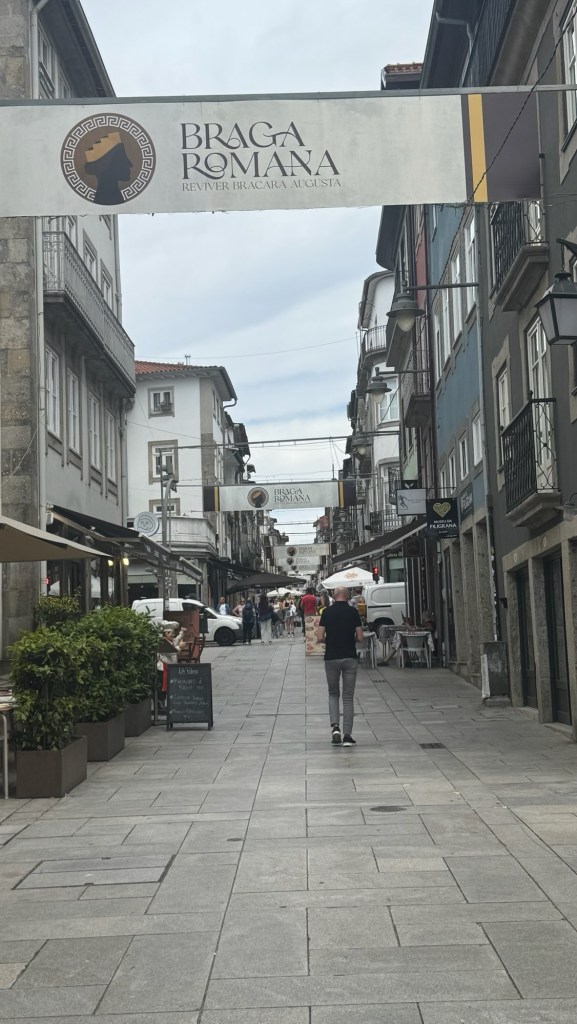
- Rua do Souto: A lively pedestrian street with shops and cafés, ideal for experiencing Braga’s local atmosphere.
- Praça da República: The bustling heart of the city where historical and modern Braga converge.
Next Blog Post …
Photo Gallery by Location
Lisbon



Sintra
The Algarve



Evora


Nazare
Aveiro

Porto








Douro Valley



Guimaraes





Michelin *

Braga






Leave a Reply