Tuesday, September 8
Breakfast at Hotel Concord offered a generous spread. I stuck to my usual cereal and croissant, plus a pot of hot water. We travel with our own cardamom chai mix, because some habits cross every border. When I asked for fresh ginger, the kitchen produced shredded ginger without blinking. That earned the hotel more stars than any guidebook could award.
A Turin Walking Tour with a Local Guide
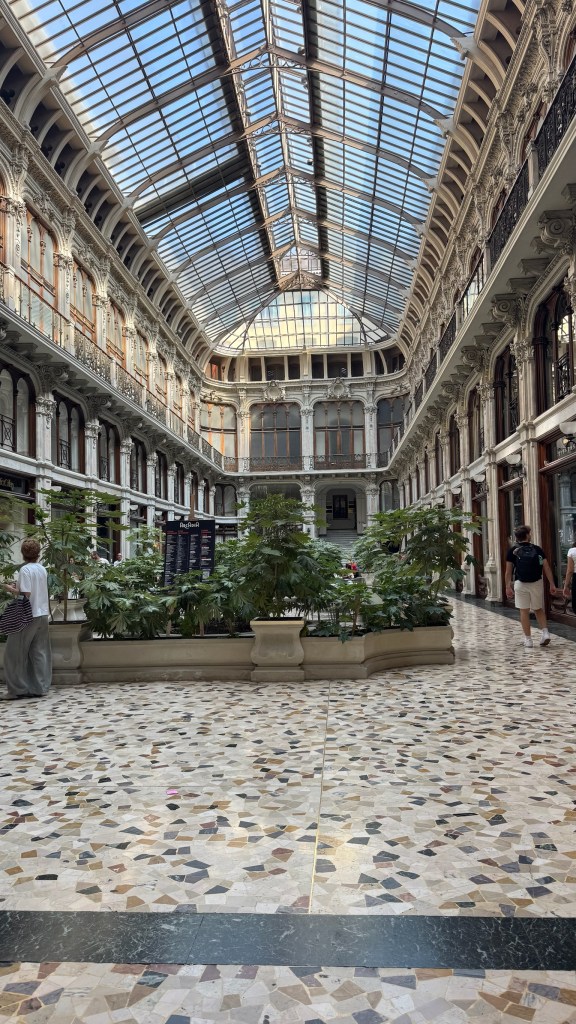
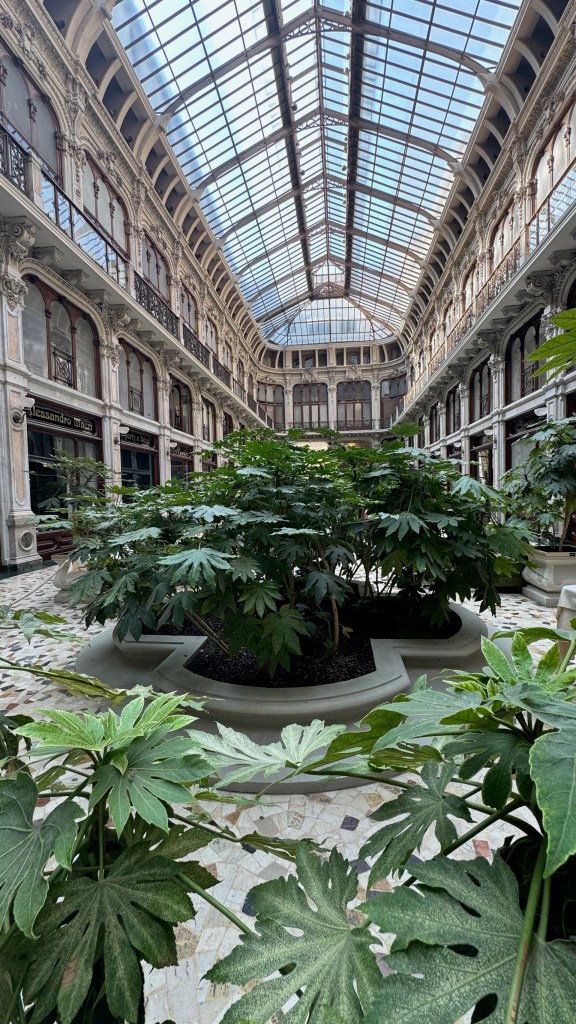
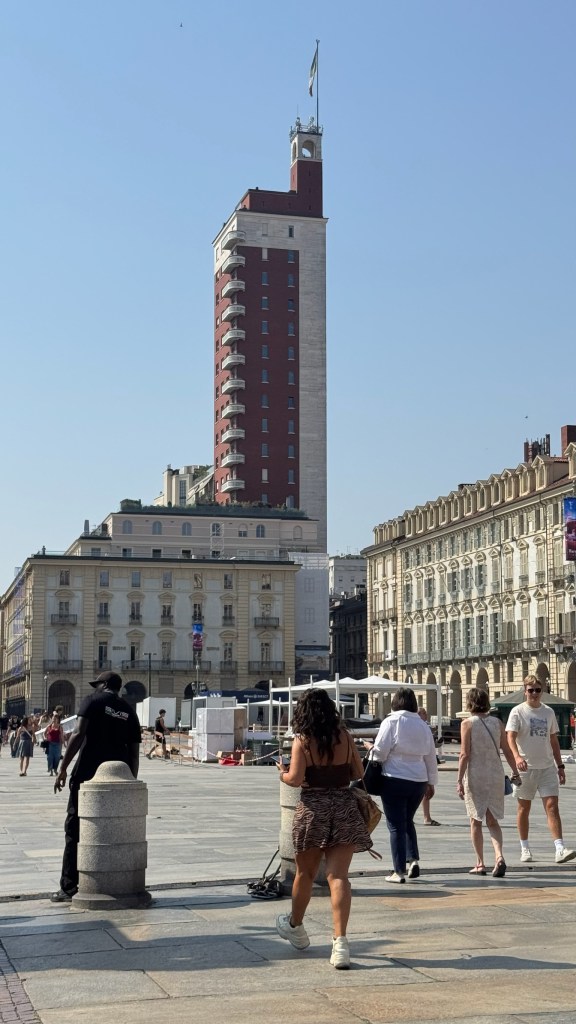
At nine, our local guide met us in the lobby and led us out on foot. We planned to see the highlights and a few hidden corners. Within ten minutes, we stood in a vast piazza.
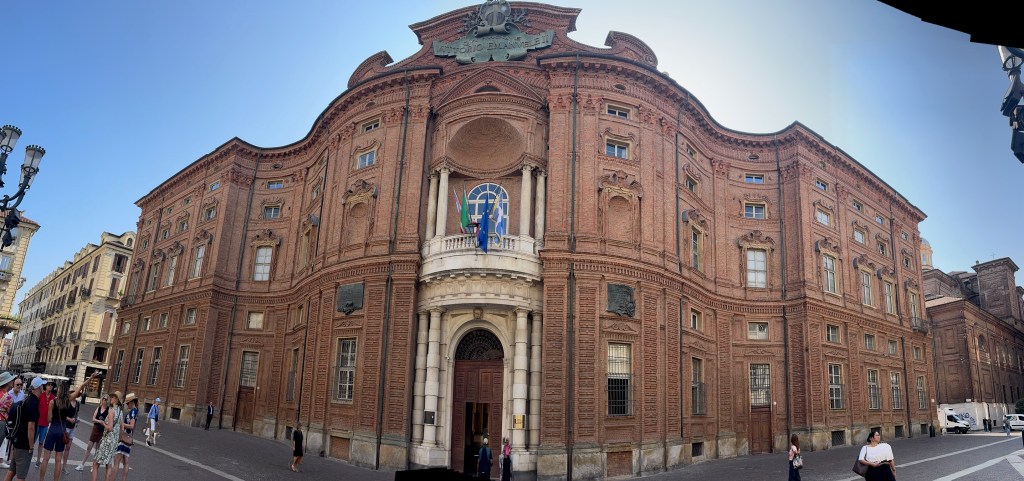
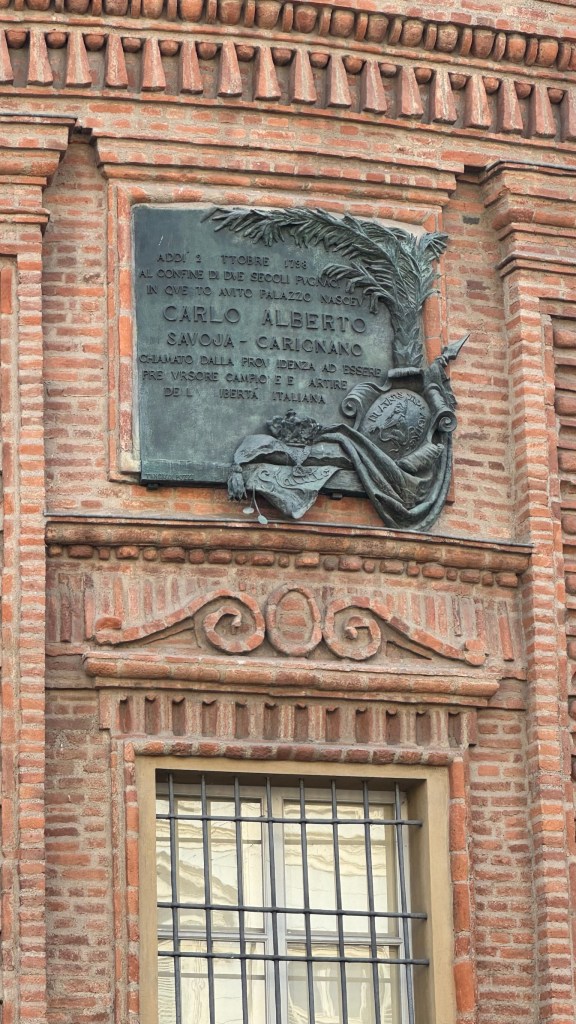
Turin is elegant in a way that feels effortless, with wide boulevards and generous squares. Roman traces survive, but the House of Savoy commissioned the real showstoppers. The Savoys ruled a large territory, and the first king of a united Italy reigned from here.


How the Savoys Came to Turin
The story starts with Emanuele Filiberto, Duke of Savoy and a general in the service of Spain. He helped Spain defeat France, and the peace settlement handed him Piemonte. In 1563 he made Turin his capital.
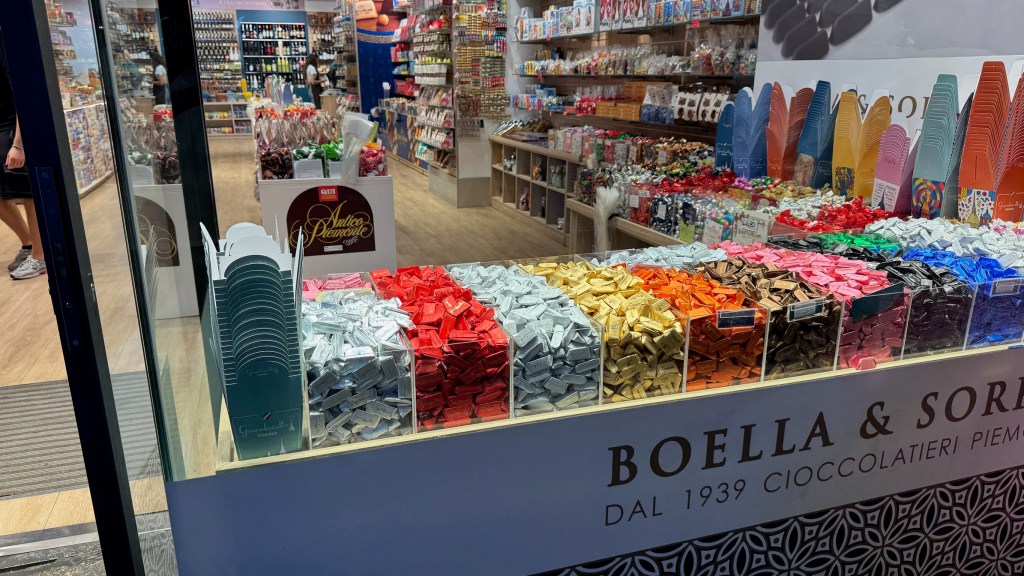
Legend also credits him with bringing chocolate from Spain’s colonies in the Americas. Whether or not he did, Turin has taken chocolate very seriously ever since.
Bicerin and Other Turin Inventions
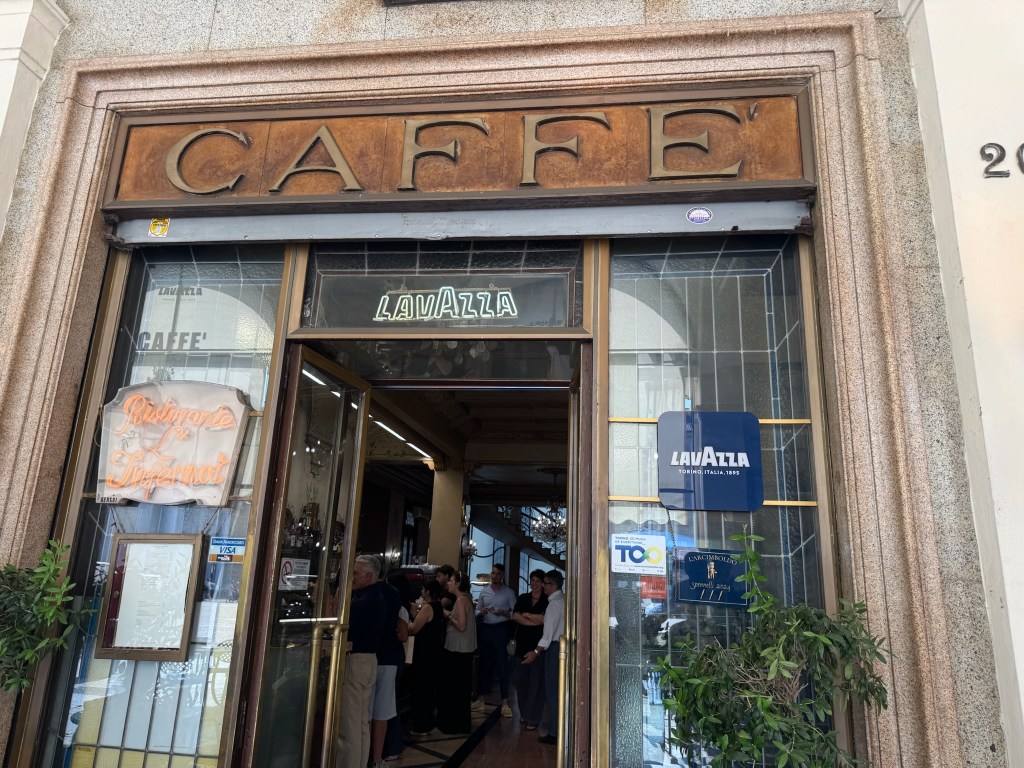
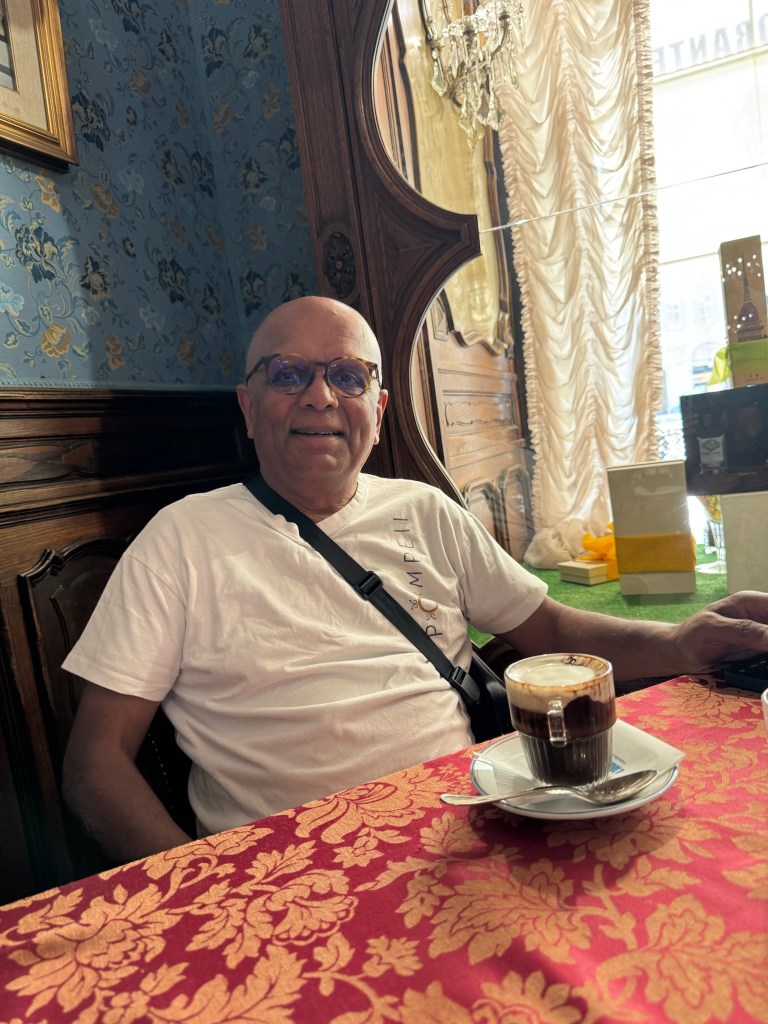
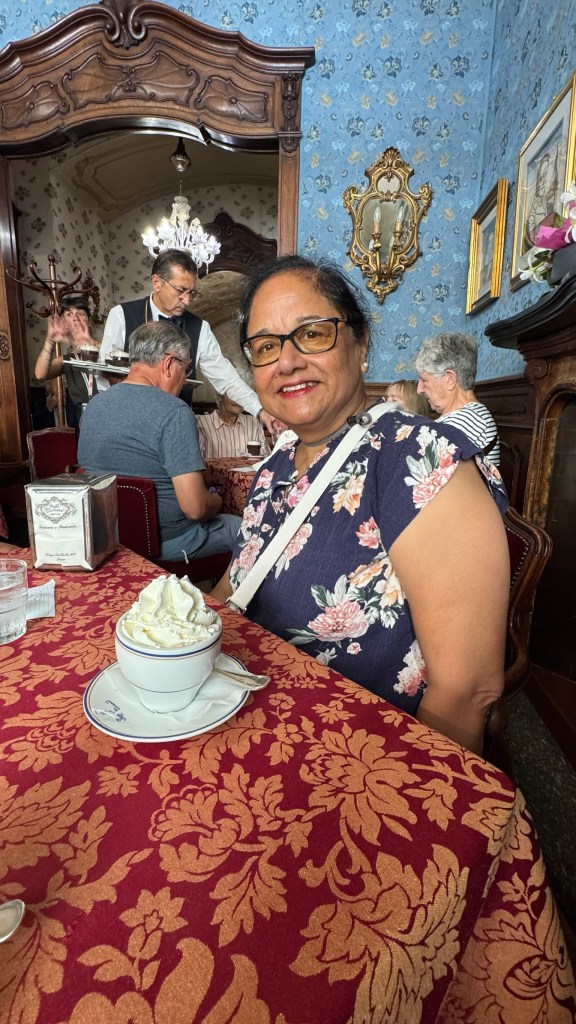
No Turin walking tour skips the food, and ours certainly didn’t. We paused for morning tea in one of the city’s historic cafés. There we met bicerin, a layered glass of espresso, hot chocolate and cream. You do not stir it. You simply surrender. Mmmmm!
Our guide then fed us a stream of Turin firsts:
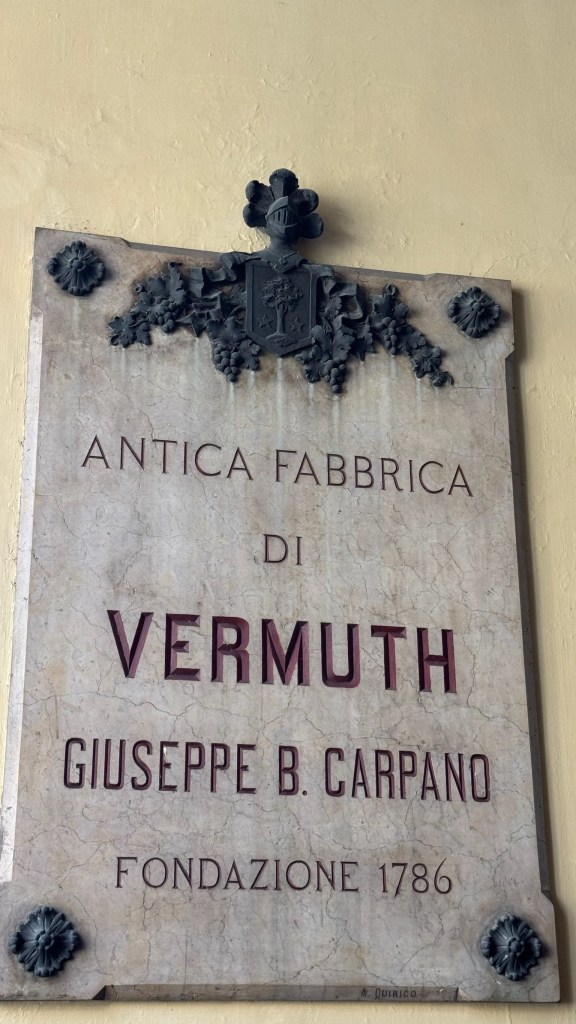
- Turin invented vermouth.
- Lavazza began here and still calls Turin home.
- Gelato maker Domenico Pepino arrived from Naples in 1884.
- Pepino later invented the Pinguino, a chocolate coated ice cream on a stick.
For a city of serious royals, Turin has a remarkably sweet tooth.



Lunch at Porta Palazzo Market
Next came Porta Palazzo, which claims the title of Europe’s largest open air market. By late morning, it heaved with shoppers. Row after row of stalls sold fruit, vegetables, meat and household goods. Indoors, the halls focus on local produce.
Our guide lives nearby and shops here regularly, which made for an excellent insider tour. Lunch arrived as toasted focaccia with tomatoes and cheese. Simple, hot and perfect.
Palazzo Reale: Tapestries, Frescoes and Stuffed Horses
In the afternoon we toured the Royal Palace, Palazzo Reale. Each room tried to outdo the last with rich tapestries and frescoes.
Then came the Royal Armoury, which deserves its own postcode. I assumed someone had embalmed the armored horses on display. Our guide set me straight: they are taxidermy mounts. Craftsmen stretched each horse’s real skin over a wood and wire frame, then stuffed it with cotton. Modern versions use resin or fiberglass replicas. The result looks alarmingly ready to charge.
Wealth inequality existed then, as it does today. Back then, though, the gap looked less like a ditch and more like a canyon.
Dinner at Casa del Barolo
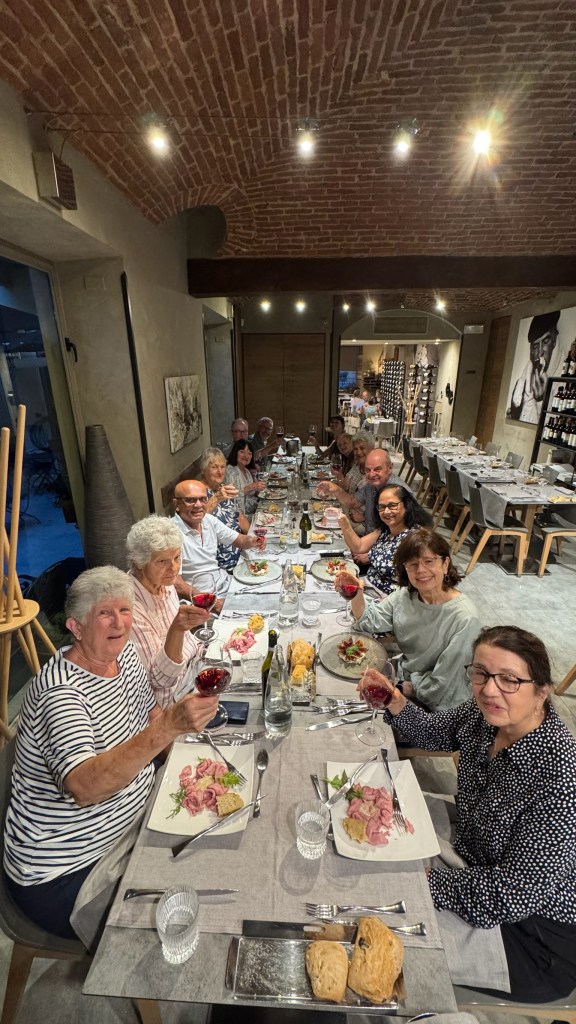
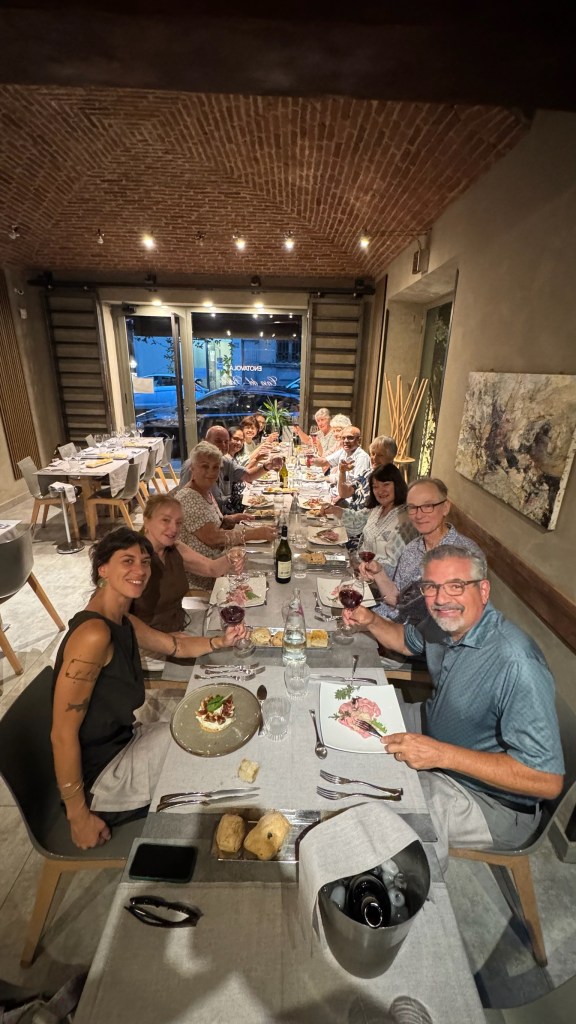
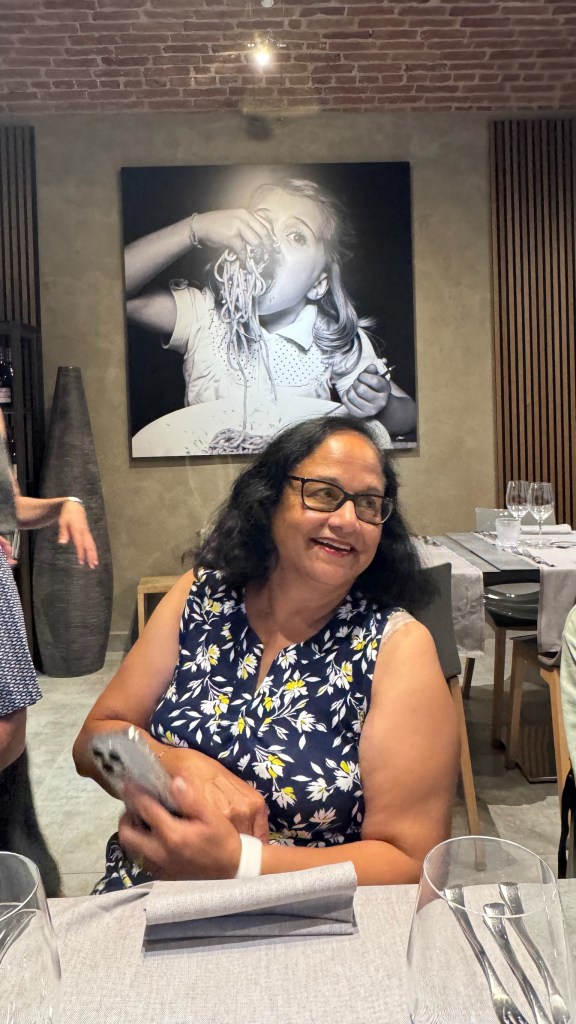
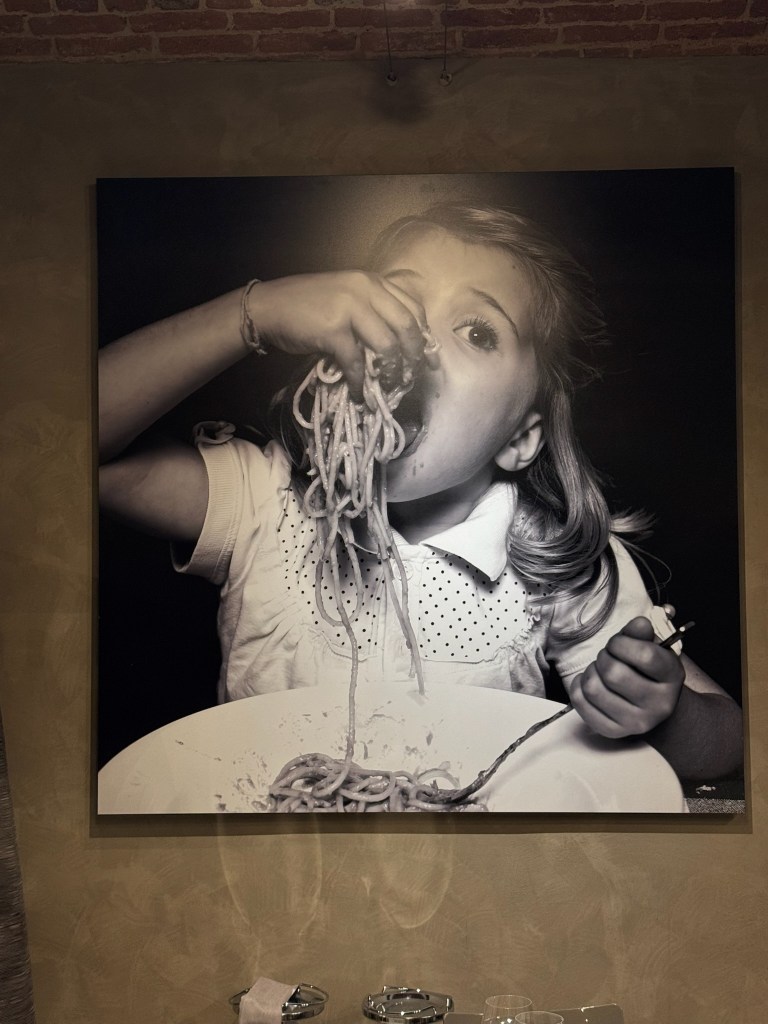
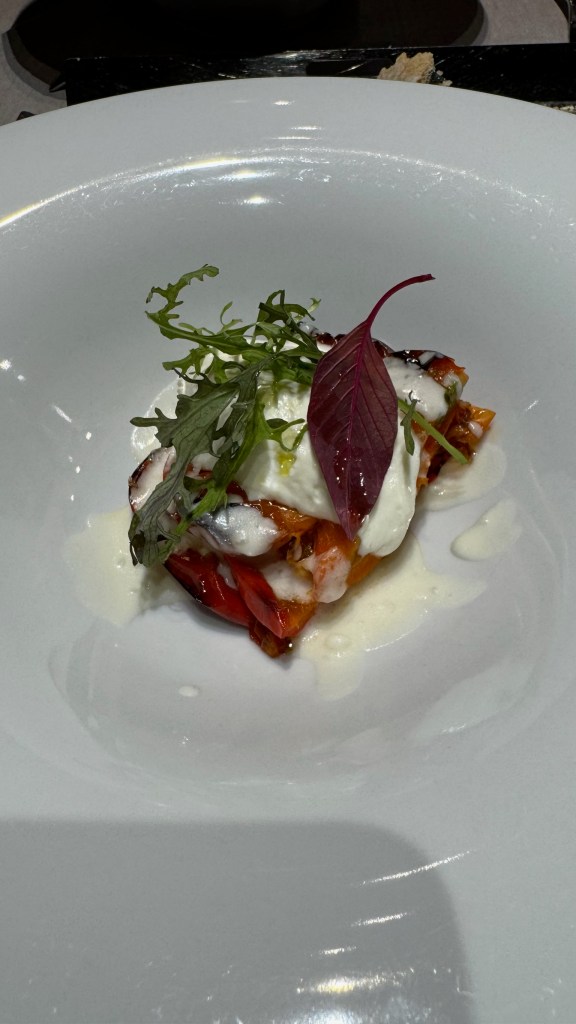
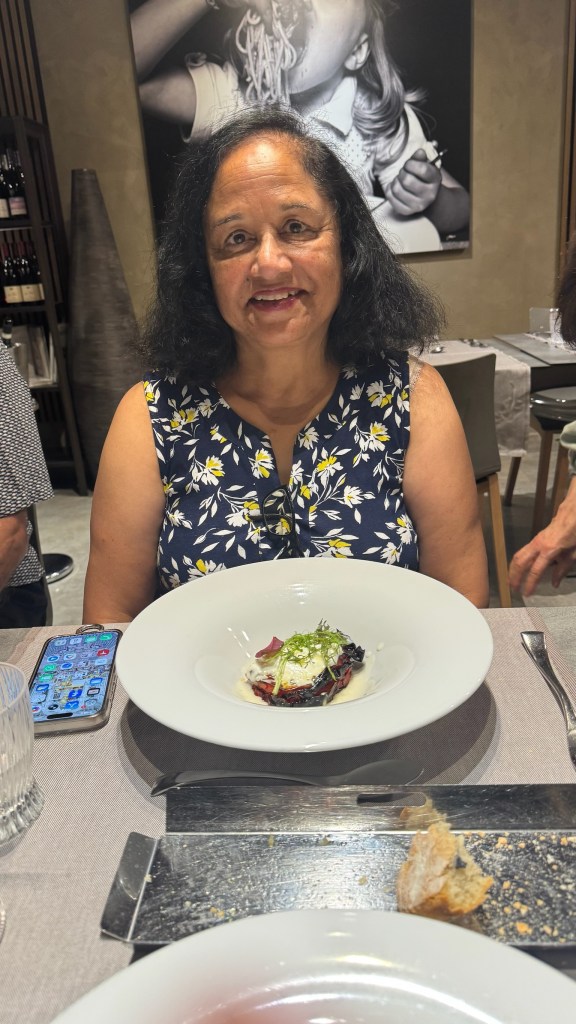
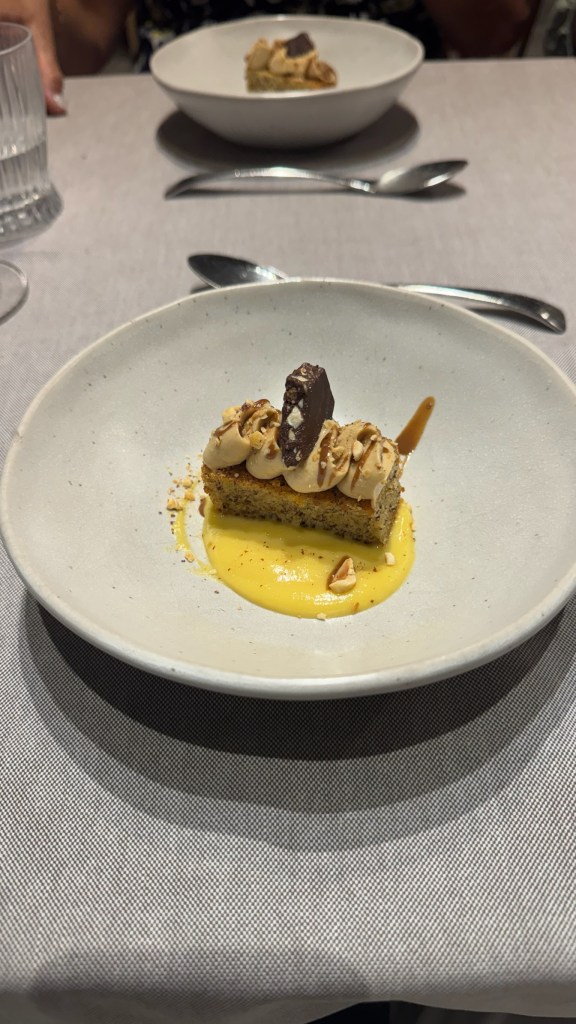
Dinner was at Casa del Barolo’s Enotavola, a showcase for Piedmontese cuisine. Six courses arrived, each with wine from the region flowing freely. Somewhere around course four, I ascended to heaven. Thank you to Malcolm at Italy With Pleasure for this wonderful dinner. The walk back to the hotel performed some much needed digestive diplomacy.


Leave a Reply