
On completion of our Antarctic Expedition, we embarked on a tour of Chile.
Whilst the temeperatures in the Antarctic Peninsula were in the 30’s fahrenheit, in Argentina and Chile it was in the 70’s & 80’s fahrenheit – their summer time.
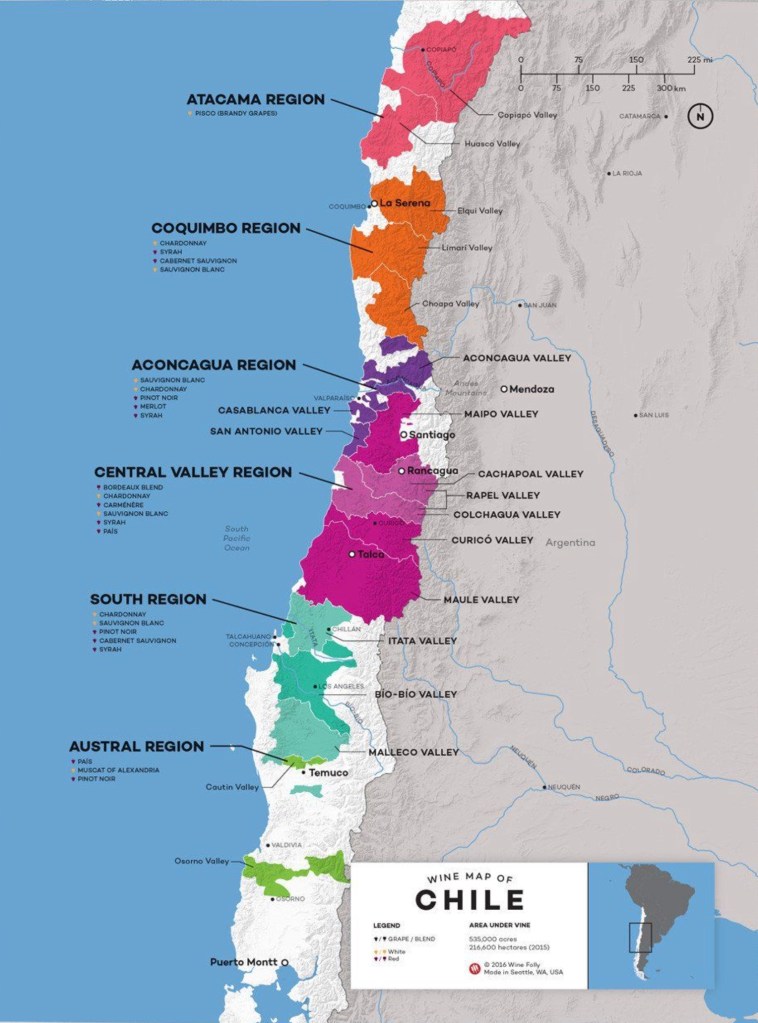
Chile is wedged between the Pacific Ocean and the Andes, just 64 kms wide at its narrowest point, but stretching down the coast of South America for 4,300 kms. It looks like a long hot pepper.


It is a land of intriguing contrasts – from gigantic glaciers, beautiful beaches, breathtaking Patagonia, intoxicating wine regions, clear Southern skites that are an astronomer’s delight, to the arid and lunar landscapes of the Atacama Desert, the world’s driest desert.
It experiences disparate climate zones, and the best time to visit depends on where you are heading. Patagonia is at its warmest and most accessible in summer, from October – March. Santiago and the Atacama are more year-round destinations, with the warmest weather lasting from November – March. January – February is peak season.
This time we opted out of visiting Patagonia and the Chilean Lake District due to time constraints. It would have to be an adventure for another day.
Our nine day tour of Chile was curated by Lucas Lanosa at SUR Travel. It included 5 days in Santaigo – with sightseeing of Santiago, day trip to Valparaiso & Vina Del Mar, two half day trips to wineries in Maipo Valley and the Casablanca Valley, and 4 days sightseeing in the Atacama Desert – a 4 hour Astronomical gazing of the Southern skies at night, Atacama Salt Lake, Archaelogical tour of Quitor & Tular, and Moon Valley.

We flew from Ushuaia to Buenos Aires (BA) on the afternoon of Jan 10th, and stayed overnight in BA at the Palladio Hotel, before catching a morning flight to Santiago.
Santiago – Jan 11th – 14th & 18th – 19th
It was hot when we landed, clearing immigration and customs did not take long. We were met by our guide, a charming fellow, and our group of six, plus a driver, made our way to the mini-bus, and the drive from the airport to the hotel, at the other end of the city, took approximately 40 mins.
It is a modern, vibrant city, with skycrappers jutting up on the skyline and the well-heeled part of the city on one side, and the less affluent on the other side. Some things do not change regardless of where one travels.
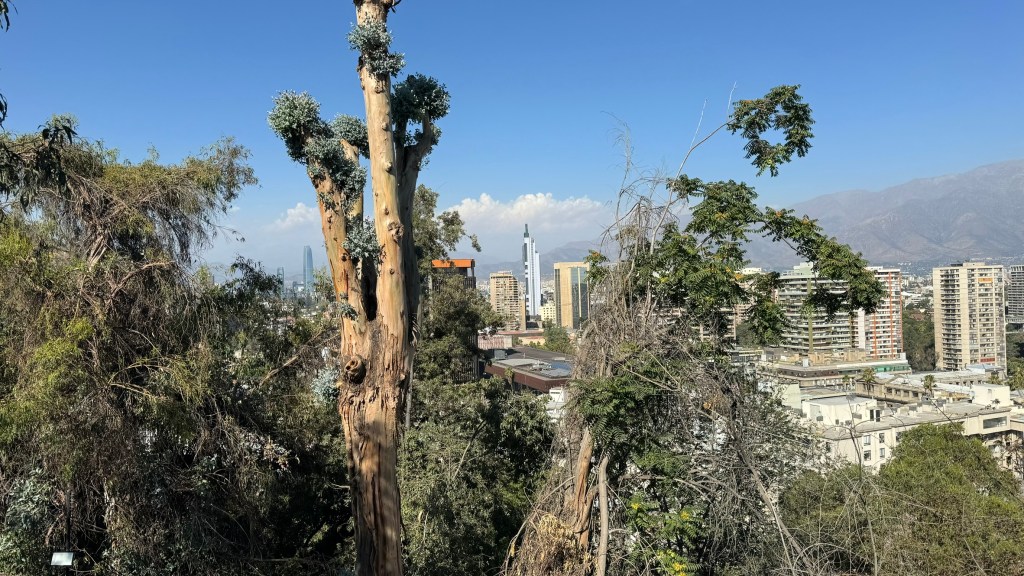
The hills that surround the city provide the perfect getaway and breathtaking views of the city against the backdrop of the Andes Mountains.
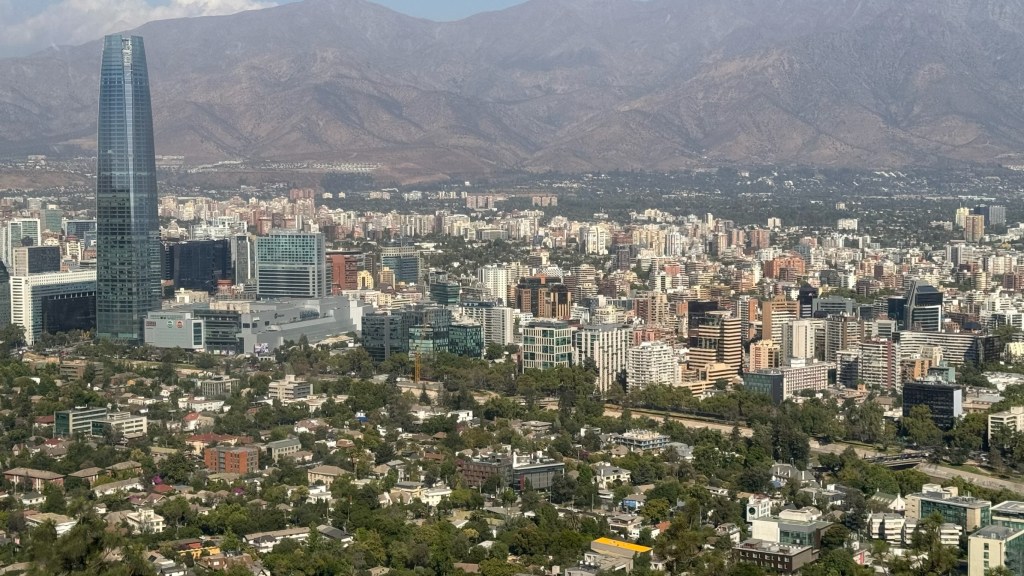

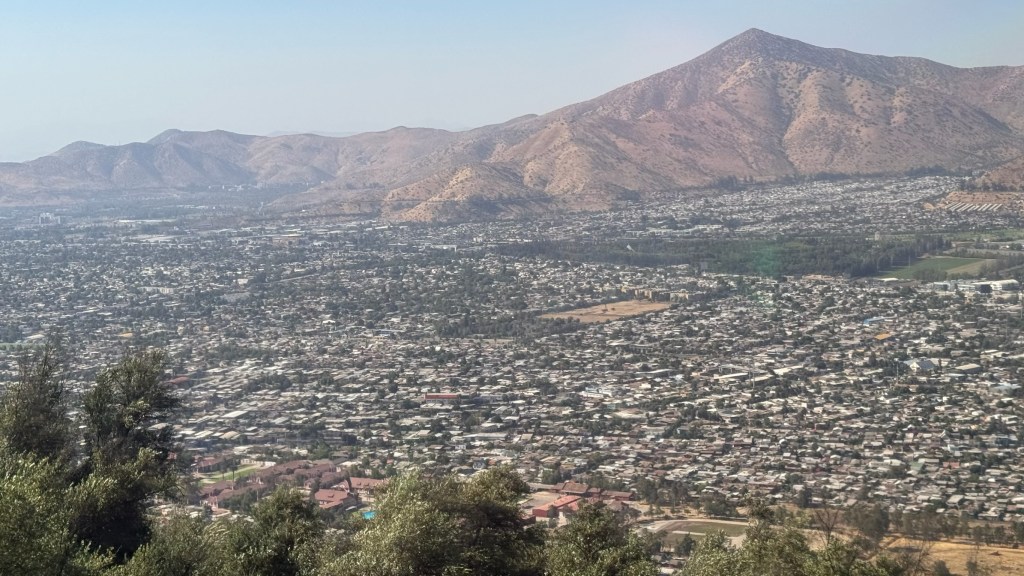
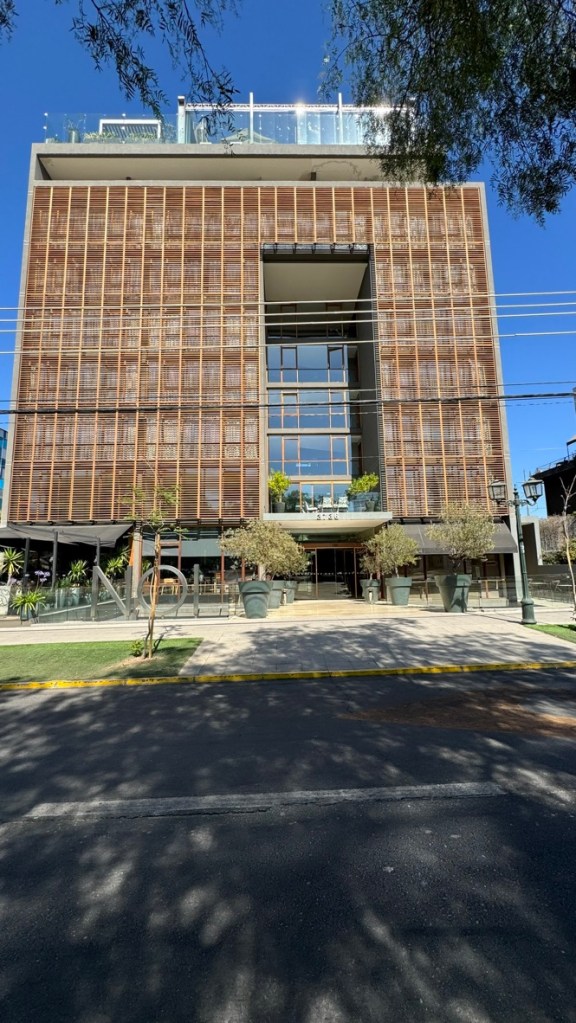
We stayed at the Noi hotel in Vitacura, a chic, residential district of the city. It’s location is close to lots of restaurants and bars, and high end retail shops in close proximity.


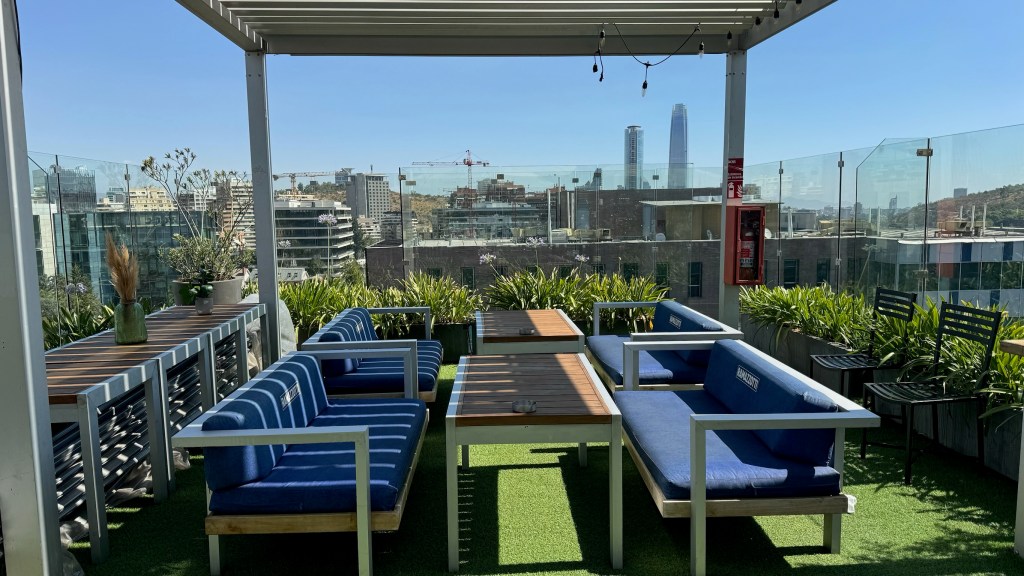


Immediately after checking in to the hotel, went for lunch at this wine bar / restuarant, Vinolia, around the corner from the hotel.

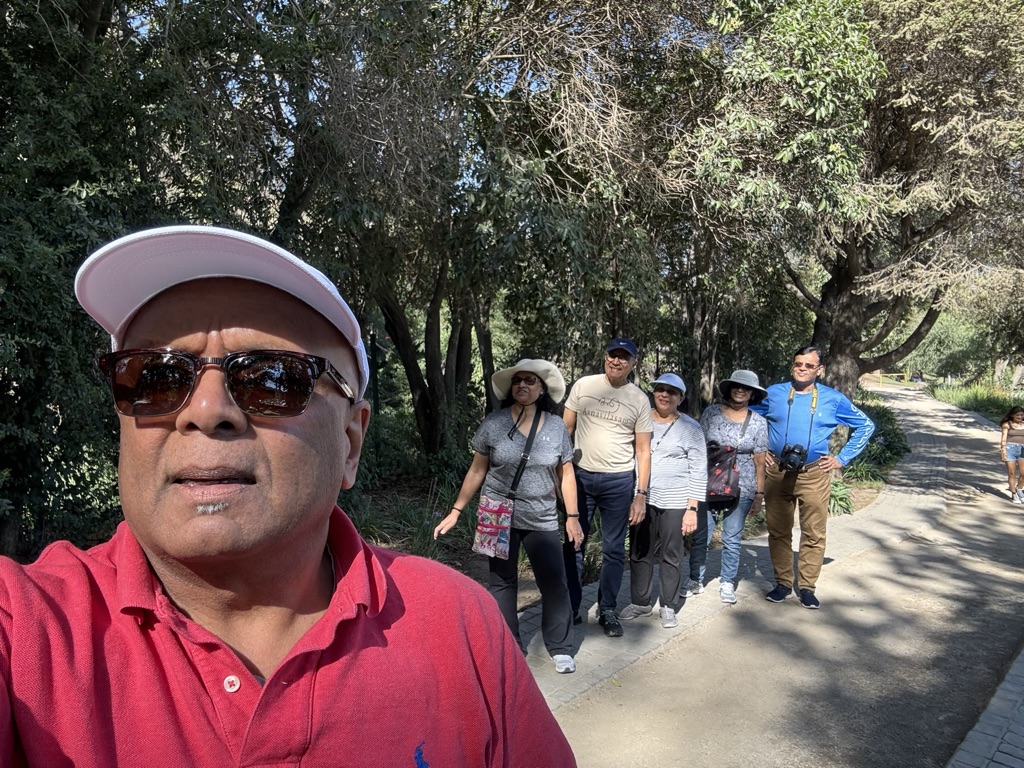
After lunch we embarked on a half-day tour of the city.
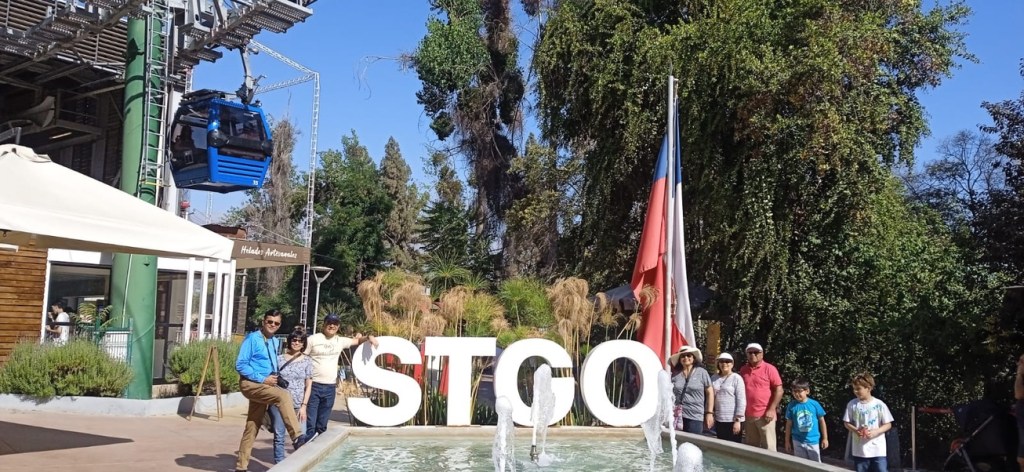
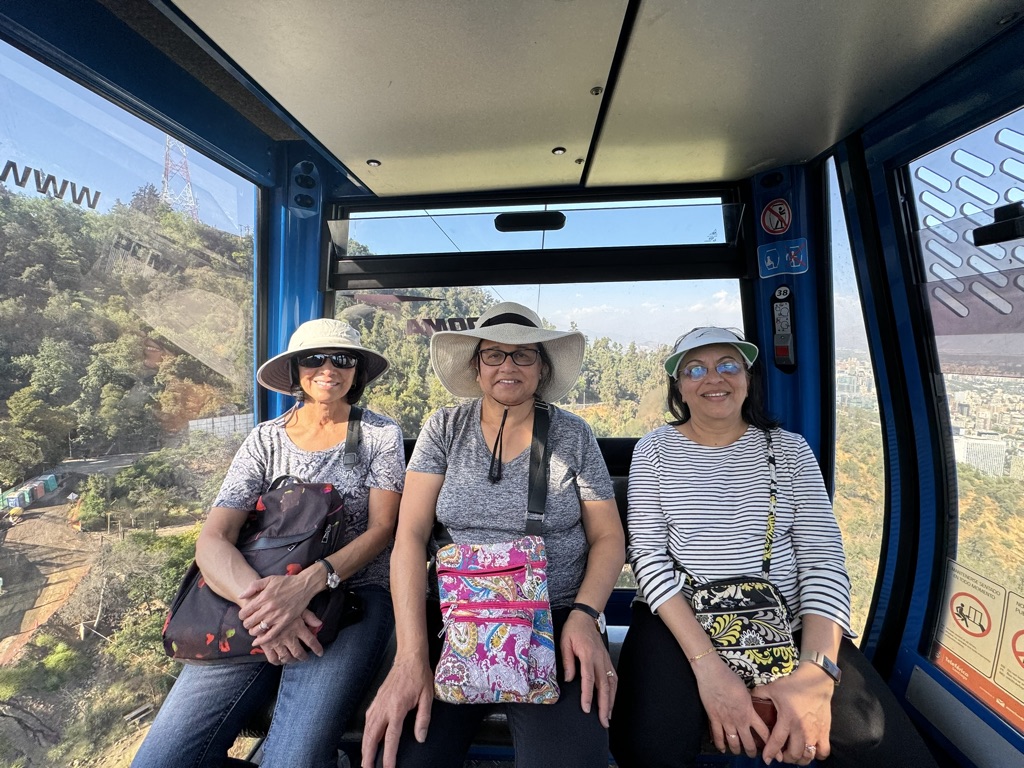
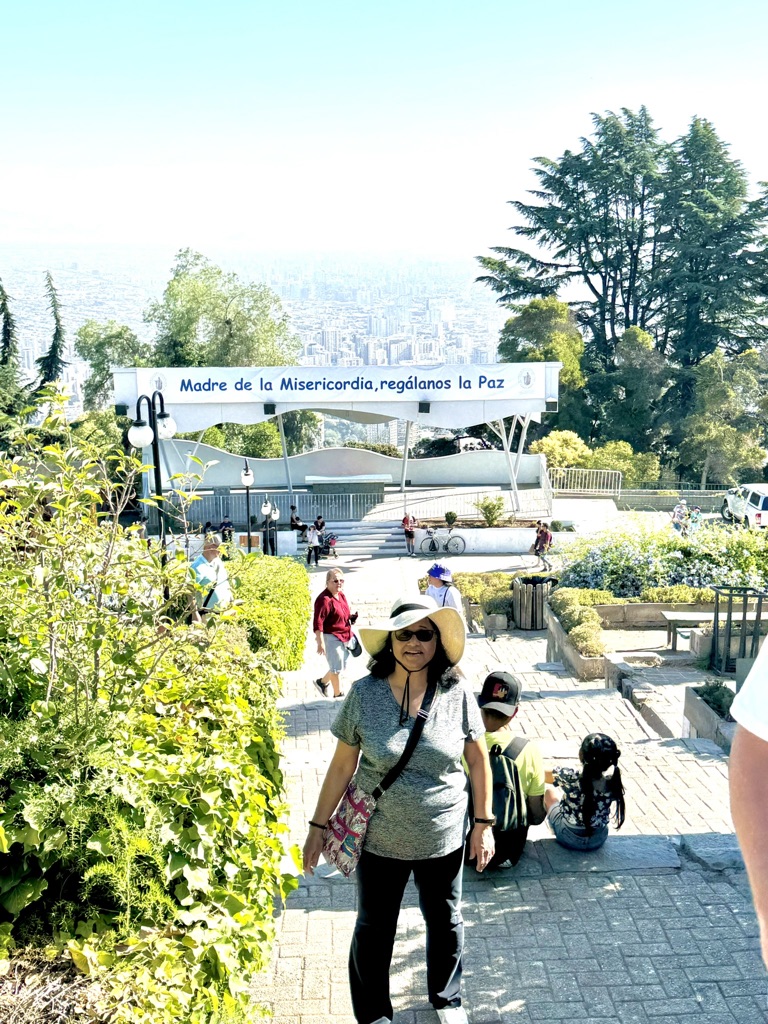
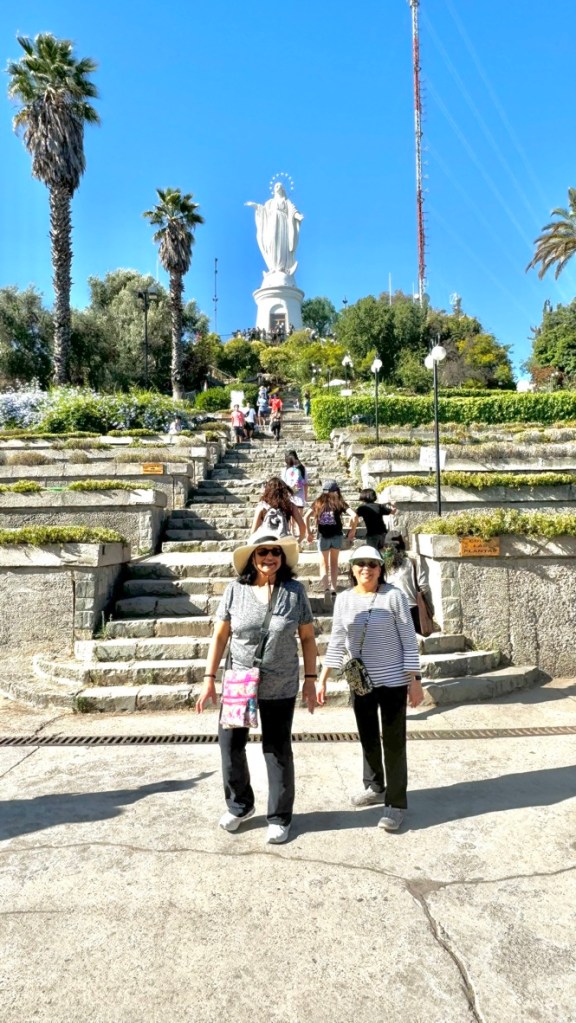
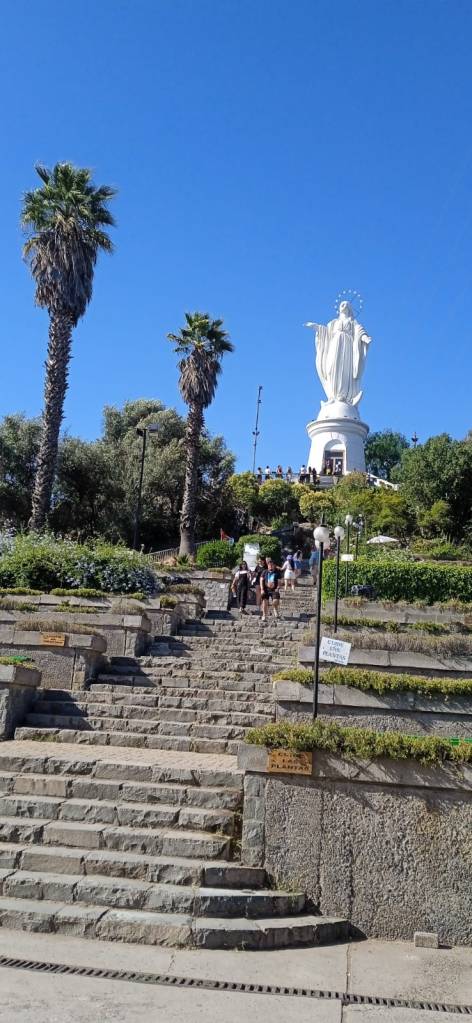
- Took a cable car ride up to Cerro San Cristobal for panoramic views of the city. The view from the top offers a bird’s-eye view of the city, Andean Mountains and Maipo-Valley;
- Drove around the city, exploring the city’s historic center, including Plaza de Armas and the Presidential Palace;
- Drove across the leafy bohemian neighbourhoods of Lastarria and Bellavista.




Maipo Valley – Jan 12th
Maipo Valley is one of Chile’s most important wine-producing regions. It is nestled just south of the capital, Santiago.
It is home to some of the country’s most prestigious wines, sandwiched between the Andes Mountains and the Pacific Ocean, creates a microclimate ideally suited for vineyard cultivation.
The valley is often described as the ‘Bordeaux of South America’, and for its robust, rich, fruit-driven flagship grape, Cabernet Sauvignon, and for producing the most iconic and renowned wine, Carmenere that has become synonymous with the Chilean wine industry.
Carmenère disappeared from its native Bordeaux following the phylloxera outbreak in the mid-1800s. It was considered practically extinct until a fateful visit to Chile from French ampelographer Jean-Michel Boursiquot in November 1994.
Since its shocking discovery in 1994 Chile’s Carmenère has undergone a radical transformation, and in recent years it has flourished as winemakers have gained a mastery of this unique variety.
Although white wine is less commonly produced in the Maipo Valley, they are also some of the best in Chile. White grapes are grown along the coastal areas of the Maipo Valley.
The first vines were planted around Santiago around the mid-16th century, initiated by the work of the Spanish conquistadors and missionaires who introduced European vines to the region. It wasn’t until the 1800s that viticulture began to expand significantly, as an indirect result of entrepreneurial Chileans growing rich from the mineral wealth found in the Atacama Desert to the north.
The vineyards of Cousino Macul, Concha Y Toro, and Santa Rita were developed during this period, and they remain today important names in the Chilean wine industry.
- Vina Santa Rita
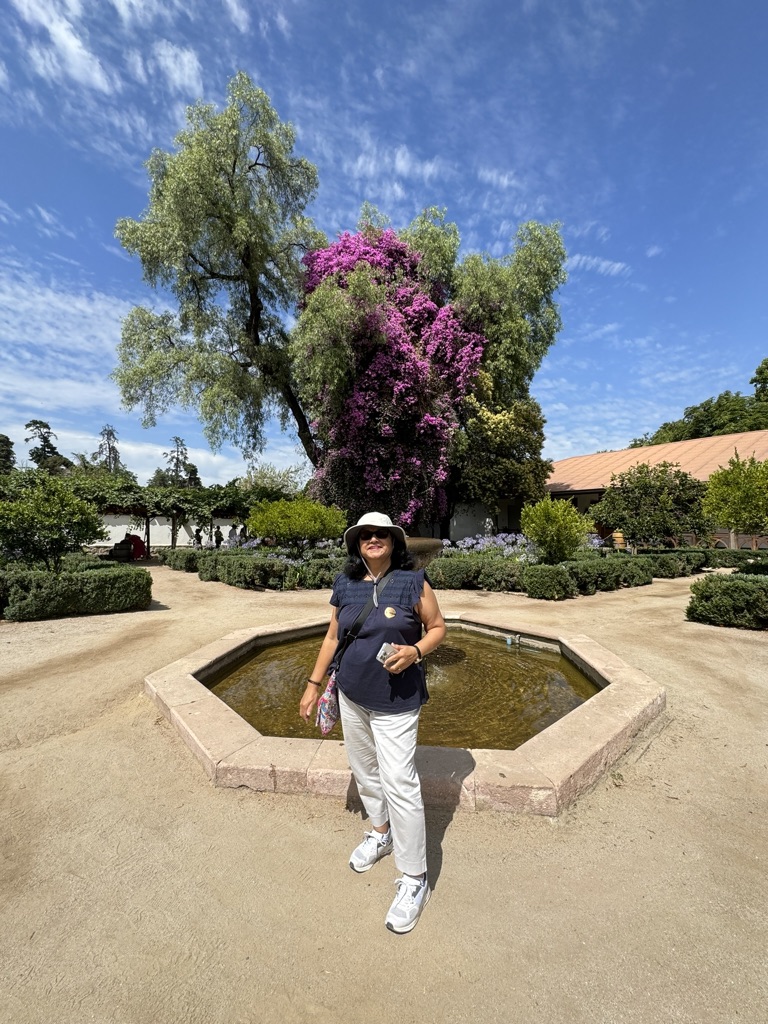
Founded in 1880, the Santa Rita winery is set amongst almost 100 acres of Renaissance-style gardens offering a colourful and beautiful sanctuary.
On the grounds one can find a huge colonial mansion which is now a boutique hotel, and includes a Neo-Gothic chapel and Roman-style baths dating back to the nineteenth century, an Andean museum with over 3,000 exhibits from Pre-Colombian and Post-Conquest Chile up to the present day, and a restaurant originally built as a refuge for independence soldiers in 1818, now named after legendary patriot Doña Paula Jaraquemada.


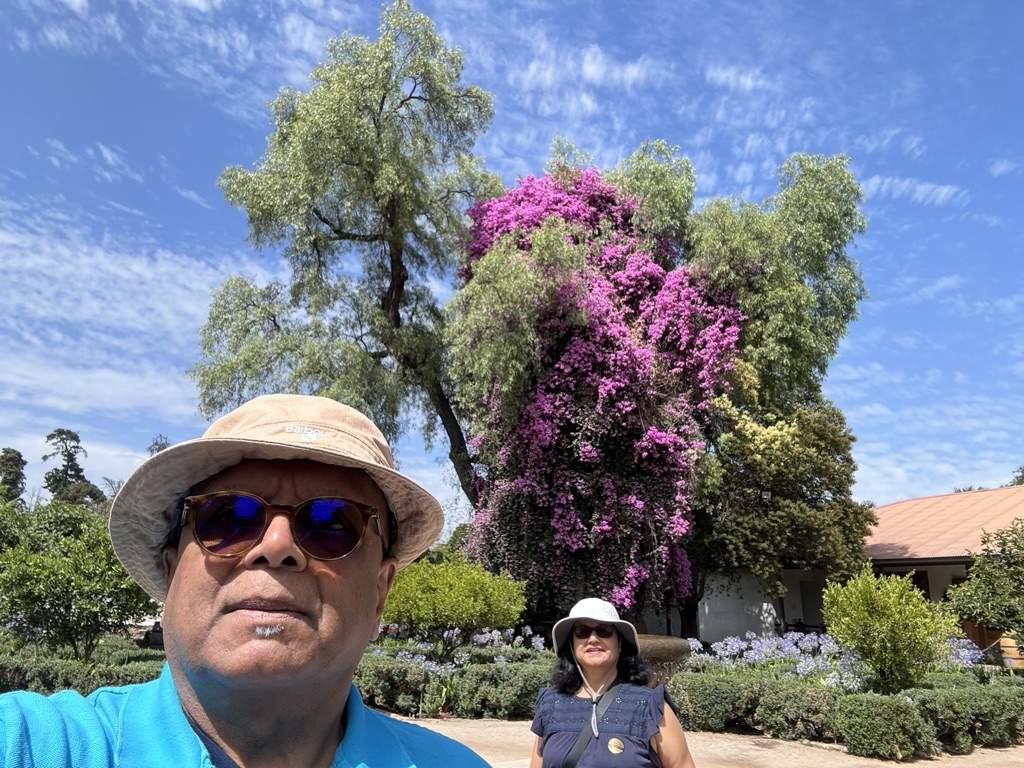


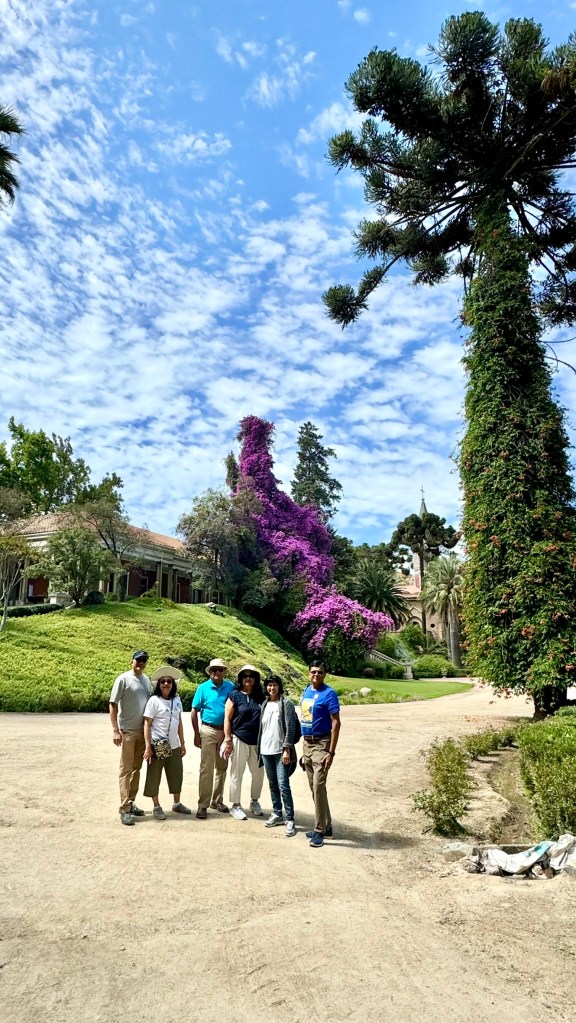

The wine tasting was ok for me, whereas others in the group liked them, and wanted to taste their premium wine in order to buy it, but our wine guide went real stingy. Not sure why! And to make matters worse we were rushed, though this was our guide rushing us as we were getting late for lunch at the vineyard. The lunch was delicious and so were the reds that they served. Enough to make the guys happy!!
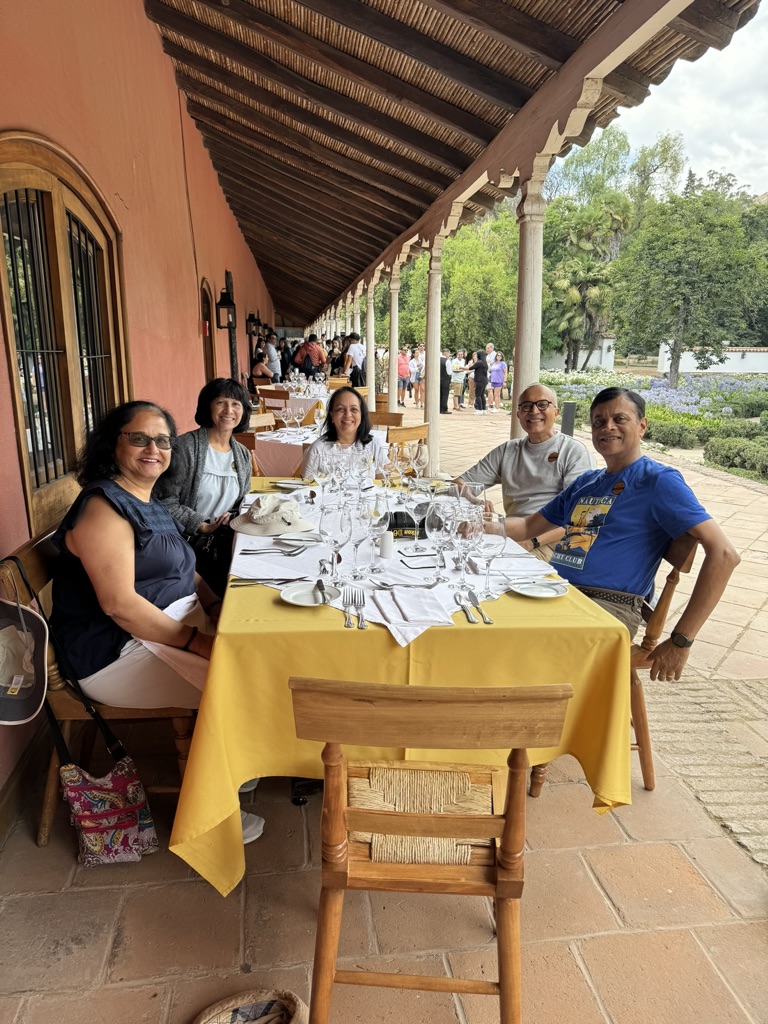
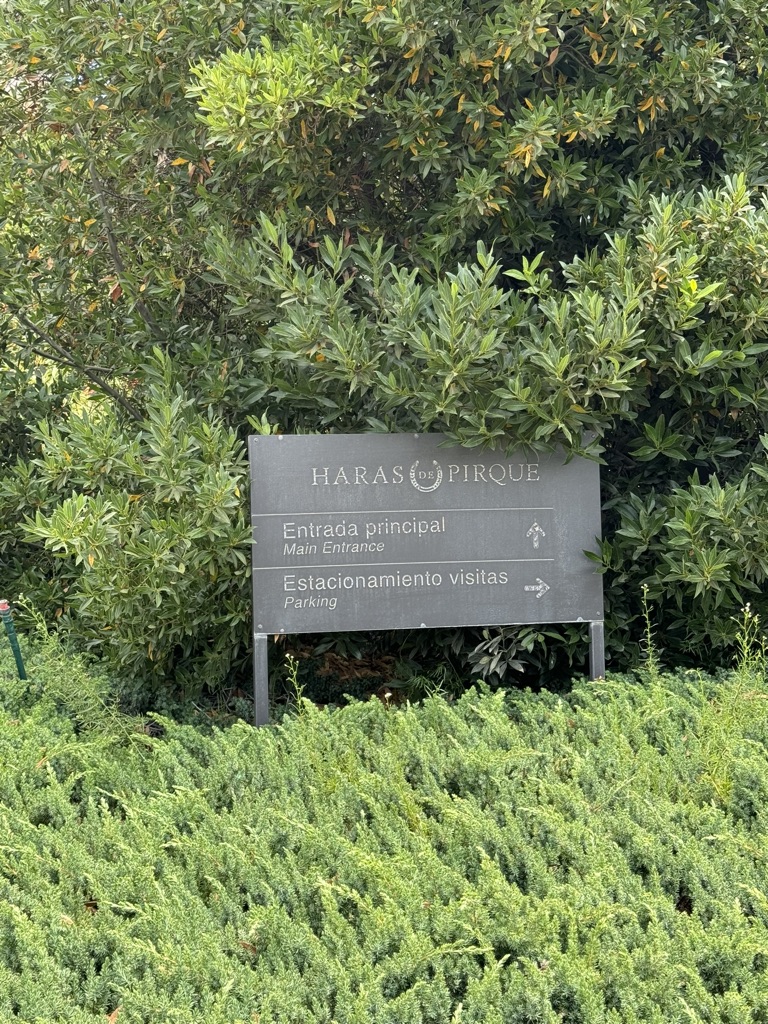
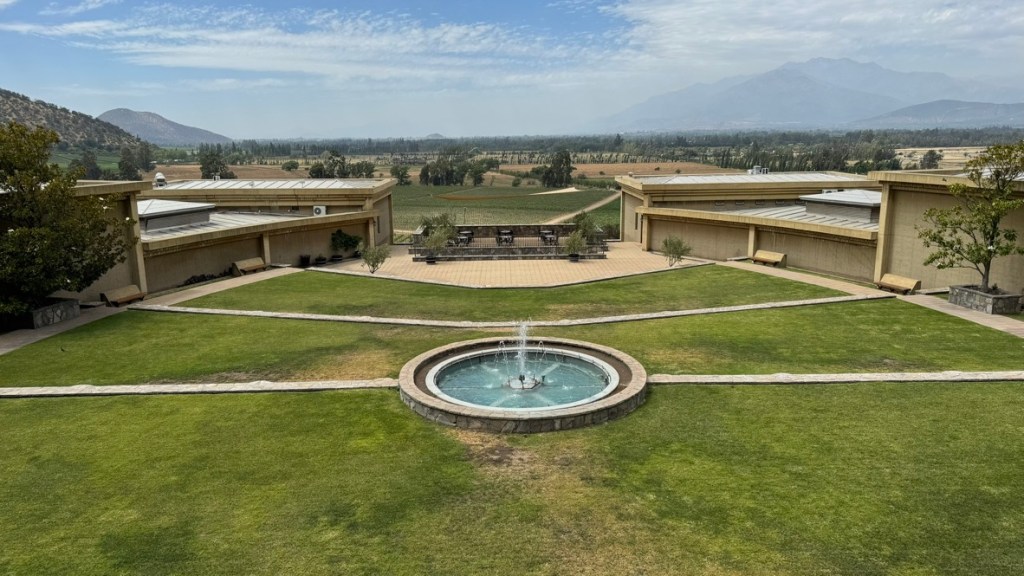
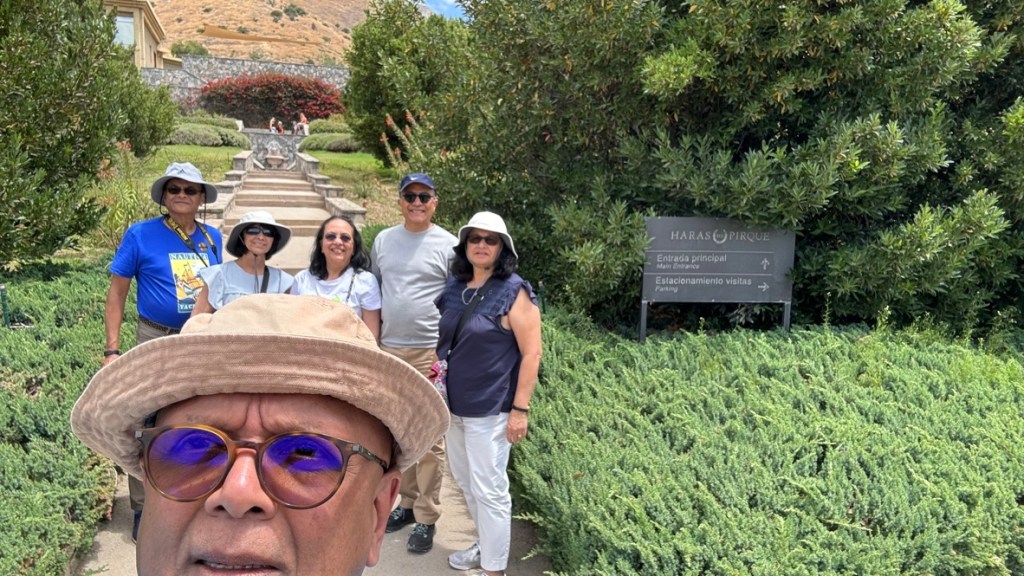
- Haras de Pirque – all the wines and vineyards are organic
The property is located in Pirque, a central area of the country, one of the most prestigious and renowned areas of the Maipo Valley for planting vineyards, at the foot of the Andes Mountains. The Maipo Alto area is located between 500 and 800 meters above sea level.
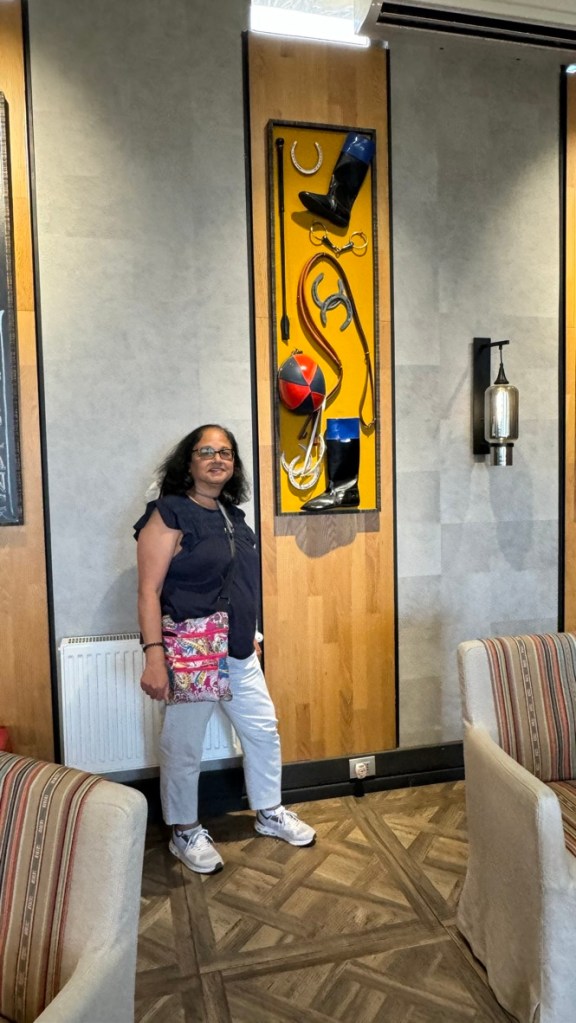
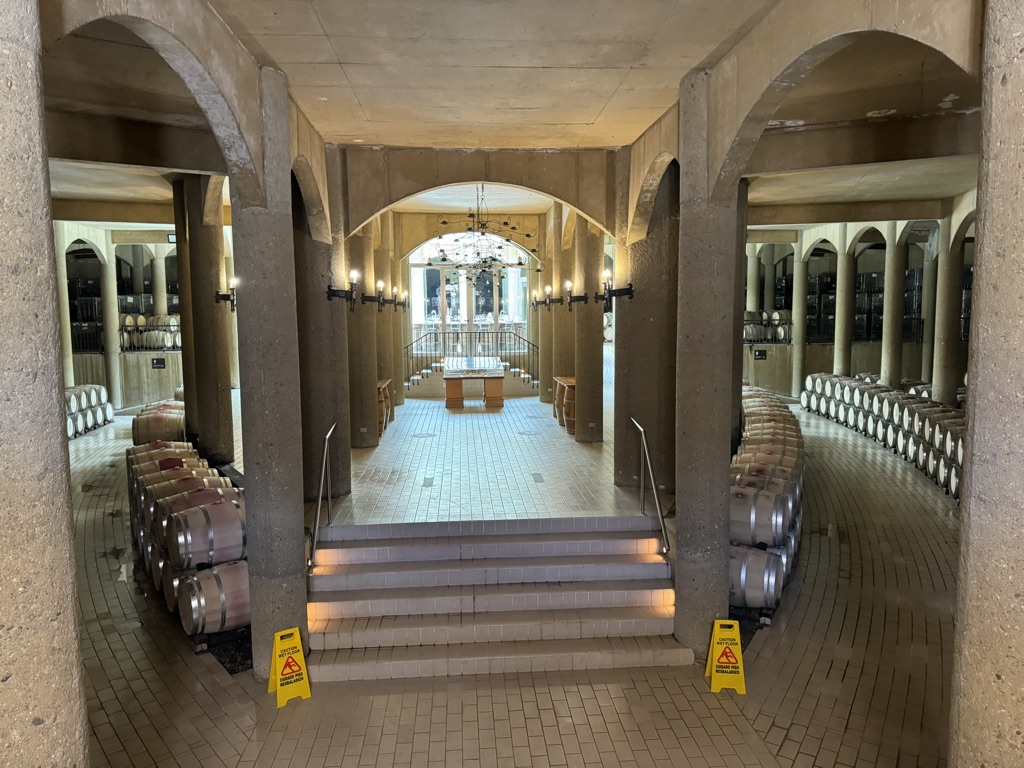
The original owners apparently had passion for fine wines and thoroughbred horses. Their magnificent wine cellar is built in the shape of a horseshoe.
The winery was purchased in 2017 by the Antinori, the Tuscany-based family company that makes high-value wines in several regions of Italy, notably in Chianti Classico.
The winery is located at the foot of the hill, the fermentation warehouses have a marked slope that allows the grapes and musts to be processed by gravity, reducing the use of motor pumps and other equipment. This technique substantially prevents the risk of oxidation, softer tannins and the protection of the aromas and flavors of the wine. And the wine was good – good enough to make me buy!






Casablanca Valley – Jan 14th
Nestled between the coastal mountains and the Pacific in the valleys of Chile’s central area. The wine region sits within a few short miles of Valparaiso and Vina del Mar, around 48 miles from Santiago.
The region is relatively new by Chilean standards. Its wineries have been responsible for a large portion of Chile’s total wine production since the 1980s. In fact, this is the country’s top region for white wine production.
The breathtaking views here are hard to miss. The valley stretches 20 miles along the coastal region of Chile, near the Andes Mountains.
- Kingston Family Vineyards
The farm has been family-owned and operated for more than a century, and since 1998 with a focus on sustainable farming practices and high-quality wines. It is a small winery compared to others in the valley.
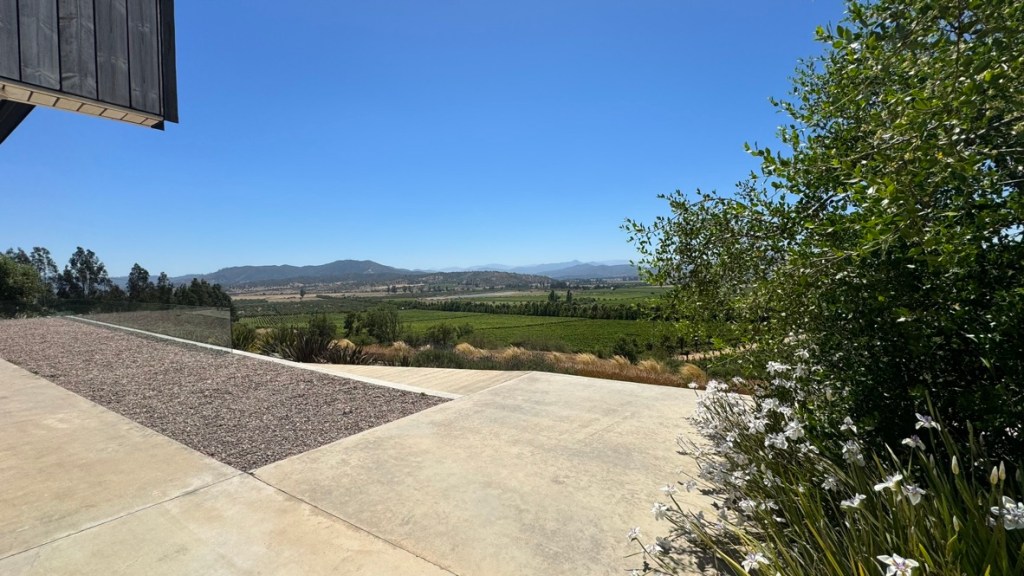
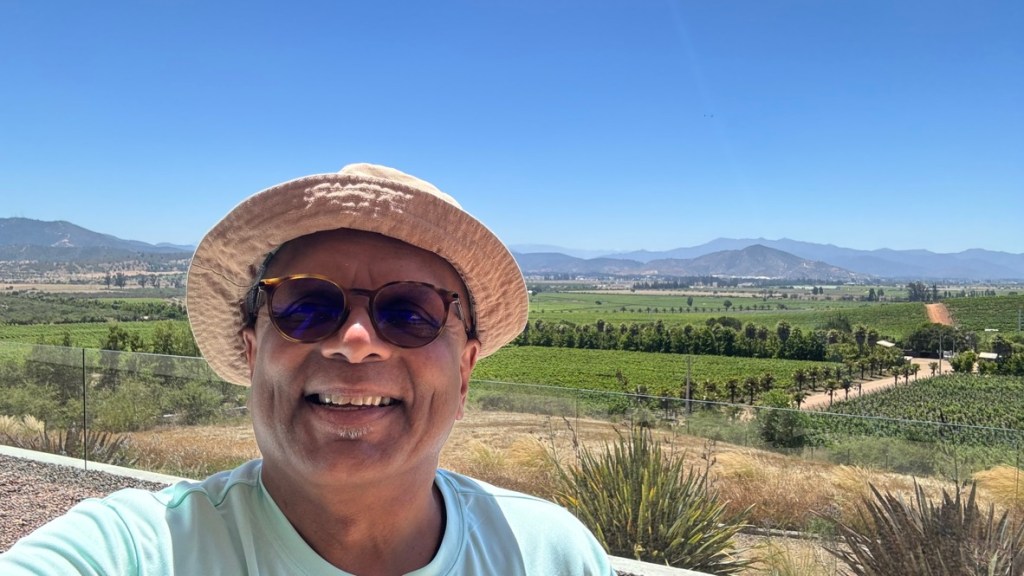
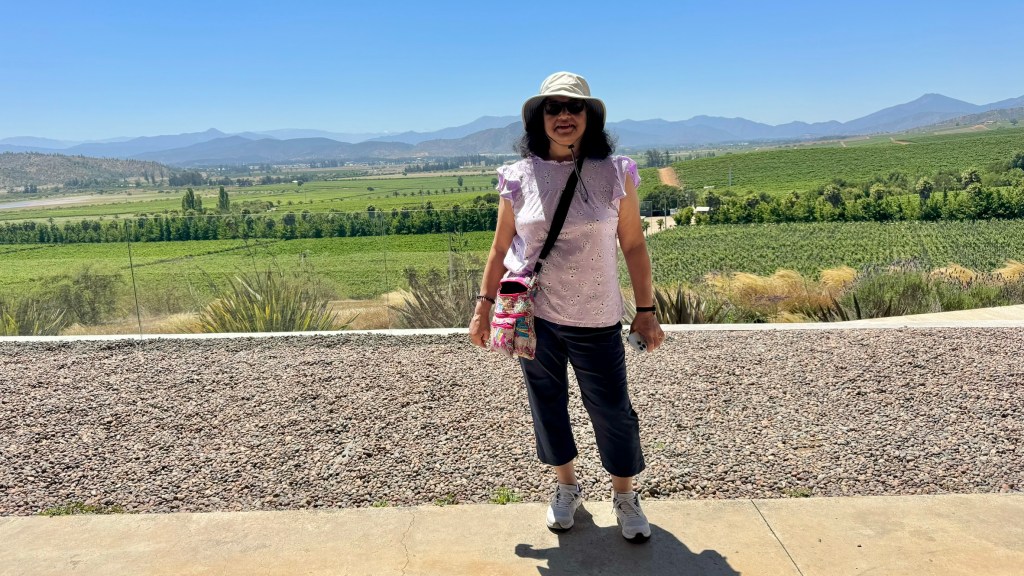
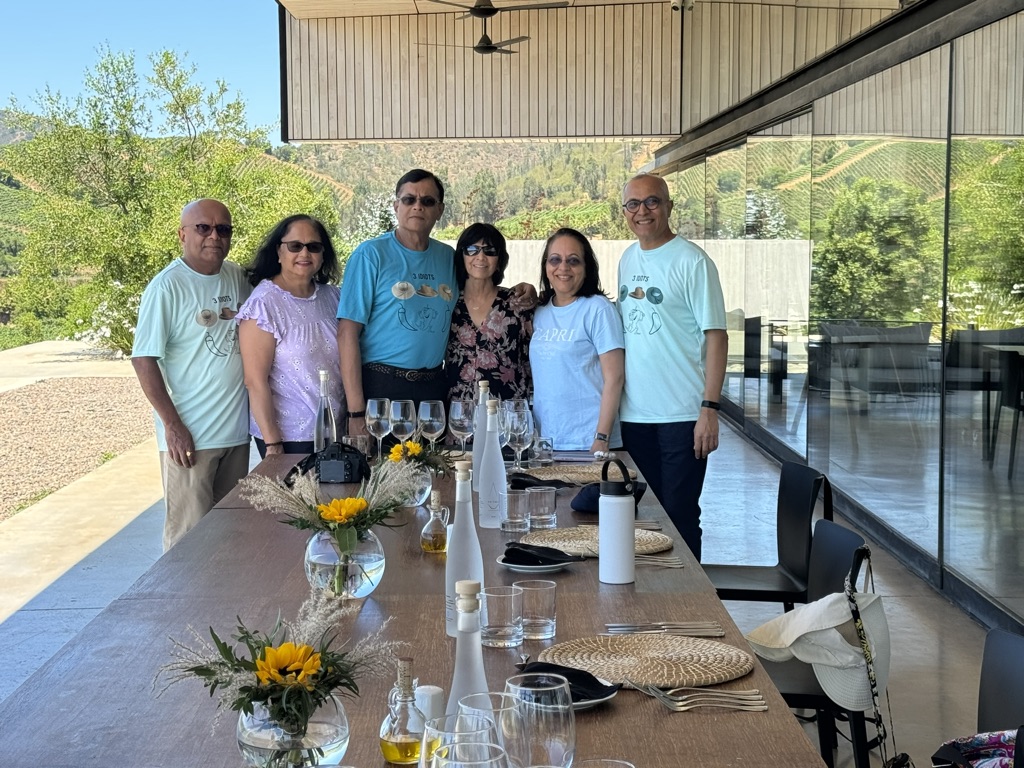
Our reservation was for a premium wine-paired lunch. We were welcomed for intimate wine and culinary experiences at the family’s tasting salon overlooking the picturesque Casablanca Valley. We had the place to ourselves. The views were spectacular! The culinary experience was exquisite, and the wines were good too.
In the early 1900s, mining engineer Carl John Kingston left his home in Michigan looking for gold in Chile. While he never found his fortune in gold, his search yielded a cattle ranch in Casablanca Valley, just 12 miles from the Pacific. Five generations later, his descendants are showing the same pioneering spirit on but instead of prospecting for gold, they’re exploring new frontiers in Chilean winemaking. And doing a pretty good job of it!!


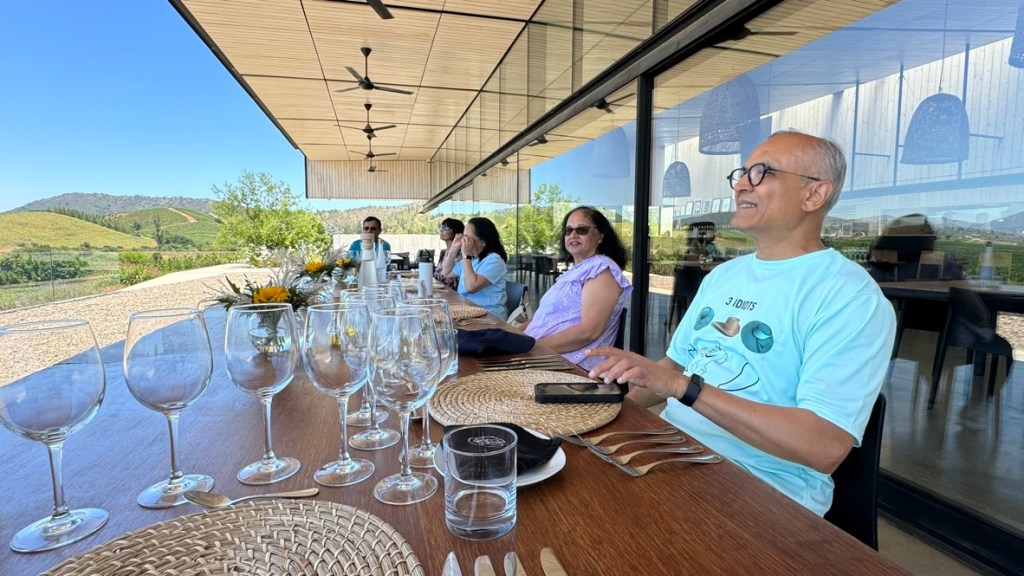

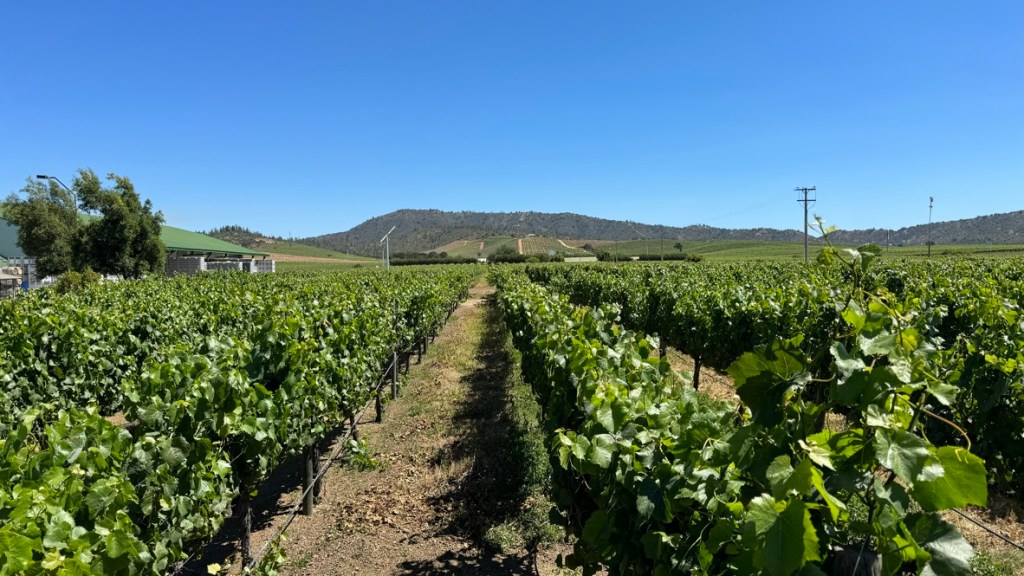
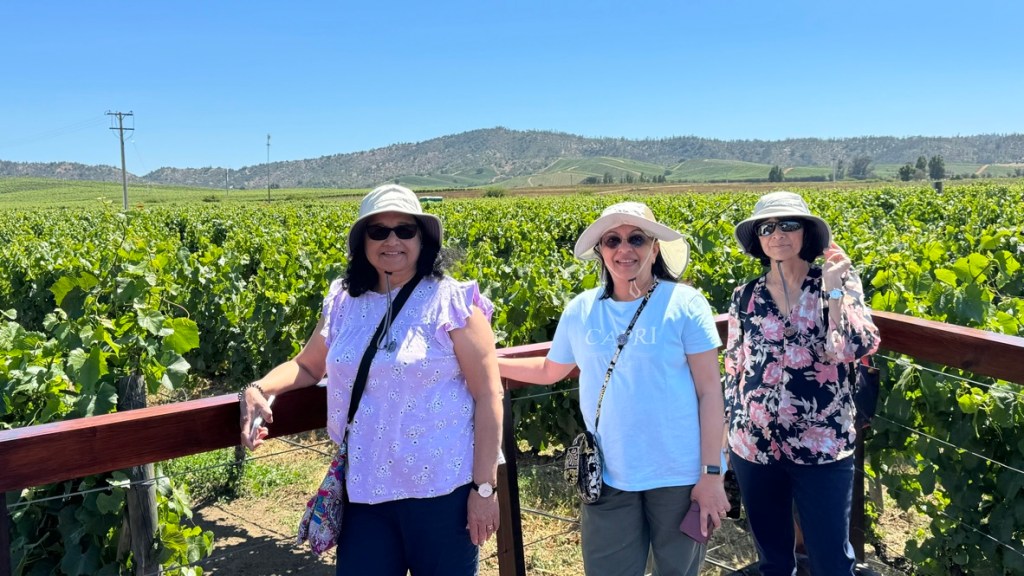
- Casas del Bosque – Offers a wide variety of wines, including some lesser-known varietals.
This locale boasts incredible views of the surrounding valley as one would expect. The wines were good, I think. Before coming here we had a a truly amazing wine-paired lunch at Kingsto Family winery, so suffice to say we cam ehre a little too “happy”. With that being so, I was in no position to rate their wines.








Back in Santiago – Jan 18th & 19th
On our return to Santiago from Calama / Atacama Desert, we were back at the same hotel, Noi Vitacura. We freshened up and headed out to the Bohemian neighbourhood of Lastarria. It is adjacent to the neighborhood of Bellas Artes and Cerro Santa Lucia, and Providencia.
Its cobblestone streets and European architecture are nestled in between the busy downtown core and another popular neighbourhood, Providencia.
With the sun overhead we took a slow, meandering stroll on the cobblestone streets, gothic buildings and rocco style balconies nestled in between in the neighbourhood.
The main street through the area is called Jose Victorino Lastarria, and is packed with artesenal cafes, bars selling local craft beer, restaurants serving local and fusion cuisine, hotels, and musicians, and drum huskers perform next to street vendors selling local crafts, souvenirs, used clothes, shoes, and more. The numerous smaller streets branching off have more shops, bars, and eye-catching street art. Close to the Alameda entrance to Lastarria, on the left side of the street, is a crowded patio adorned with fountains and coverings.
I was feeling the bohemian vibe, and walking in a self-induced trance!


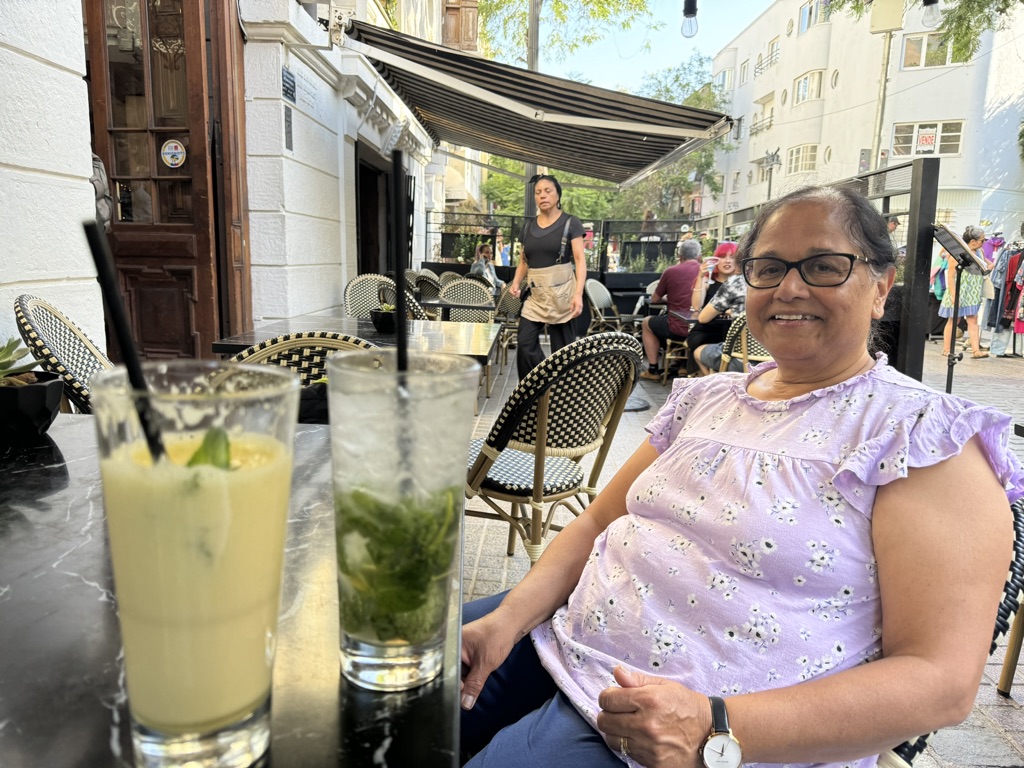

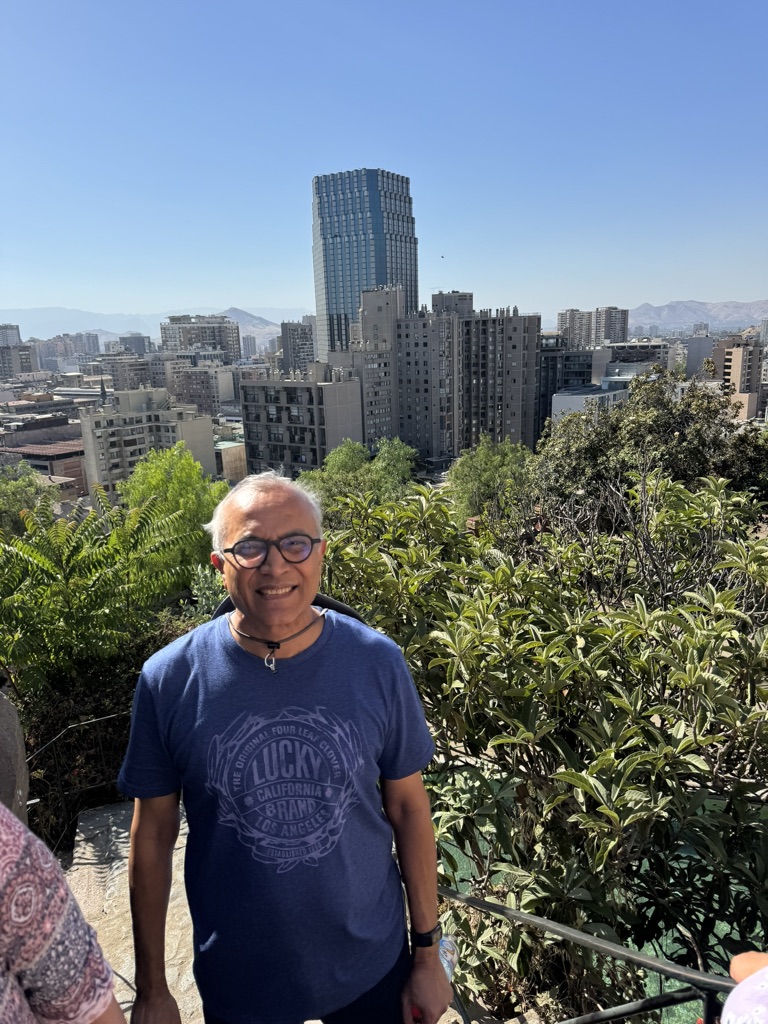
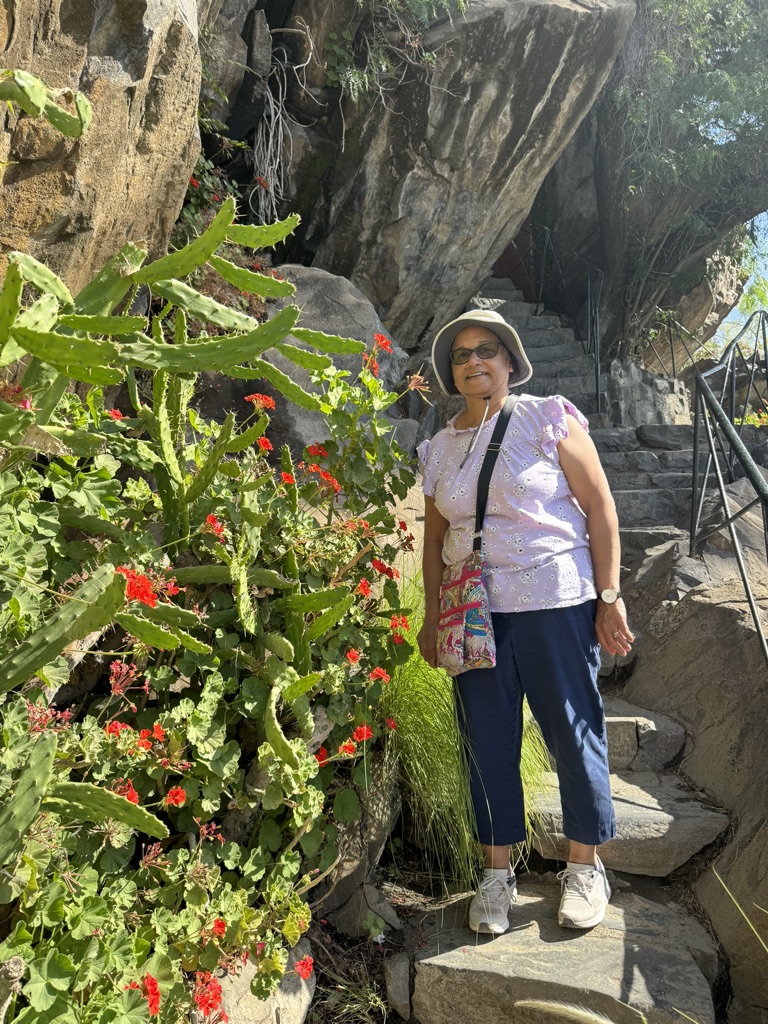
Walking distance from Lastarria is the the hill of the Cerro Santa Lucía, with the 19th century Hidalgo Castle, the hiking trails and the panoramic view of the city.





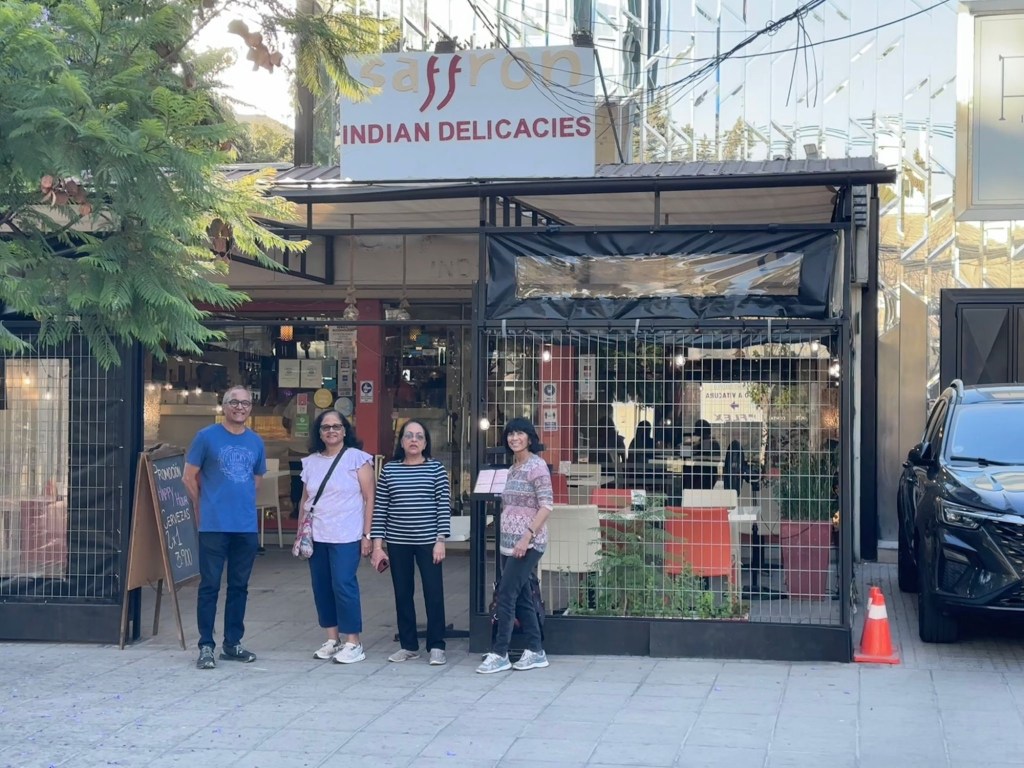
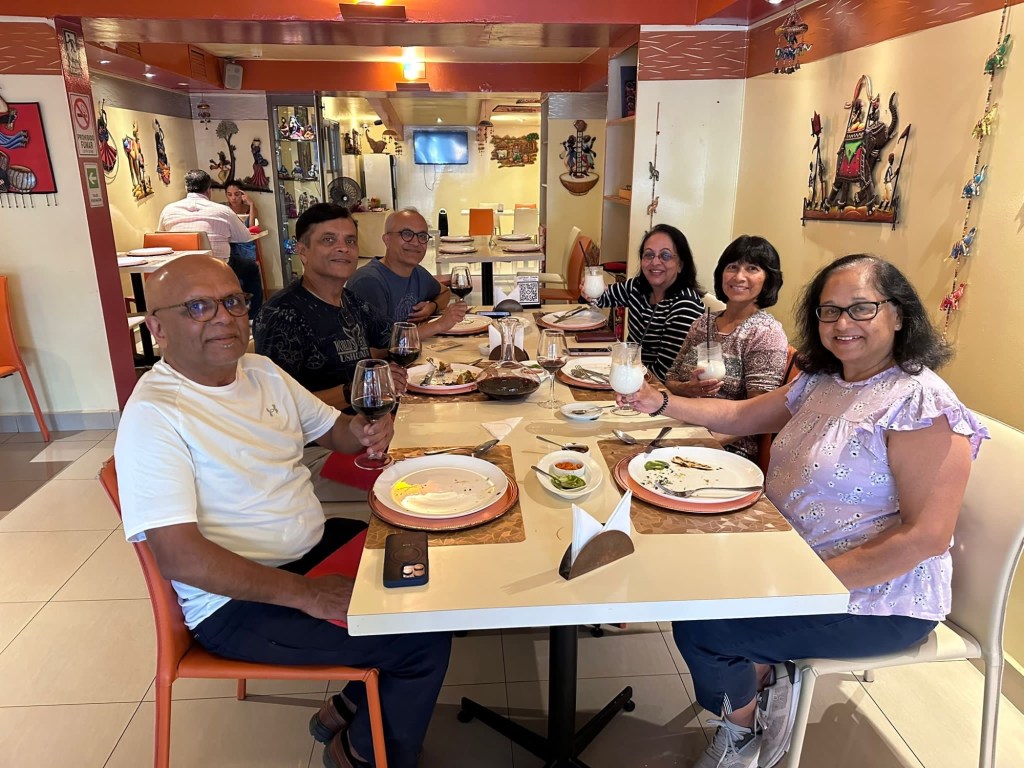
In the evening we went to an Indian restaurant, Saffron Indian Delicacies, near the hotel. Had a fabulous meal. Felt like I was home. The owner, Bharat, and his staff were endearing and very hospitable.


On our last day
Visited the National Museum of Natural History (Museo Historico Nacional) in Quinta Normal Park. The park is huge, and it houses a number of other museums including a Science & Technology Museum. And outside of the park, on Avenue Matucana is the Museum honoring Human Rights Victims.
We came back to the hotel in the afternoon, had a very nice lunch at a wine bar / restuarant, and then vegetated for a few hours before heading to the airport.
Enjoyed our time in Chile(!), but happy to be headed home after being away for 22 days!
Leave a Reply